
Last updated November 16, 2026
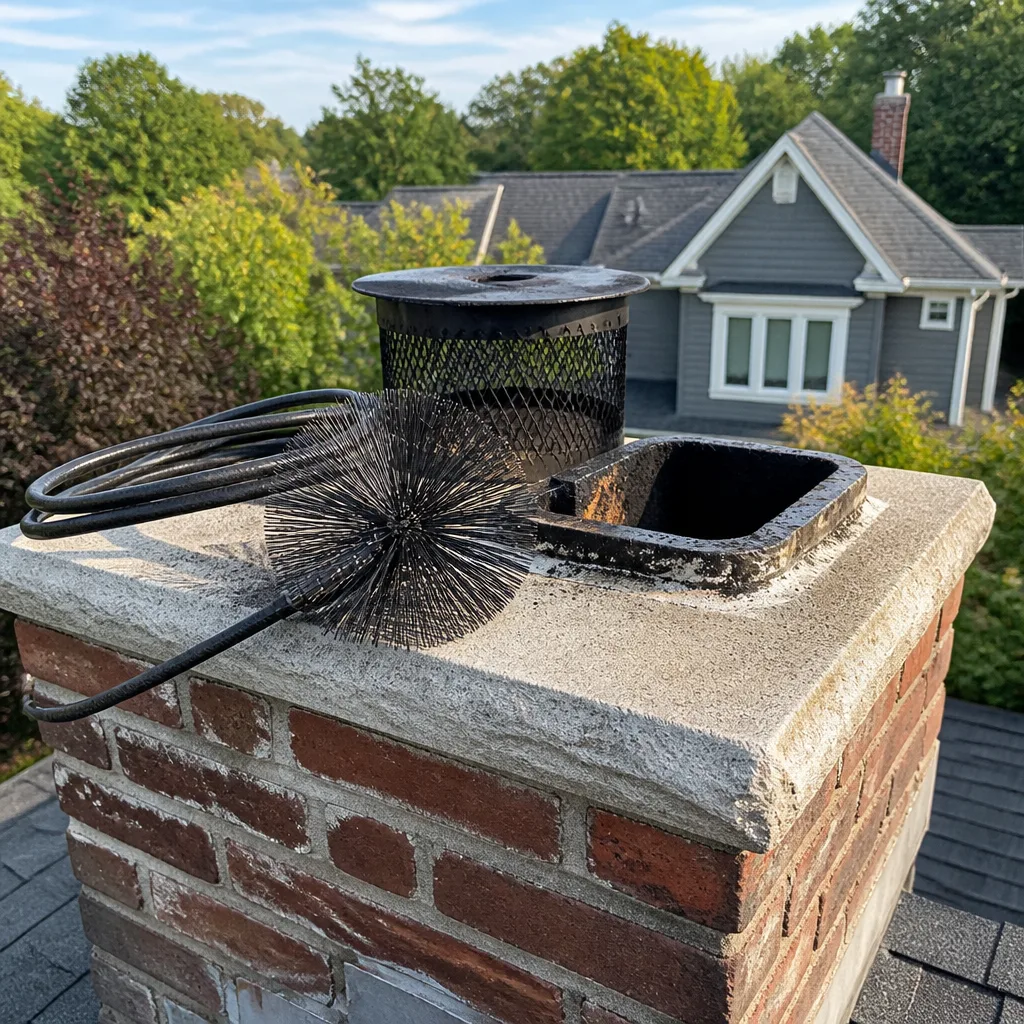 Sweep & inspection
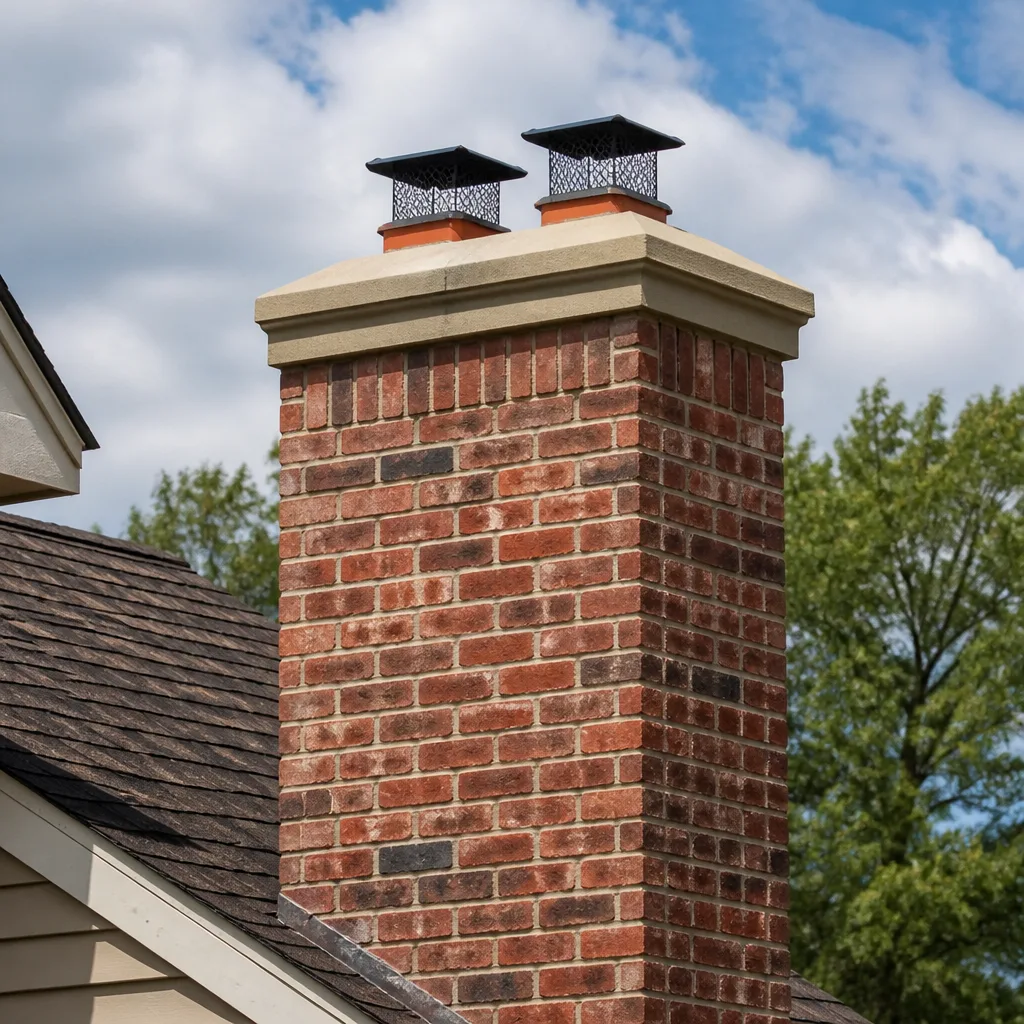 Caps & crowns
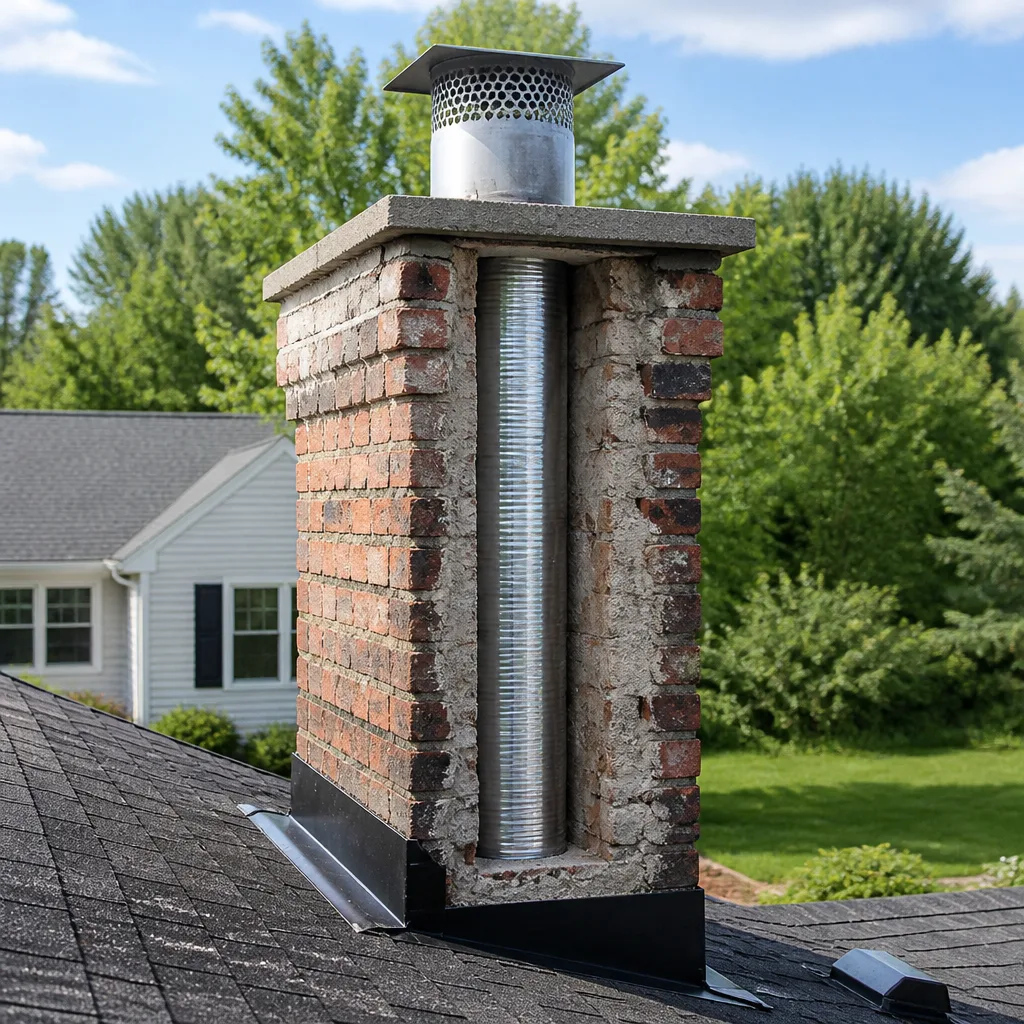 Flue relining
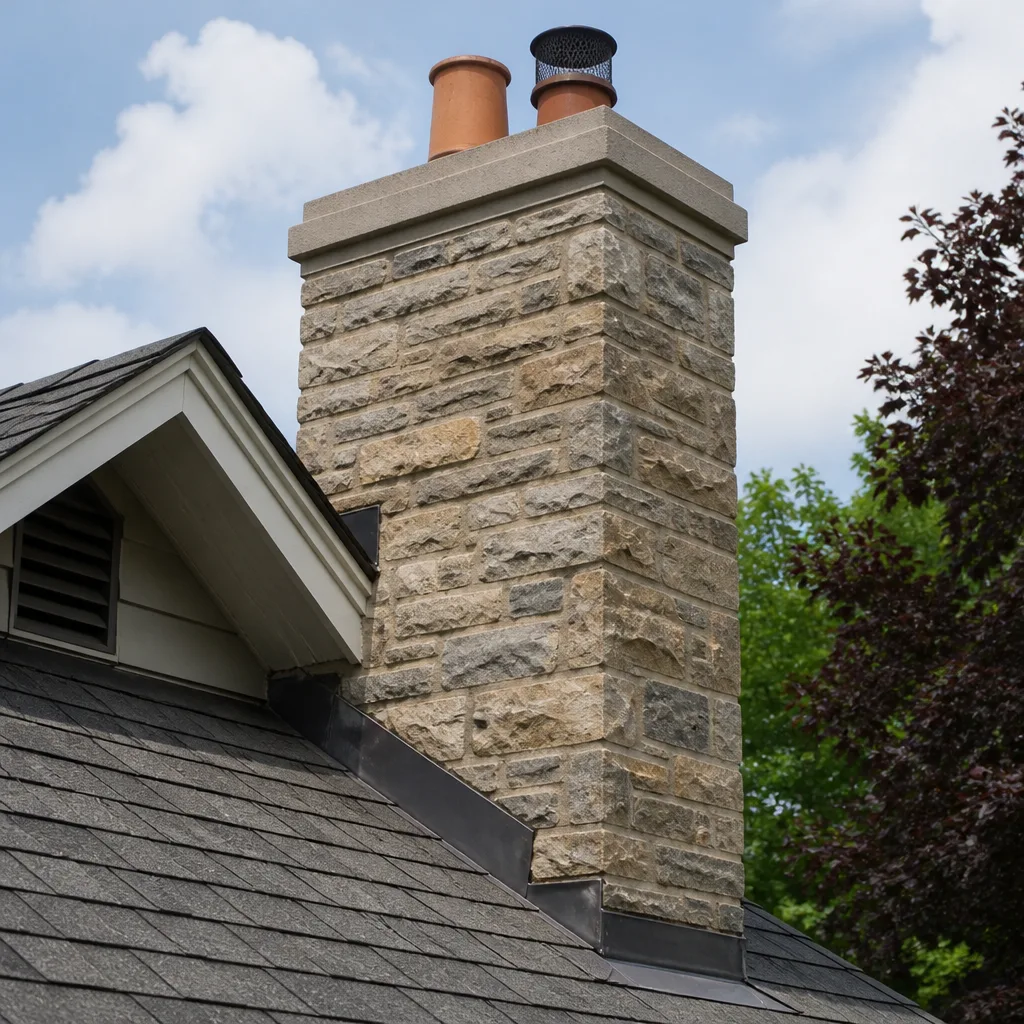 Masonry repair
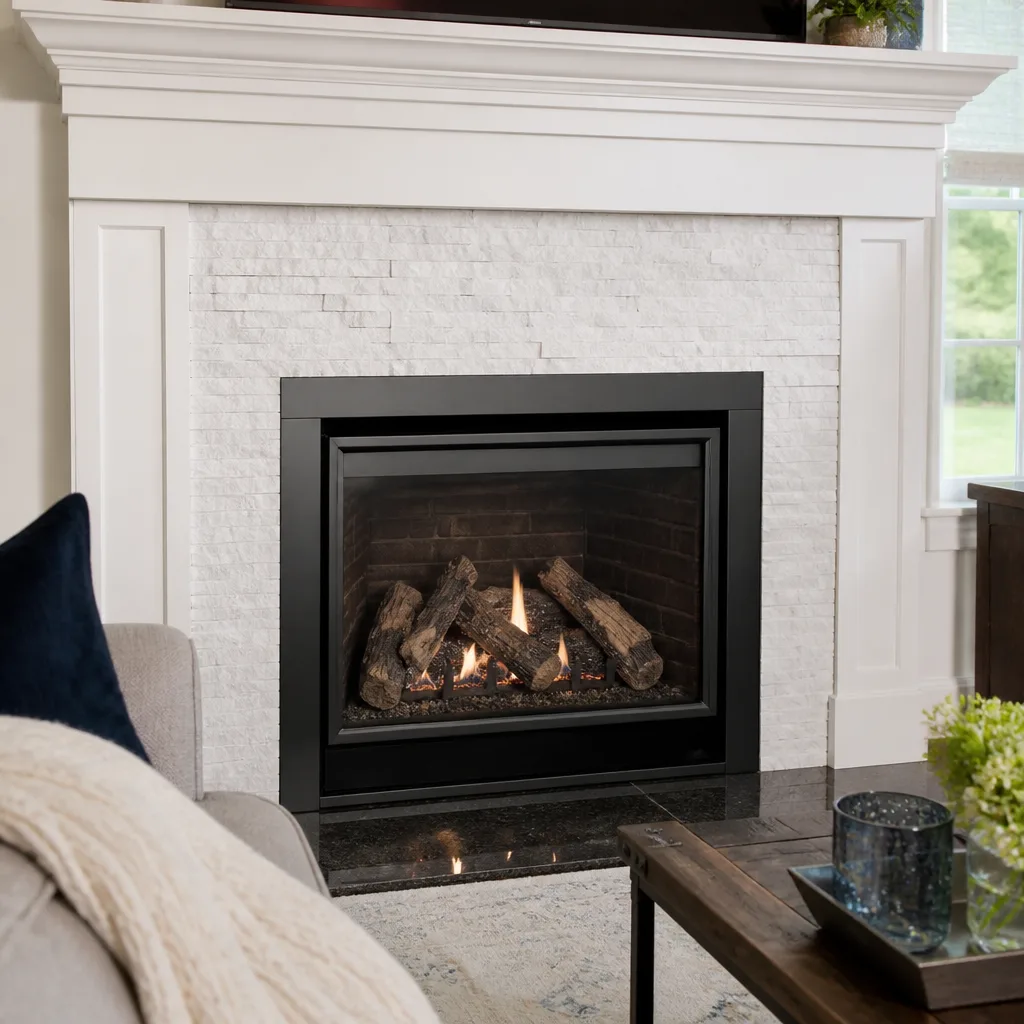 Gas fireplace service
Level 1 sweep and inspection to the NFPA 211 annual standard - flue, crown, cap, and flashing checked and photographed
Chimney sweep logs do not sweep chimneys. They loosen some creosote - which then falls where a brush and vacuum still have to collect it.
Chimney Cleaning Permits, Codes & Inspections in Gresham, OR: What You Need to Know
Here’s the part of chimney work almost nobody explains before the job starts: a routine sweep needs no paperwork at all, but a liner replacement or a firebox rebuild can quietly fall under Oregon’s residential code, and the permit that should have been pulled is often discovered years later by a buyer’s home inspector. We’ve watched this trip up Gresham homeowners at the worst possible moment, usually right before closing. This guide separates the routine service from the regulated repair, walks through how the city’s permit process actually applies to chimneys, explains what a Level II inspection is legally required for under NFPA 211, and shows you exactly what documentation to keep after every visit.
Quick Answer
Routine chimney cleaning in Gresham requires no permit. Structural chimney repairs, liner replacement, firebox rebuilds, and other work that alters the chimney’s construction generally fall under the Oregon Residential Specialty Code and may require a permit from the City of Gresham. A Level II inspection is the standard required for real estate transactions under NFPA 211, and it’s the document that protects both buyer and seller when unpermitted work surfaces.
Styles & brands we work with
- Sweep & inspection
- Caps & crowns
- Flue relining
- Masonry repair
- Gas fireplace service
Table of Contents
- Which chimney services in Gresham need a permit and which don’t
- How the Oregon Residential Specialty Code applies to chimneys
- The City of Gresham permit process, step by step
- What a Level II inspection is required for
- How unpermitted chimney work gets discovered
- The paperwork a professional sweep should leave behind
- Why Gresham’s climate and housing stock matter
- Common mistakes to avoid
Which chimney services in Gresham need a permit and which don’t
Repeat after us: cleaning is not construction. A standard chimney sweep, a visual inspection, and a cap swap on an existing flue collar are maintenance tasks, and maintenance doesn’t require a building permit in Gresham. Where homeowners get confused is the next tier up, where the work changes the chimney’s structure or its fire-rated assembly. That’s when the code book opens.
Here’s the split we explain on every estimate:
- No permit typically needed: routine sweeping, Level I and Level II inspections, replacing a chimney cap with a like-for-like unit, removing a bird nest or debris blockage, and installing a top-sealing damper where no framing changes are involved.
- May require a permit: relining a flue, rebuilding a firebox, repairing or replacing a chimney crown, chasing and repointing damaged masonry, removing a chimney below the roofline, or converting a wood-burning fireplace to a gas appliance with a new vent.
- Always worth checking: any repair that involves cutting into the chimney structure, changing the flue size, or attaching a new appliance. When in doubt, a quick call to the City of Gresham’s building department settles it before anyone swings a hammer.
The distinction matters because it maps directly onto the two categories of work in a typical chimney repair job. A flue that’s cracked and needs a HeatShield resurfacing or a DuraFlex liner is a structural intervention. A dirty flue that needs brushing is not. We tell homeowners which side of the line their job falls on before we quote it, so there are no surprises when a permit shows up on the invoice or doesn’t.
How the Oregon Residential Specialty Code applies to chimneys
Oregon doesn’t write its own chimney rules from scratch. The state adopts the Oregon Residential Specialty Code, which incorporates national standards for chimneys and vents, including NFPA 211, the standard for chimneys, fireplaces, vents, and solid fuel-burning appliances. That’s the codebook a building official opens when they look at a chimney. It covers clearance to combustibles, flue sizing, liner integrity, hearth extension, and the requirements for factory-built versus masonry chimneys.
What that means for a Gresham homeowner is fairly concrete. If a repair touches any of these, the code has an opinion:
- Clearance to combustibles. A chimney must maintain its required distance from wood framing, and a repair that changes the flue’s position or insulation can violate that clearance.
- Liner integrity. A code-compliant flue needs a continuous liner rated for the appliance. A cracked clay tile or a rusted-out factory liner isn’t just inefficient, it’s out of compliance.
- Flue sizing. A new appliance has to match the flue’s capacity, and an oversized flue on a modern insert causes drafting problems the code addresses.
- Crown and cap. The crown sheds water away from the chimney, and a cap keeps rain and animals out. Both are code-relevant components, not decoration.
- Hearth and clearance to the firebox opening. A firebox rebuild that changes the opening dimensions can put the hearth out of compliance with the required clearance to combustible flooring.
This is where a sweep-only company and a full-service chimney contractor diverge. When we open a smoke chamber and find a HeatShield candidate instead of a full reline, we’re making a code-informed call about whether resurfacing restores compliance or whether the flue needs a new DuraFlex liner system. The code drives the recommendation, not the upsell.
The City of Gresham permit process, step by step
Permits for chimney work in Gresham go through the city’s building department, the same office that handles decks, additions, and reroofs. The process isn’t complicated, but it does have a sequence, and skipping a step is what creates problems later. Here’s the general shape of it for a permitted chimney repair or liner replacement:
- Determine whether the scope requires a permit. A capped, like-for-like replacement usually doesn’t. A reline, rebuild, or structural repair usually does. When the answer isn’t obvious, call the building department and describe the work in plain language.
- Submit a permit application with a scope of work. The application describes what’s being done, the appliance being served, and the materials being used. A professional contractor prepares this; a homeowner can file it themselves, but the details matter and a vague scope invites questions.
- Schedule the inspection. Most permitted chimney work gets inspected at rough-in, before the liner or masonry is closed up, and again at final. The inspector wants to see clearance to combustibles, liner connections, and the crown and cap detail.
- Keep the final inspection record. The signed-off permit and inspection card are the documents that prove the work was done to code. Store them with your home’s records, not in a drawer you’ll forget by the time you sell.
For homeowners in Gresham, the practical takeaway is that permitted work leaves a paper trail the city can verify, and that paper trail is what a buyer’s inspector finds when they pull the permit history on your address. If you’re planning a repair and want to know whether it’s permit-triggering before you commit, we’ll walk through the scope with you. Our chimney sweep visit is often where the permit question first comes up, because the camera inspection reveals what the last repair actually did.
What a Level II inspection is required for
A Level II inspection is a more thorough look than the annual visual check. It includes the accessible parts of the chimney, the firebox, the smoke chamber, the flue, the cap, and the appliance connection, and it typically includes a camera scan of the flue interior. Under NFPA 211, a Level II inspection is required when a property changes hands, when an appliance is changed or replaced, after a chimney fire or other event, and after an earthquake or other structural event that could have shifted the chimney.
That real estate clause is the one that matters most in a place like Gresham, where older homes in the downtown core and the neighborhoods around Main Street change hands often. A buyer’s lender and inspector will want documentation that the chimney is safe and sound. If the seller can’t produce it, the inspection becomes a negotiating chip or a deal-delayer.
What a Level II should give you:
- A written report describing the chimney’s condition, component by component.
- Photos or video of the flue interior, so you can see the cracks, gaps, or heavy glaze for yourself.
- A clear statement of what’s deficient, what’s cosmetic, and what can safely wait.
- Recommendations that name the repair, not just a warning that something needs attention.
If you’re selling a Gresham home and can’t remember the last time the chimney was inspected, getting a Level II done before you list is far cheaper than negotiating one after an offer is on the table. Our estimates for the inspection itself are free, and the report is yours to keep.
How unpermitted chimney work gets discovered
Unpermitted chimney work usually sleeps quietly until one of three events wakes it up. The first is a home inspection during a sale. The second is a Level II inspection done for insurance or a new appliance. The third is an actual problem, like a smoke spillage or a draft failure, that sends the homeowner looking for a cause. In our experience, the sale is the most common.
What the inspector finds depends on what wasn’t permitted. A reline that was never inspected may have a liner that isn’t properly connected to the appliance collar, or a flue that violates clearance. A firebox rebuild without a permit may have altered the opening in a way that puts the hearth out of compliance. A crown replaced by a well-meaning handyman may be sloped the wrong way, trapping water in the masonry instead of shedding it. None of these are visible to the homeowner from the living room, which is exactly why they get missed.
The resolution is usually a retroactive permit combined with whatever correction the current code requires. That can mean re-doing part of the work, adding a proper liner or cap, or correcting clearances. The cost to resolve is typically higher than the original permit would have been, because you’re now paying for both the correction and the inspection process. That’s the argument for doing permitted chimney work in Gresham the first time: the paper trail is cheap, and the retrofit is not.
The paperwork a professional sweep should leave behind
A sweep visit should produce a record, not just a cleaned flue. The service record is what proves the maintenance happened, what condition the chimney was in on the date of service, and what was recommended. It’s the same document that carries weight at a home sale, with an insurer, or in a conversation with a contractor about next steps. If your sweep leaves nothing behind, you don’t have a service record, you have a memory.
Here’s what we think a professional visit should produce:
- Date and scope of service. What was actually cleaned and inspected, on what date.
- Pre-service condition notes. Soot and creosote levels, blockages found, and any glazed areas in the flue.
- Camera inspection results. With photos or video where a defect is found, so you’re not taking a verbal claim on faith.
- Clearance and component check. Cap, crown, flashing, damper, and appliance connection, each noted as pass or deficient.
- Recommendations ranked by urgency. What needs attention now, what can wait, and what simply warrants watching through another heating season.
We tie the repair side to the same documentation. When we recommend a Gelco or Olympia Chimney cap, a HeatShield resurfacing, or a DuraFlex liner, the inspection photos are the reason, and the service record shows the recommendation was made with evidence. Keep that paperwork with the rest of your home maintenance file. It’s what a future buyer will thank you for.
Why Gresham’s climate and housing stock matter
Gresham sits at the wet end of the Willamette Valley, where the heating season runs long enough that a lot of homeowners burn far more wood than they expect. The same wet conditions that make the region green also work on chimneys: rain driven against a cracked crown, moisture absorbed into masonry, and a flue that stays damp longer than it would in a drier climate. Those conditions age a chimney faster and make a sound cap and a properly sloped crown more than cosmetic concerns.
The local housing stock adds its own wrinkles. Older homes in Gresham often have masonry chimneys built to standards that have since been updated, and clay tile liners that were never designed for a modern high-efficiency insert. When a homeowner adds an insert without checking the flue, the result can be a chimney that’s out of compliance and underperforming. A wood stove or gas insert is a common upgrade here, and each one changes the venting picture.
What we watch for in Gresham chimneys:
- Rain-driven moisture damage at the crown and flashing, which is far more common here than in drier parts of the state.
- Undersized or unlined flues on older masonry chimneys serving upgraded appliances.
- Improperly installed caps that don’t match the flue’s actual dimensions.
- Creosote buildup from a long heating season and slow smoldering fires, which is exactly the kind of deposit a camera inspection catches.
None of this is a reason to panic. It’s a reason to have the chimney inspected on a regular schedule and to know what a proper Gresham chimney evaluation looks like. You can get a realistic picture of your own chimney with a free estimate from us.
Common Mistakes to Avoid
- Assuming every repair needs a permit. Plenty don’t, and pulling one unnecessarily just adds time and cost. Ask the city before you assume either way.
- Assuming no repair needs a permit. Relining a flue, rebuilding a firebox, and replacing a crown are the usual offenders. A cap swap is not a reline, and a handyman invoice doesn’t make it one.
- Skipping the Level II before listing a home. Waiting for the buyer’s inspection to surface a defect puts you in a weaker negotiating position than getting ahead of it.
- Hiring a sweep who leaves no record. A verbal “you’re all set” is not documentation, and it won’t help you at a home sale or with an insurer.
- Letting a general handyman do chimney repairs. Chimney work touches clearances, liners, and fire-rated assemblies, and it’s a specialty for good reason. The codes don’t care that the price was low.
- Treating a cap replacement as a liner repair. A new cap doesn’t fix a cracked flue, and a HeatShield resurfacing isn’t a substitute for a cap. They solve different problems.
- Ignoring the smoke chamber. It’s a notoriously overlooked component, and it’s where a lot of performance problems hide until a camera inspection finds them.
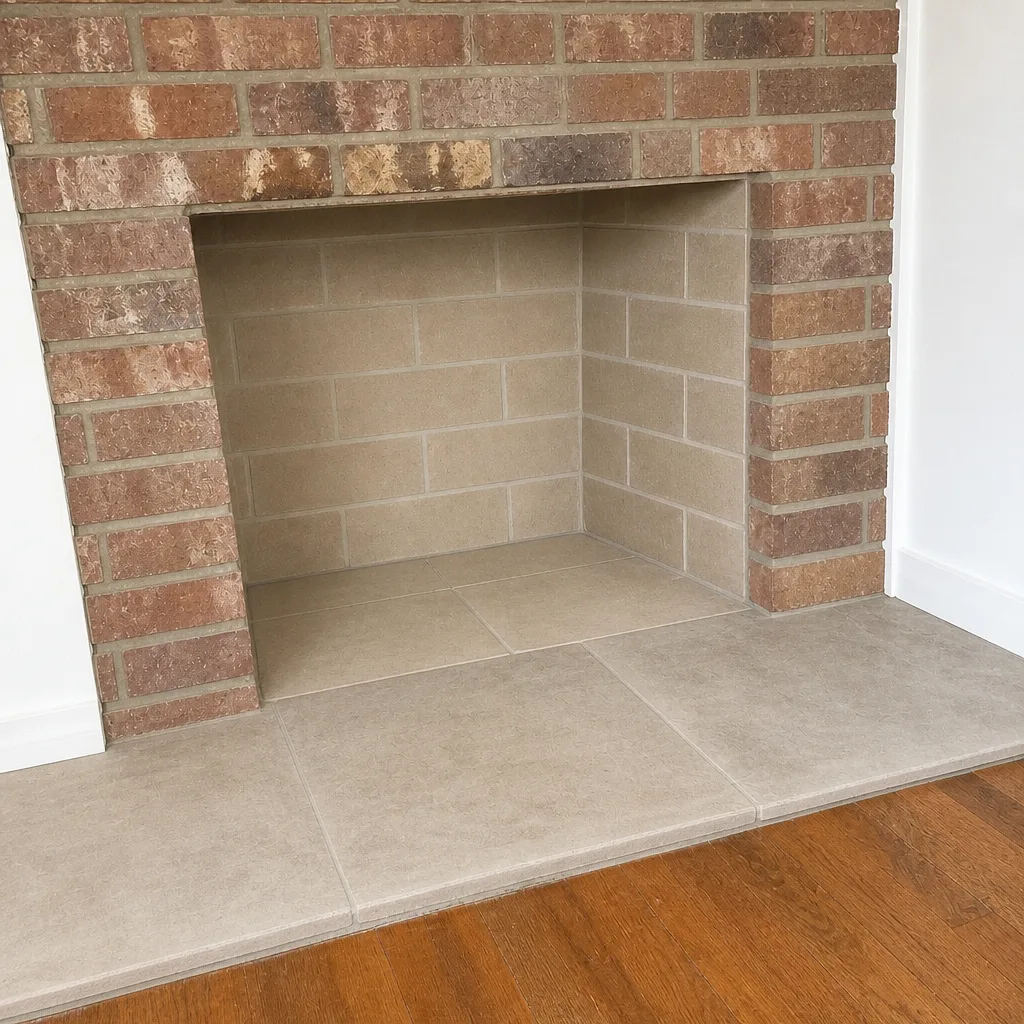
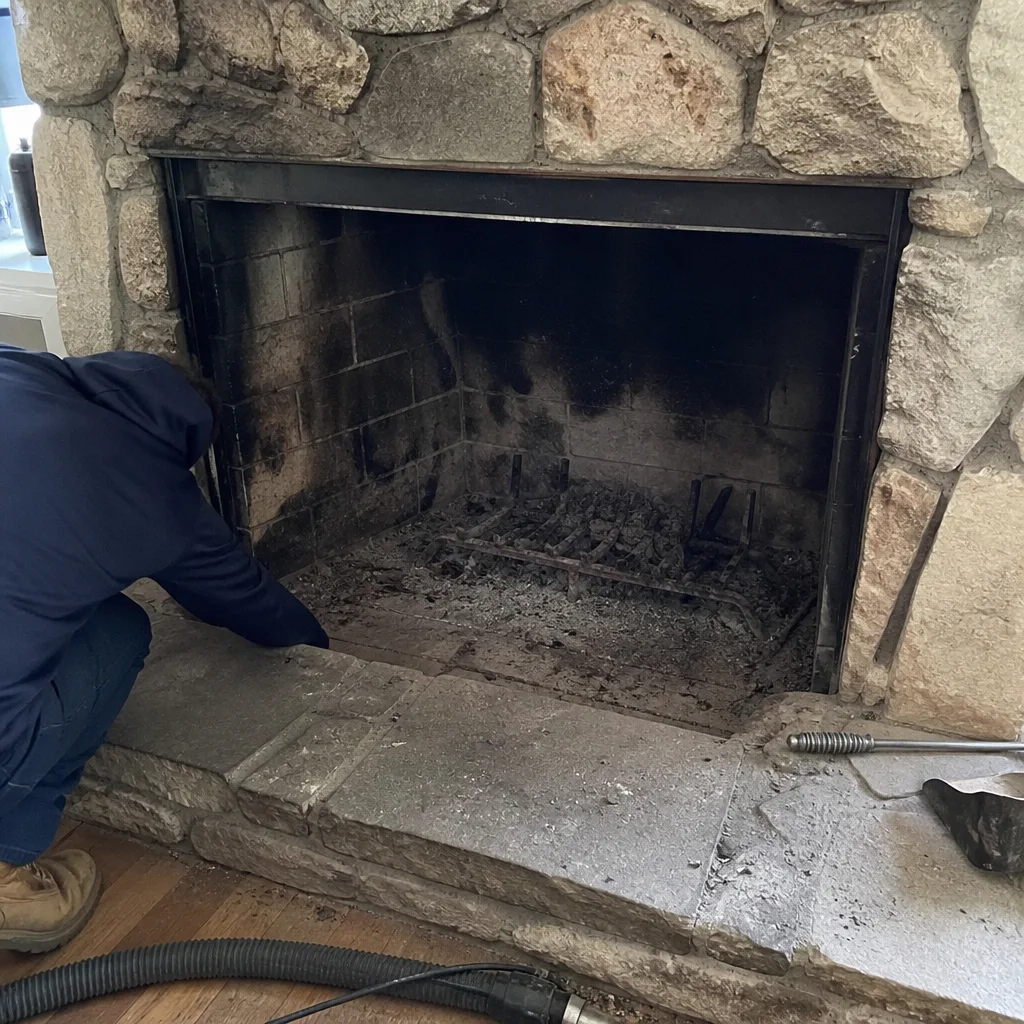
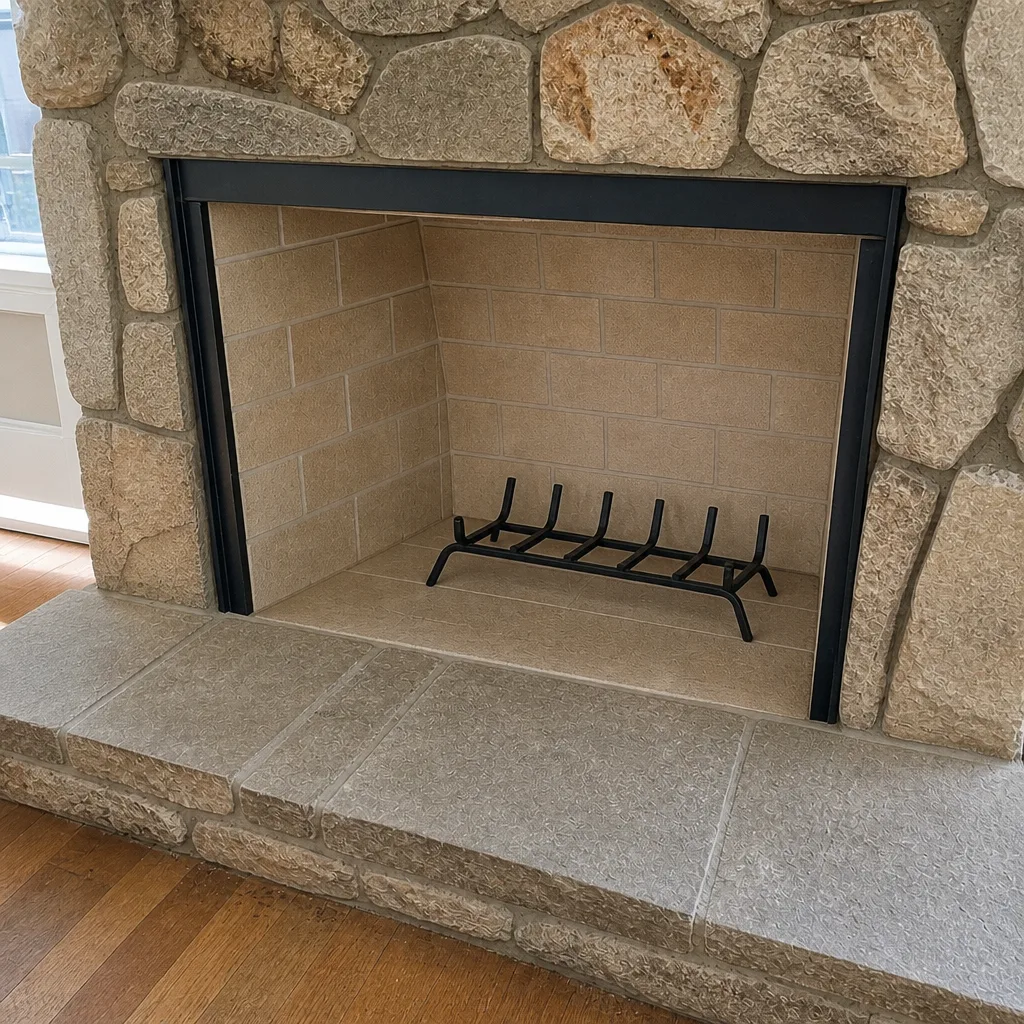
See the difference
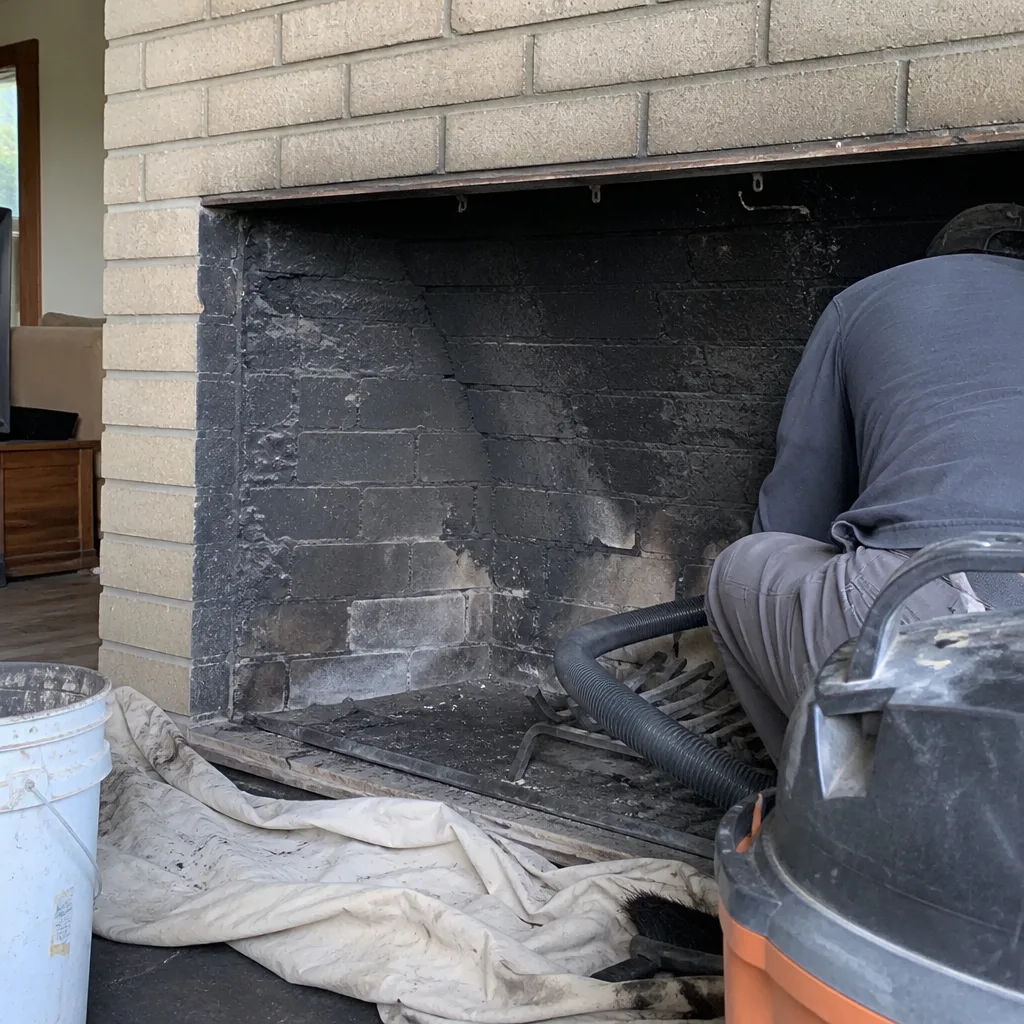 Before
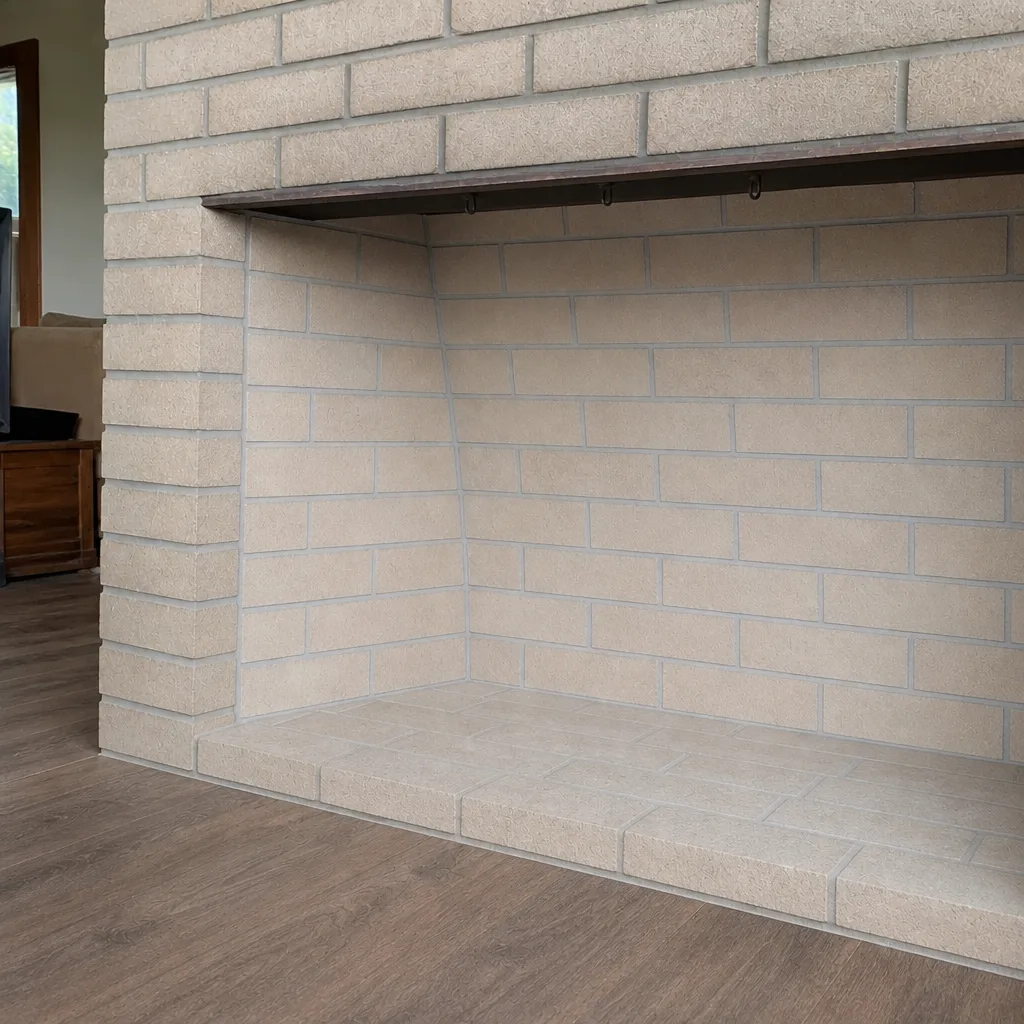 After
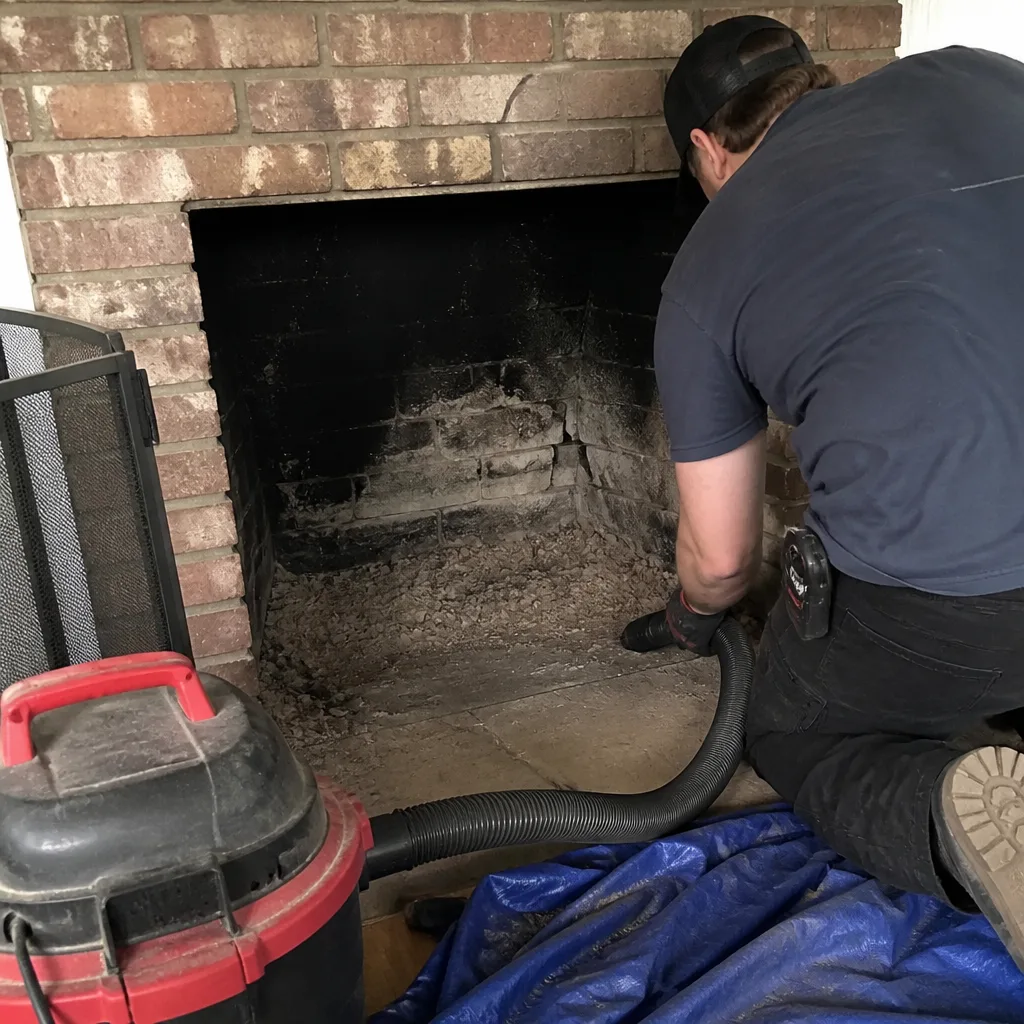 Before
 After
 Before
 After
When to Call a Professional
Call a chimney professional when you’re buying or selling a Gresham home and the chimney’s history is unknown, when you’ve added a wood stove or gas insert and need the flue checked against the new appliance, or when a repair involves the liner, firebox, or crown and you want to know whether a permit applies. Call us when you smell smoke in the house on a cold start, when a sweep recommends thousands of dollars of liner work and you want a second set of eyes, or when a home inspection flagged something and you need a clear plan for what actually has to be fixed. Some of that work can wait, and we’ll say so. Gresham Chimney Sweep offers free estimates in Gresham. Call (833) 538-5519. We answer 24/7. Fast dispatch from 7am to 7pm, Sunday through Friday.
Frequently Asked Questions
No. Routine chimney cleaning in Gresham doesn’t require a permit, because sweeping is maintenance, not construction. A permit generally becomes relevant when the work alters the chimney’s structure, such as relining a flue, rebuilding a firebox, or replacing a crown. Call (833) 538-5519 for an exact quote – estimates are free.
It usually does, because relining a flue changes the chimney’s fire-rated assembly and falls under the Oregon Residential Specialty Code. The City of Gresham’s building department is the office to confirm with, and it’s worth checking before the liner goes in rather than after. Call (833) 538-5519 for an exact quote – estimates are free.
Under NFPA 211, a Level II inspection is required when a property changes hands, when an appliance is replaced or added, after a chimney fire, and after a structural event like an earthquake. It includes a camera scan of the flue and a written report of the chimney’s condition. Call (833) 538-5519 for an exact quote – estimates are free.
There’s no single figure, because the cost to resolve depends on what the correction requires: a proper liner, a rebuilt crown, corrected clearances, or a combination. The consistent pattern is that a retroactive permit plus the correction costs more than the original permit would have. Call (833) 538-5519 for an exact quote – estimates are free.
You should get a dated service record showing what was cleaned and inspected, the pre-service condition of the flue, camera inspection results with photos of any defects, a component check of the cap, crown, damper, and appliance connection, and recommendations ranked by urgency. That record is what serves as proof of maintenance at a home sale. Call (833) 538-5519 for an exact quote – estimates are free.
You can, but the buyer’s inspection will likely surface it, and it typically becomes a negotiating item or a condition of the sale. Getting a Level II inspection and resolving any permit issues before listing puts you in a much stronger position. Call (833) 538-5519 for an exact quote – estimates are free.
The Bottom Line
The core rule is simple. Cleaning and inspecting your chimney is routine and permit-free. Repairing its structure – relining, rebuilding the firebox, replacing the crown – is code-regulated work that may require a permit from the City of Gresham, and the paper trail from that permit is what protects you when you sell. Get a Level II inspection before a home changes hands, keep the service record from every sweep, and don’t let a handyman take on work that touches the chimney’s fire-rated assembly. If a repair recommendation sounds expensive, ask for the photos. You should see the evidence yourself before you commit to anything. We’re happy to be the second opinion. Call Gresham Chimney Sweep at (833) 538-5519 for a free estimate. We answer 24/7. Fast dispatch from 7am to 7pm, Sunday through Friday.
Written by the team at Gresham Chimney Sweep.