
Last updated November 16, 2026
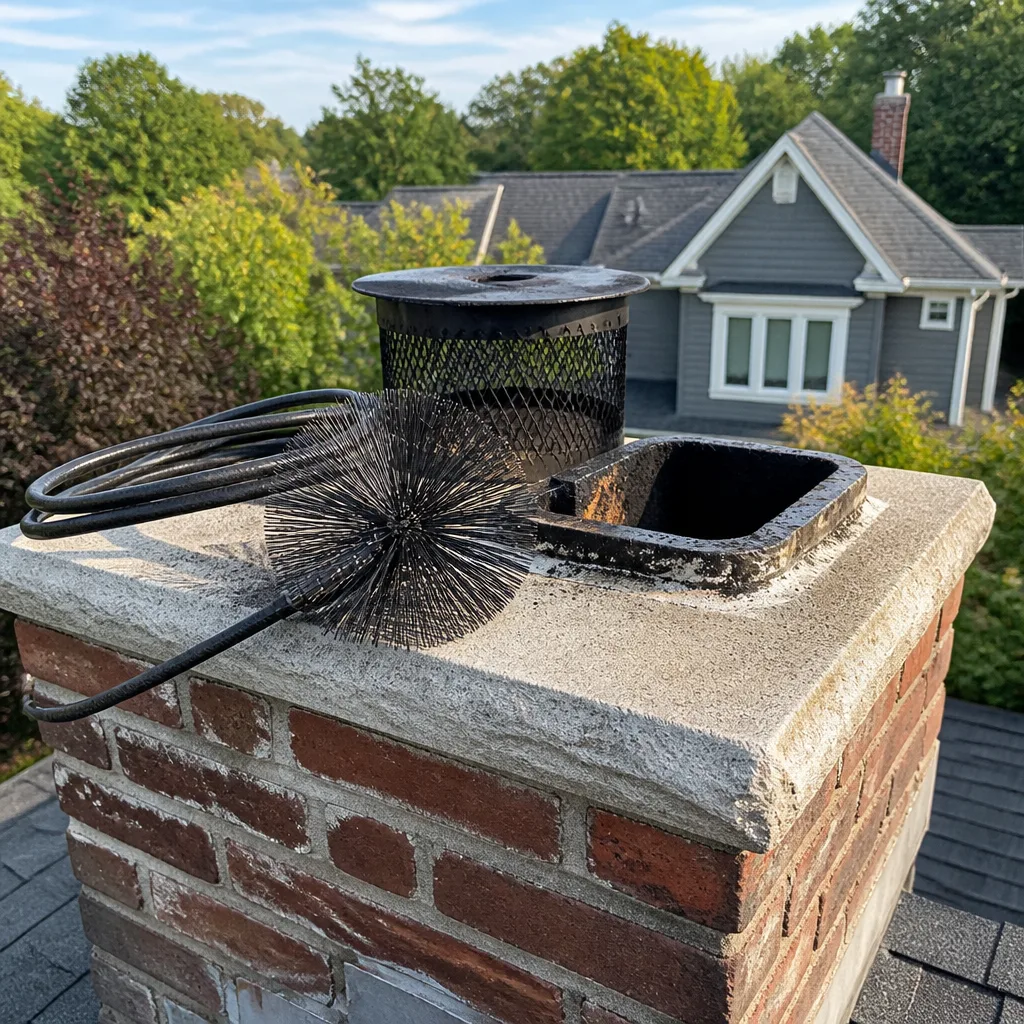 Sweep & inspection
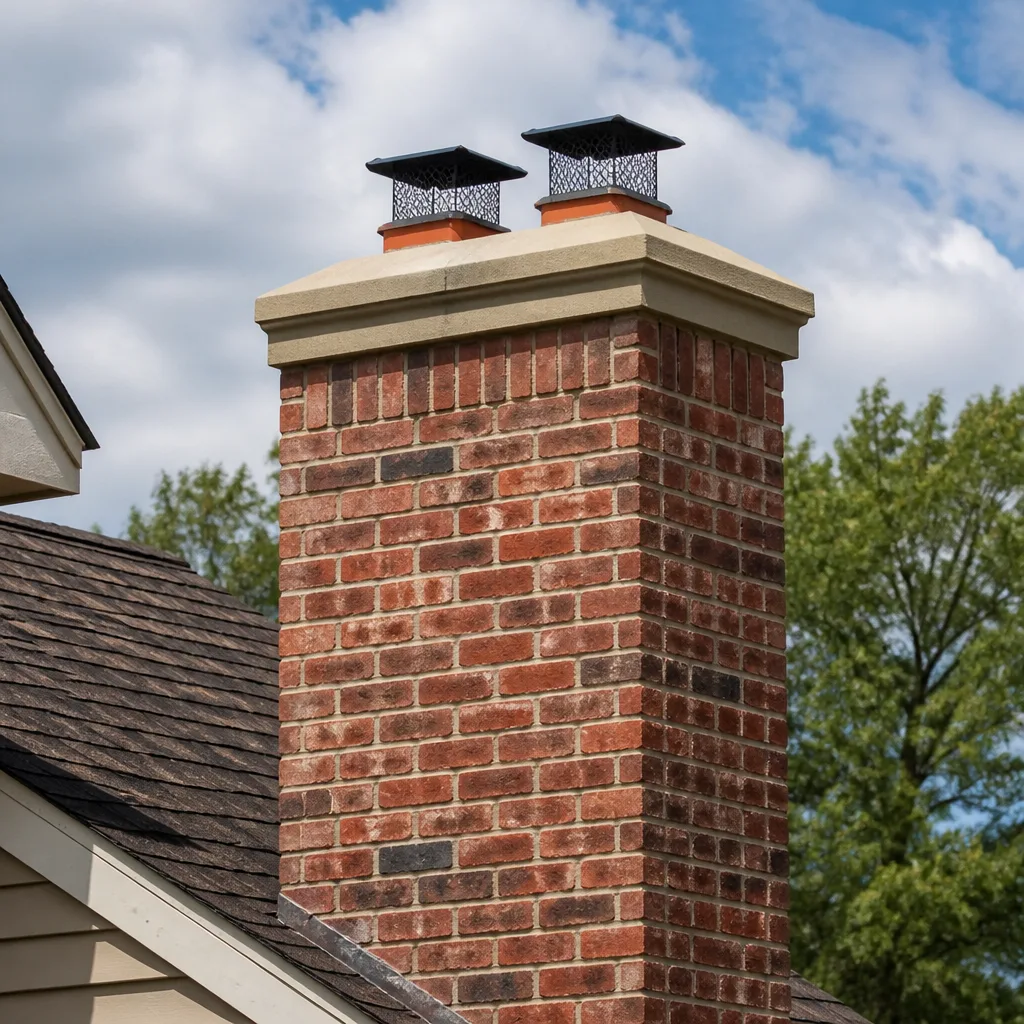 Caps & crowns
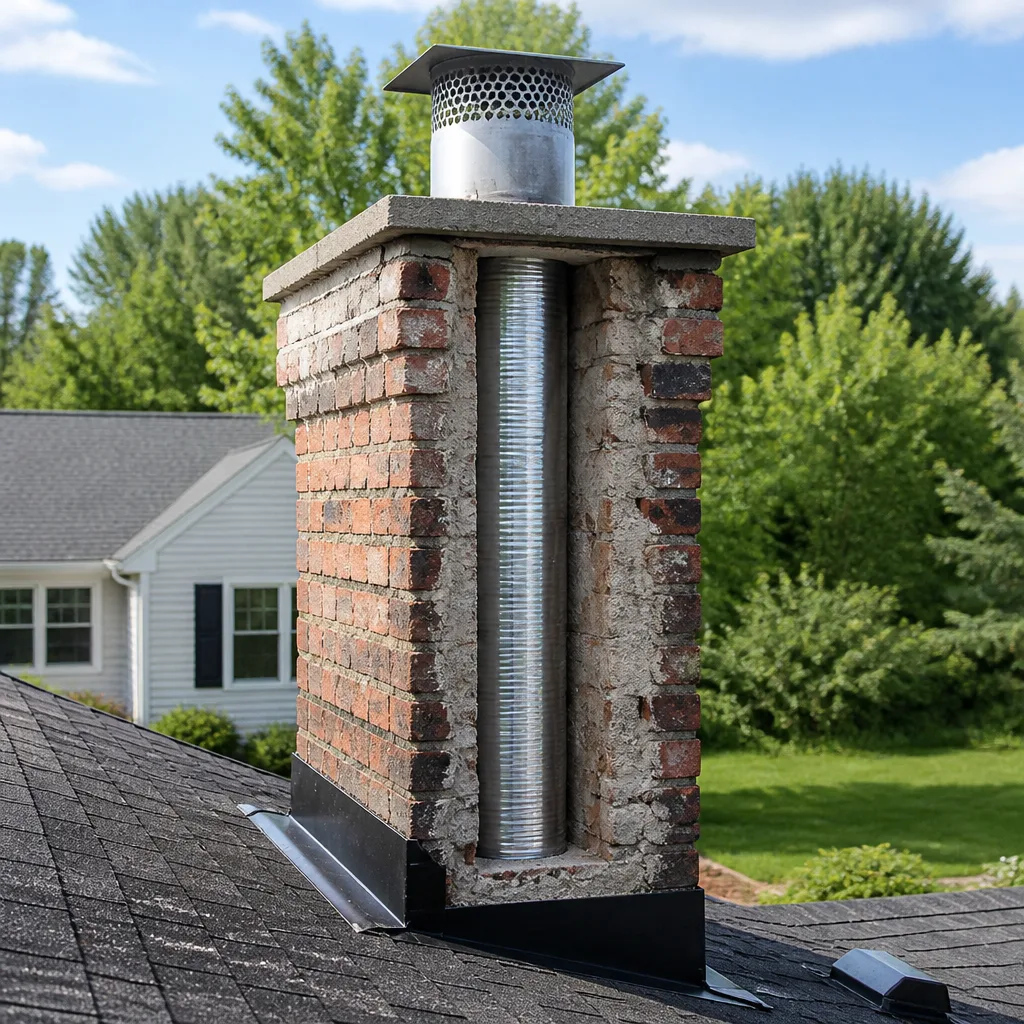 Flue relining
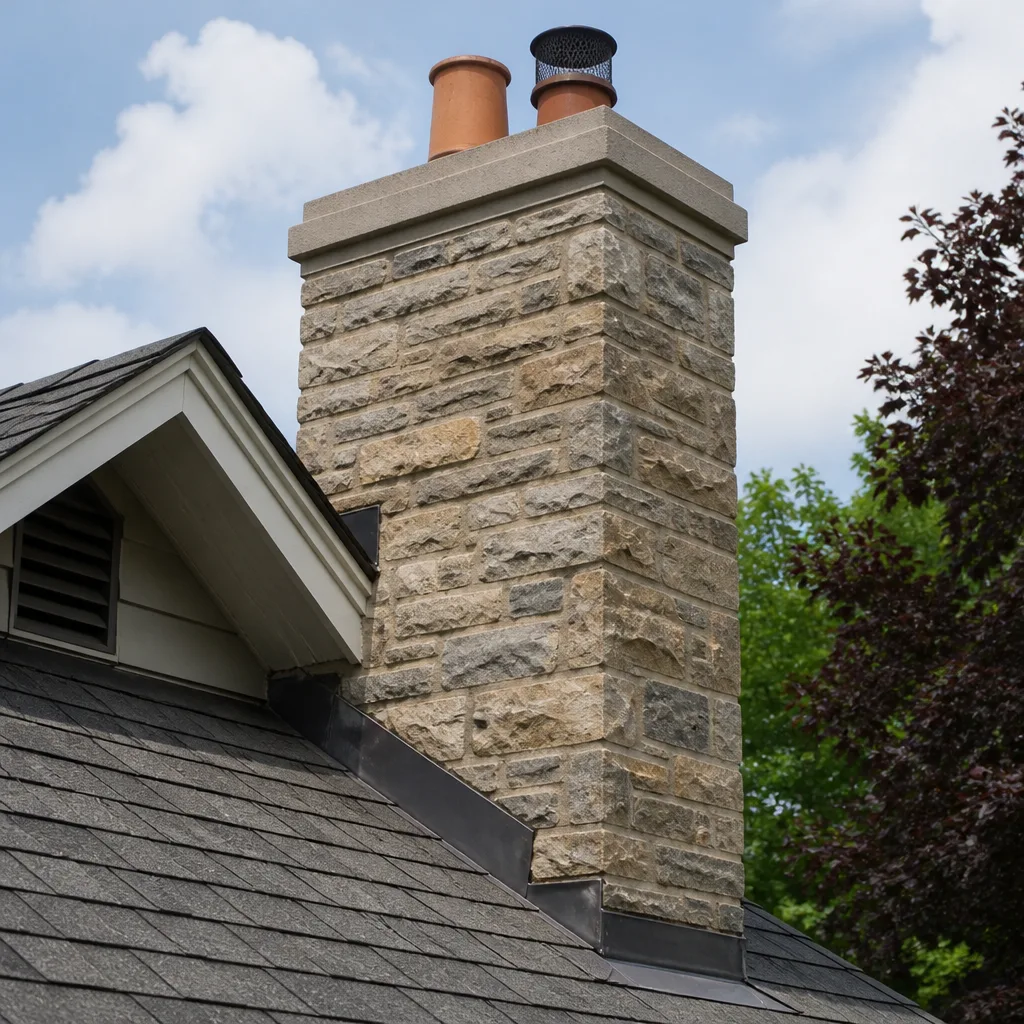 Masonry repair
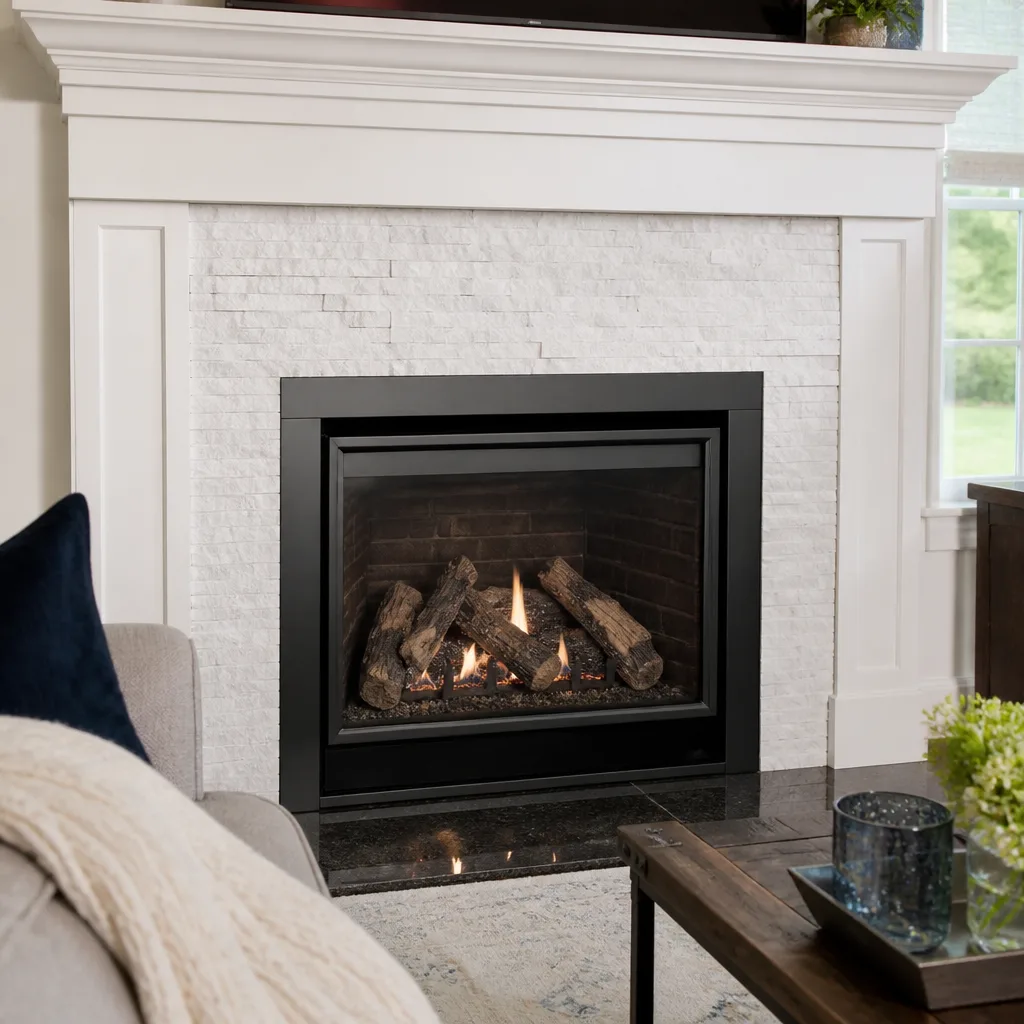 Gas fireplace service
Level 1 sweep and inspection to the NFPA 211 annual standard - flue, crown, cap, and flashing checked and photographed
Chimney sweep logs do not sweep chimneys. They loosen some creosote - which then falls where a brush and vacuum still have to collect it.
Chimney Sweep Maintenance Schedule: What to Do and When
A household burning four cords of wood per winter needs a mid-season check, not just an annual sweep. A gas fireplace lit a handful of times a year doesn’t. Hand both households the same calendar schedule and you’re wrong for both of them. The “once a year” rule gets repeated everywhere, and it’s close enough that most people never question it. But it treats a heavy wood burner in the wind-exposed neighborhoods above Gresham and a decorative gas insert in a downtown condo as identical systems. They aren’t. This guide breaks the schedule down by fuel type, burn frequency, and appliance, then adds the timing and record-keeping that actually matter for homes in Gresham. You’ll leave knowing exactly what to do, when, and what you can safely skip.
Quick Answer
The right chimney maintenance schedule depends on what you burn and how often. Light use (under one cord of wood per season, or a gas fireplace used occasionally) generally needs an annual inspection with a sweep only when the inspection shows buildup. Moderate use (one to three cords) needs an annual sweep plus an inspection. Heavy use (four or more cords) usually needs a mid-season check on top of the annual service. Gas and pellet appliances follow different rules than wood, and every chimney should be inspected once a year regardless of fuel type.
Styles & brands we work with
- Sweep & inspection
- Caps & crowns
- Flue relining
- Masonry repair
- Gas fireplace service
Table of Contents
- Why the Standard “Once a Year” Rule Falls Short
- Your Schedule by Usage Tier: Light, Moderate, and Heavy
- Seasonal Timing in Gresham: Why Before October Matters
- Wood, Gas, and Pellet: Three Different Maintenance Schedules
- What You Can Check Between Professional Visits
- Why a Maintenance Log Protects You
- A Month-by-Month Maintenance Calendar
- When the Schedule Turns Into Repair Work
Why the Standard “Once a Year” Rule Falls Short
The annual sweep became the standard because it’s the safest blanket advice for the widest audience. It’s also imprecise in two directions. For a heavy wood burner, once a year can mean a flue packed with creosote by February. For a homeowner with a gas insert they run a few times a season, it can mean paying for a service the chimney doesn’t need yet.
What actually drives how fast a chimney fouls is the combination of fuel type, burn frequency, how hot the fire burns, and how the flue is constructed. A slow, smoldering fire in a wood stove produces far more creosote per cord than a hot fire in an open fireplace. A properly drafted flue stays cleaner than an undersized one. Moisture content in the wood changes everything. The schedule isn’t a calendar; it’s a rate of accumulation, and the rate moves with how you burn.
In our experience across Gresham, the biggest single factor is whether the wood has actually seasoned. Homes that burn dry wood at a good temperature stay far cleaner than homes burning whatever was delivered late in the season. The second biggest factor is the appliance. An older wood stove with a leaky gasket fouls a flue faster than a modern insert running a clean burn.
So the annual inspection stays universal. The sweep frequency flexes with the household. That distinction is the whole point of a schedule that actually fits your home.
Your Schedule by Usage Tier: Light, Moderate, and Heavy
Here’s how we break it down. Find your tier, then adjust up or down based on what the inspection tells you. These tiers are a starting point, not a rule that overrides what’s physically happening inside your flue.
Light use (under one cord per season, or a gas fireplace used occasionally)
- Annual inspection: yes, every year.
- Sweep: only when the inspection shows buildup past the point where it needs removing. Many light-use wood-burning households in the Portland metro go more than one season between sweeps.
- Mid-season check: not needed.
Moderate use (one to three cords per season)
- Annual inspection and annual sweep: yes, both.
- Mid-season check: worth considering in a cold year, especially if you drop below dry wood or notice a weaker draft.
- Cap and crown check: each fall, before the rain starts.
Heavy use (four or more cords per season, or the primary heat source)
- Annual inspection and annual sweep: yes, without exception.
- Mid-season check: yes. A heavy burner in Gresham should plan a look in January, because by then the flue is carrying the bulk of the season’s accumulation and an early-stage problem is far cheaper to fix than a late-stage one.
- Draft and draw performance review: on each visit, since heavy-use appliances stress the whole system.
A fireplace used on winter weekends with a single cord set aside sits firmly in the light tier. A household heating most of the house with a wood stove in the colder elevations east of Gresham belongs in the heavy tier. Most homes fall somewhere between. If you’re unsure which tier you’re in, count your cords: the fuel bill is the honest measure of whether your chimney sees a little smoke or a lot.
Seasonal Timing in Gresham: Why Before October Matters
In a drier climate, scheduling a chimney sweep is mostly a matter of convenience. In Gresham, timing matters more, because the rainy season arrives in October and doesn’t let up for months. A chimney that hasn’t been serviced by then is a chimney you won’t want serviced in November, because the roof is wet, the work is slower, and if the inspection turns up a repair, you’re trying to fix it in the middle of the rain.
The calendar that works for Gresham homes:
- Late August to mid-September: Book your annual sweep and inspection. This is the window before the heating season starts and before the first persistent rain. Any repair the inspection turns up gets done while the roof is dry.
- October: Confirm the cap, crown, and flashing are in good shape before the wet months. These are the components that keep water out, and once the rain sets in, water intrusion quietly damages the smoke chamber and interior masonry.
- November to February: Burn season. This is when a heavy-use household should be watching for early warning signs and, in a cold year, considering a mid-season check.
- March to May: End-of-season inspection. Debris and buildup that accumulated over winter get cleared before the chimney sits for the warmer months. It’s also the cleanest window to schedule any deferred repair.
- June to July: Light maintenance tasks. Ash removal, damper operation check, cap check. This is the easy part of the year to catch small problems before they get expensive.
The other reason to book early: the front end of the heating season fills fast across the metro. A homeowner who books in September gets a spot before the first cold snap. A homeowner who calls after the first cold snap gets a later date, often after the weather has turned. Call us at (833) 538-5519 to book a Gresham appointment ahead of the rush, since we schedule Sunday through Friday and are closed on Saturday.
Wood, Gas, and Pellet: Three Different Maintenance Schedules
This is where most generic guides lose their value. They collapse wood, gas, and pellet appliances into one annual recommendation. In practice, the three fuels produce three different service profiles, and a schedule that fits one will leave another either under- or over-serviced.
Wood-burning
Wood produces creosote and soot. Creosote is the hazardous product, and it accumulates at a rate driven by fuel quality and burn temperature. The annual inspection is universal. The sweep cadence follows the usage tier: light wood burners may go more than one season between sweeps, while heavy users sweep every year and check mid-season. The flue liner also comes into play here. Damaged or unlined wood-burning flues present a real safety concern, and a professional inspection is how that gets identified.
Gas
Gas appliances don’t produce creosote. What they can produce is a different problem set: debris and nesting in the vent, blocked air intakes, and condensation that can degrade the flue over time. A gas insert used occasionally doesn’t need the annual sweep cadence a wood-burning fireplace does, but it still needs an annual inspection. The flue and venting on a gas appliance need to be checked, not swept on a fixed schedule. Venting problems on gas appliances can produce carbon monoxide, so an annual inspection on a gas appliance is a safety check, not a convenience.
Pellet
Pellet stoves sit between wood and gas. The fuel is clean and consistent, so creosote buildup is typically lighter than wood, but the ash volume is substantial and the venting can clog. The annual inspection stays. The sweep cadence depends on the stove’s burn rate, and for a heavy-use pellet stove in Gresham, that often means at least one service visit per heating season plus the annual inspection. Ash handling in the firebox and venting is part of the maintenance routine, not just the flue.
What You Can Check Between Professional Visits
The right schedule isn’t only about the professional visits. There are tasks a homeowner can safely handle between them, and doing them extends the life of the system and gives you useful information when the technician arrives.
What’s fair to check yourself:
- The cap. From the ground, confirm the cap is still seated, not visibly bent or blocked, and not missing. A cap keeps rain, birds, and debris out of the flue and keeps sparks off the roof. If it looks damaged, don’t climb up to fix it; report it.
- The damper. Open and close it by hand at the start of the season. It should move freely through its full range. A damper that sticks, won’t close fully, or is jammed is a sign the interior needs a look.
- The firebox. A visual check for cracked bricks, loose mortar, or missing panels. This is a look-only task. Don’t disassemble anything.
- Ash removal. Use a metal container with a lid and set it on a non-combustible surface outdoors, away from the house. Ash can hold heat for a long time, so treat it as live until it’s cold. Never empty it into a paper or plastic bag.
- Draft observation. Notice whether the fire draws well and whether smoke spills into the room on startup. A sudden change in draft is worth mentioning at the next visit.
- Wood storage. Keep firewood dry and under cover, stacked well clear of the house. Wet wood produces more creosote per cord and makes a smoke smell inside the home more likely.
What’s not a do-it-yourself task:
Cleaning the flue itself, taking apart the appliance, and inspecting the liner. Those require the right tools, a trained eye, and safe roof access. A flue brushed by hand from the firebox without the right equipment can leave soot in places the homeowner can’t see, and inspecting the liner properly means a camera, not a flashlight. If something is off, bring it to a technician.
Why a Maintenance Log Protects You
A written maintenance log is one of the cheapest pieces of home protection a homeowner can keep, and it’s the piece most guides forget to mention. The log does three things.
First, it makes the schedule actually followable. When your technician’s visit, the sweep date, the inspection findings, and the materials used are written down, you know exactly when the last service was. The next appointment becomes a plan instead of a guess.
Second, it gives the next technician a baseline. A prior inspection that reported the liner in good condition tells the next technician whether a change over time is significant. A documented repair with a specific material tells them what’s inside the flue before they look.
Third, and this matters more than most homeowners realize, it protects you if there’s ever a chimney-related incident and an insurance claim. Insurers ask whether the chimney was maintained on a reasonable schedule. A file with your service dates, inspection reports, and photos answers that question cleanly. A file with nothing in it answers it with silence, and silence doesn’t help.
The log doesn’t need to be elaborate. A folder with the inspection reports and service records is enough. What matters is that the record exists and is dated.
A Month-by-Month Maintenance Calendar
Here’s the schedule pulled together into a single calendar you can stick to for a Gresham home. Adjust the tier by your fuel type and use.
- January: Heavy-use households get a mid-season check. Light and moderate users only observe. Watch draft and note any change.
- February: Burn season peak. No scheduled service; watch for smoke smell, weaker draft, or soot around the firebox.
- March: End-of-season inspection and, if needed, a sweep. Clear the winter’s accumulation before the fireplace sits.
- April to May: Schedule any repair the end-of-season inspection found. Ceramic sealant, cap work, and liner work all move faster in dry weather.
- June to July: Homeowner tasks: ash clean-out, damper check, firebox visual check, cap visual check from the ground. Keep the wood covered and dry.
- August to September: Book the annual sweep and inspection. This is the window that keeps you ahead of the October rain.
- October: Confirm the cap, crown, and flashing before the wet season. Final pre-burn check that the damper and firebox look right.
- November to December: Burn season starts. Note how the fireplace draws and mention anything that changed at the next visit.
The most important line on that calendar is the August-to-September booking. Everything else helps, but the pre-season appointment is what keeps a Gresham home out of the rainy-season scramble.
When the Schedule Turns Into Repair Work
A maintenance schedule pays off because it catches problems while they’re still small. When the inspection does turn up work, here’s what the repair side of a chimney company looks like, and why the right materials matter more than most homeowners expect.
When a liner is damaged or deteriorating, the two main paths are relining and, where the condition allows, resurfacing. Relining uses a flexible liner system, and DuraFlex is the professional standard for that work. Resurfacing with HeatShield restores a liner that’s still structurally sound but has damaged interior surfaces, which is a real alternative to full relining when the condition supports it. Not every sweep-only company can offer resurfacing, so a homeowner can end up pushed into a full reline they didn’t necessarily need.
Caps and the components around them come from professional lines too. Gelco, Famco, and Olympia Chimney supply caps, covers, and components that fit the system correctly. A cap that doesn’t fit means water intrusion, and water intrusion means the interior masonry gets damaged over a winter or two. The right materials for the cap matter every bit as much as the materials inside the flue.
This is where we steer the conversation differently. Our sweep, inspection, and repair are handled by the same team, so a problem found during a sweep doesn’t get handed to a second contractor who never saw the flue. The right fix follows directly from what the inspection found.
Common Mistakes to Avoid
- Treating all three fuels the same. A gas insert and a wood stove don’t need the same cadence. Following a universal “once a year” rule for a gas appliance you barely use is wasted money; following it for a heavy wood burner is a real safety gap.
- Skipping the pre-October booking. In Gresham, a chimney that isn’t serviced before the rain starts is a chimney that gets serviced in the wet season or not at all. Book in August or September, not after the first cold snap.
- Burning wet wood. Seasoned wood burns hotter and produces less creosote. A stack of unseasoned wood under a tarp in the rain gets you a dirtier flue and less heat per cord. If the wood hisses, it isn’t ready.
- Never checking the cap. A missing or damaged cap lets water and wildlife in. The homeowner can see this from the ground; the fix is a professional job, and it’s much cheaper done before the wet season.
- Calling the first sweep that answers. A sweep-only company can clean the flue but can’t always handle the repair it finds. Ask up front whether the same team does both, and what materials they’ll use.
- Not keeping a record. A maintenance log with dated service records answers insurance questions. A folder of receipts and reports is worth the effort.
- Letting a “minor” draft change go unreported. A fireplace that stops drawing the way it used to is telling you something about the flue. Mention it at the next visit instead of waiting for it to fail on a cold night.
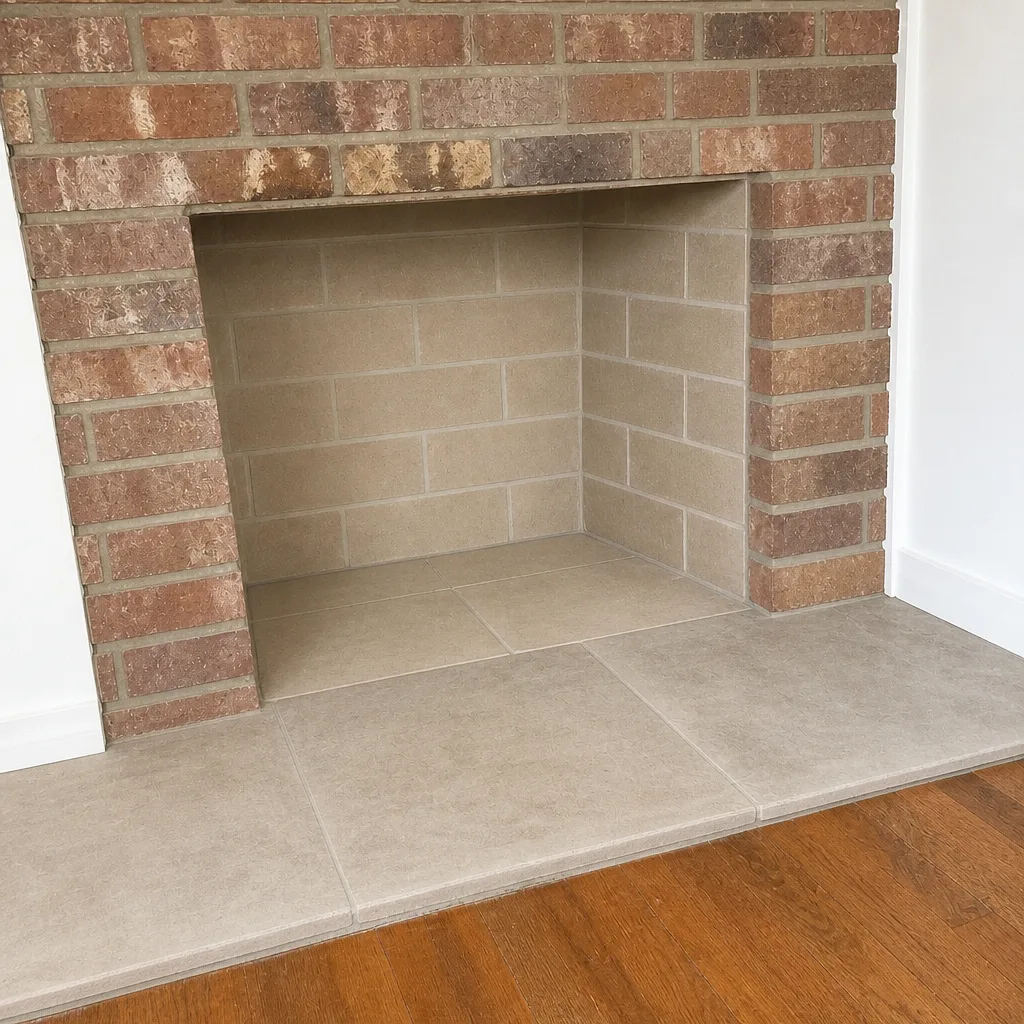
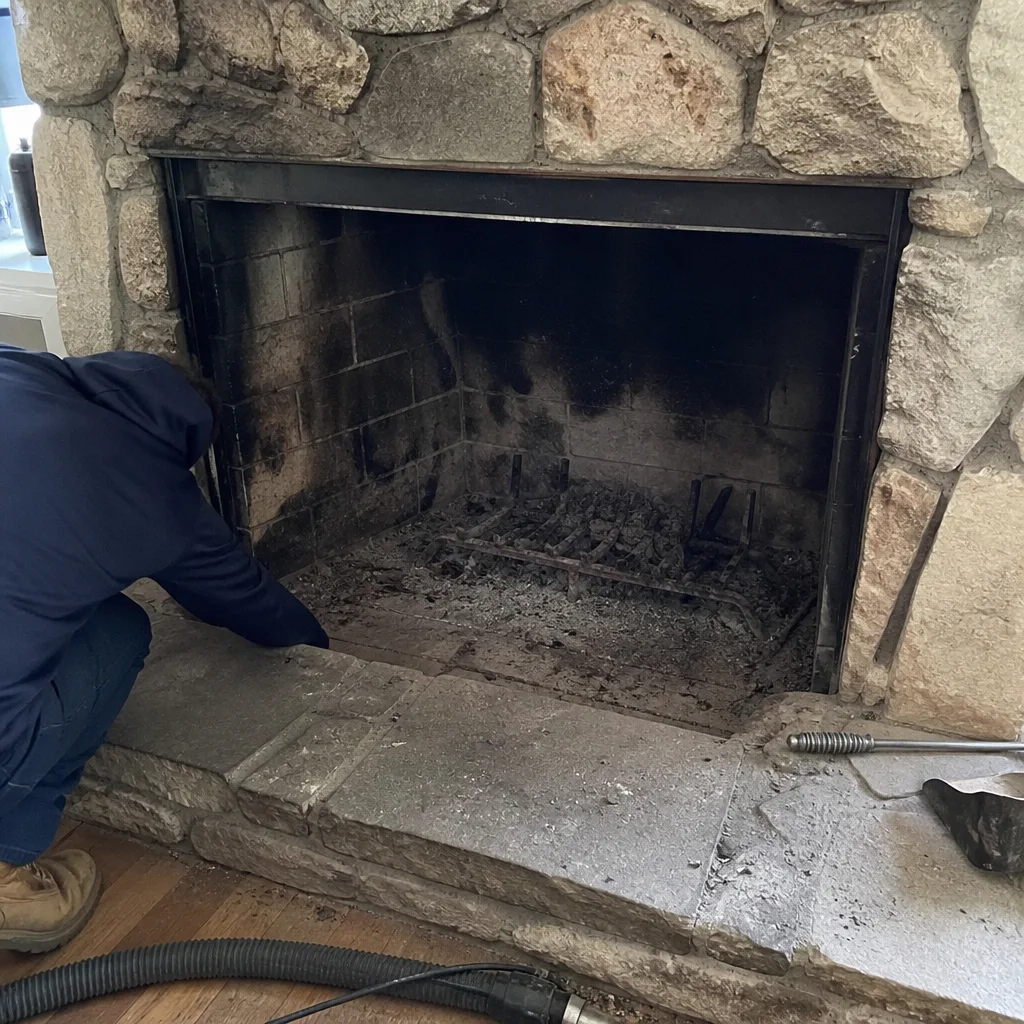
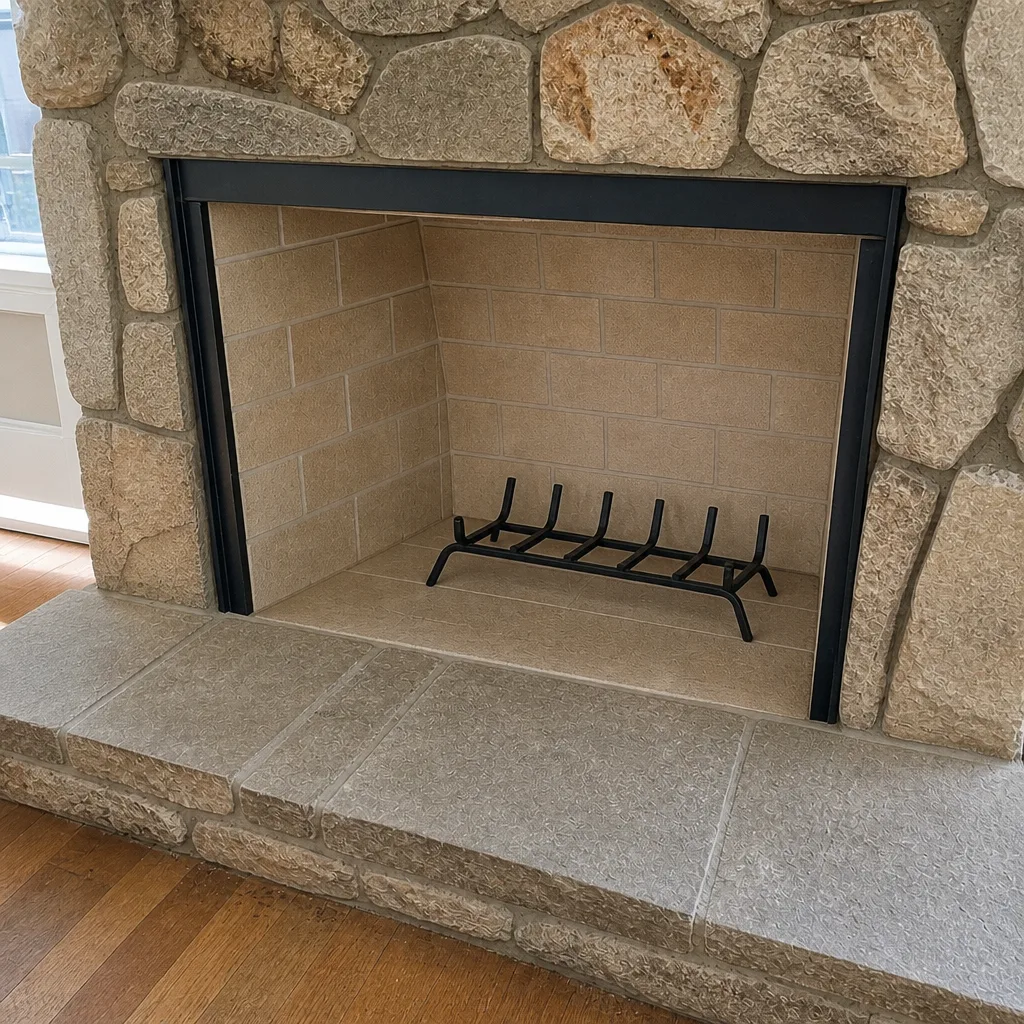
See the difference
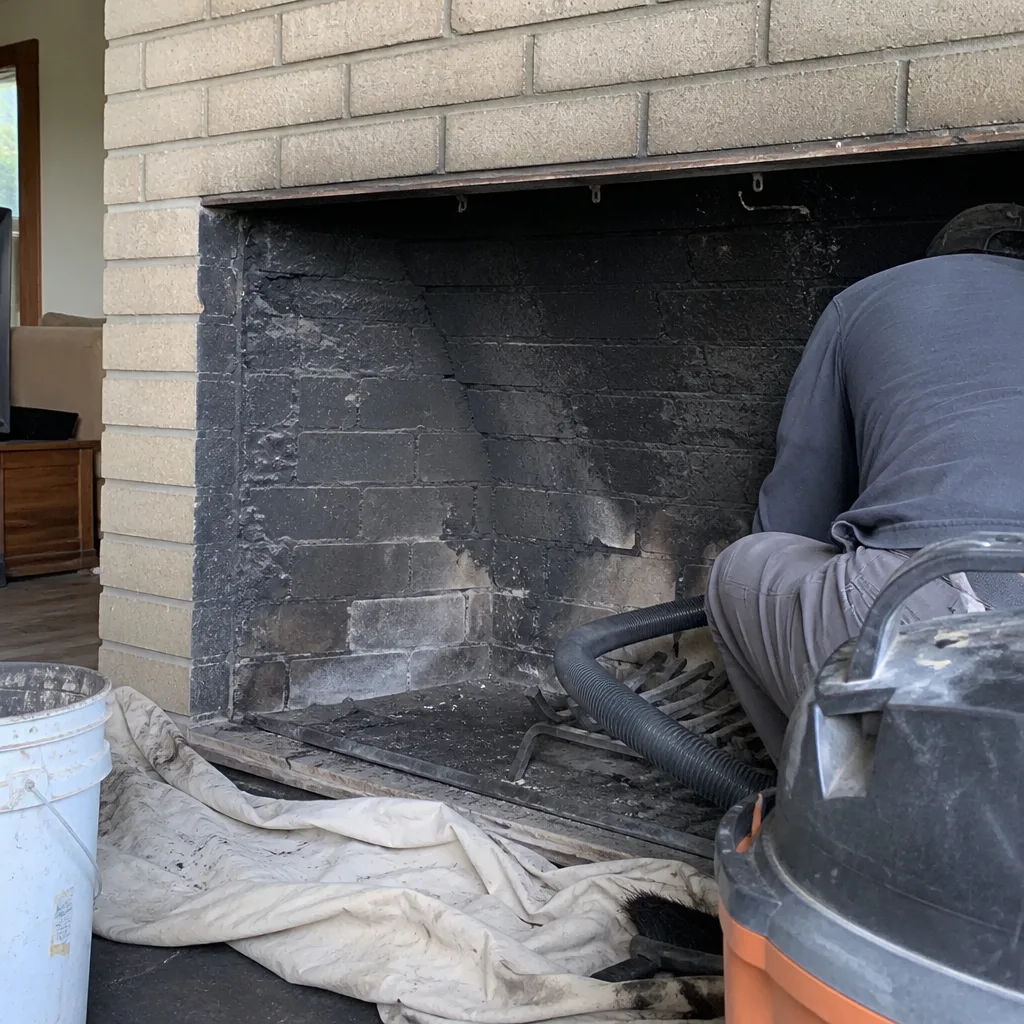 Before
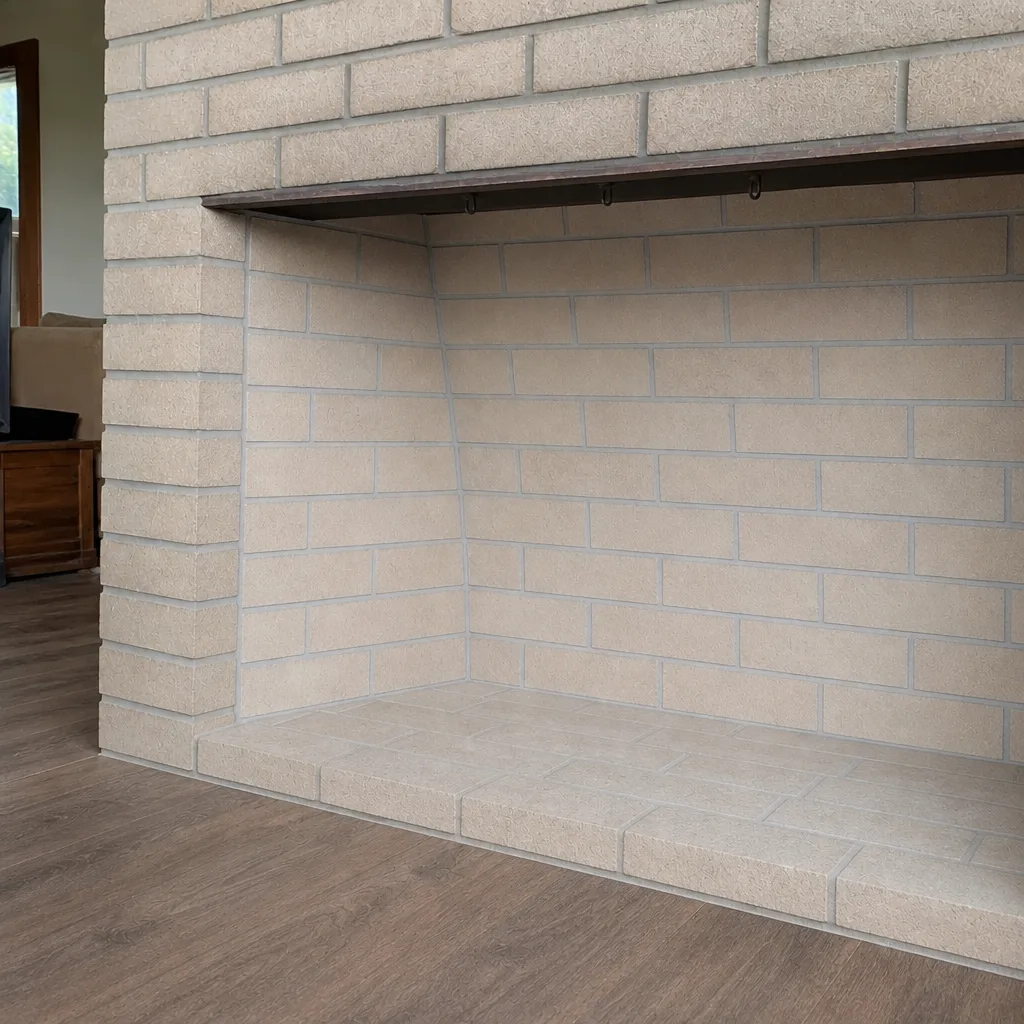 After
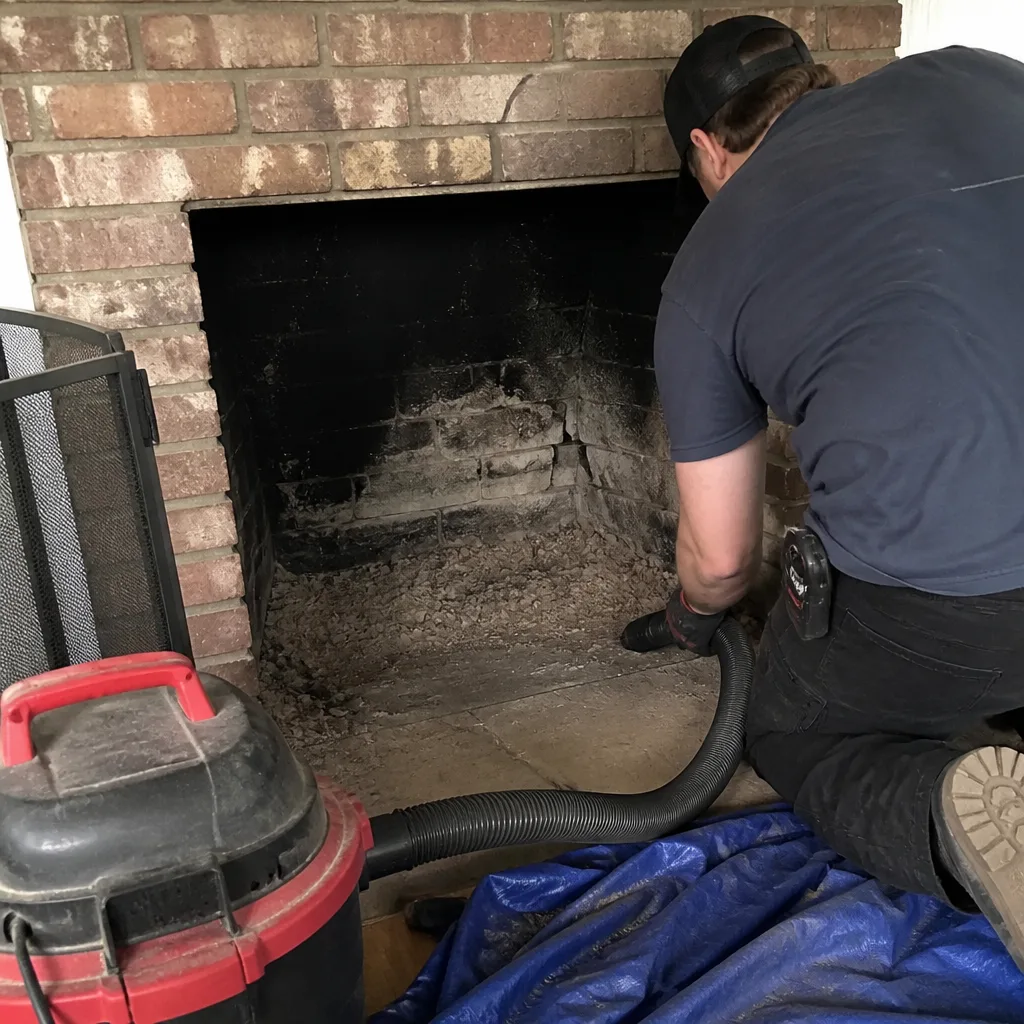 Before
 After
 Before
 After
When to Call a Professional
Call a professional if you notice any of these: smoke spilling into the room when you start a fire, a chimney smell that persists when the fireplace isn’t in use, soot or creosote visible around the firebox, a damper that won’t move through its full range, a flue that draws weakly or unevenly, a cap that’s missing or visibly damaged, or a wood-burning setup you haven’t had inspected in over a year. On the gas side, any venting change, any exhaust smell, or any carbon monoxide alarm is a call-now situation. Don’t wait for the annual window in those cases.
For routine scheduling, book ahead of the October rain. If the fireplace is your primary heat, book before the first cold snap. If you’re not sure whether your home needs a sweep or just an inspection, that’s exactly the call to make. Call (833) 538-5519 for a free estimate and one of our technicians will tell you what’s actually needed. We answer 24/7. Fast dispatch from 7am to 7pm, Sunday through Friday.
Frequently Asked Questions
The safe baseline is an annual inspection for every chimney, with sweeping frequency set by usage and fuel type. Light wood-burning households (under one cord per season) often go more than one season between sweeps if the inspection shows the flue is clean. Moderate users (one to three cords) typically need an annual sweep. Heavy users (four or more cords) should sweep annually and consider a mid-season check. Gas appliances follow a different profile: annual inspection, with sweeping based on what the inspection actually finds. Call (833) 538-5519 if you’re unsure which tier your home is in.
Yes. The annual inspection is the universal part of the schedule, and it applies to every fuel type. Even a gas appliance used occasionally needs its venting and flue checked once a year, because venting problems on gas can produce carbon monoxide. A wood appliance needs the liner and smoke chamber checked for damage, and an inspection catches small problems before they turn into repairs. The inspection is where the schedule is actually set. Call (833) 538-5519 to book one before the heating season starts.
Book in late August or early September, before the October rainy season and before the heating season starts. In Gresham, the timing matters more than in drier climates because once the rain sets in, roof work and outside repairs get slower and harder to schedule. If the inspection turns up a repair, the dry window in late summer is the best time to get it done. Call (833) 538-5519 to get on the calendar ahead of the fall rush.
Not the same kind a wood-burning fireplace needs. Gas doesn’t produce creosote, so the annual wood-fireplace sweep cadence doesn’t apply. What a gas appliance does need is an annual inspection of the venting and flue. Debris, nesting, blocked intakes, and condensation can all cause problems in a gas vent, and venting issues on gas appliances can produce carbon monoxide. An annual inspection on a gas fireplace is a safety check first. Call (833) 538-5519 if it’s been a year or more.
The flue accumulates creosote and the system goes unchecked, so damage that would have been caught early has more time to progress. On wood appliances, creosote buildup is the hazardous part, and a flue that hasn’t been inspected in over a year is a flue whose condition nobody has actually verified. On gas appliances, the concern is venting and carbon monoxide. Skipping the annual inspection doesn’t always cause a problem, but when there is one, it’s caught later and costs more to fix. Call (833) 538-5519 to book an inspection and find out exactly where your chimney stands.
Some tasks are fine to handle yourself and some aren’t. Checking the cap from the ground, checking that the damper moves freely, doing a visual check of the firebox, and removing ash properly are all reasonable homeowner tasks between professional visits. Cleaning the flue, inspecting the liner, taking apart the appliance, and working on the roof are not. Proper flue cleaning requires the right tools and a trained eye, and liner inspection requires a camera. Bring the flue and liner work to a professional. Call (833) 538-5519 for a free estimate.
The Bottom Line
The right chimney maintenance schedule isn’t one calendar for every home. It’s the annual inspection, applied to everyone, plus a sweep cadence that follows fuel type and burn frequency. Light wood burners, gas inserts, and heavy wood stoves each land on a different timeline. Timing matters in Gresham: book the pre-season sweep before the October rain, and book early because the fall calendar fills up. Keep a maintenance log, do the safe homeowner checks between visits, and call a professional when the draft changes or the firebox shows wear. The schedule that fits your home is the one that keeps the flue clean and the whole system inspected, safely, year after year.
For help with your chimney, call Gresham Chimney Sweep at (833) 538-5519 to book a free estimate. We answer 24/7. Fast dispatch from 7am to 7pm, Sunday through Friday. Sweep, inspection, and repair are handled by the same team, using professional materials from Gelco, Famco, Olympia Chimney, DuraFlex, HeatShield, and Copperfield.
For the wider picture of what chimney work in the area involves, see our guide to Gresham and how we handle a chimney sweep or a chimney repair. Our main Gresham Chimney Sweep page covers the full range of services.
Written by the team at Gresham Chimney Sweep.