
Last updated November 16, 2026
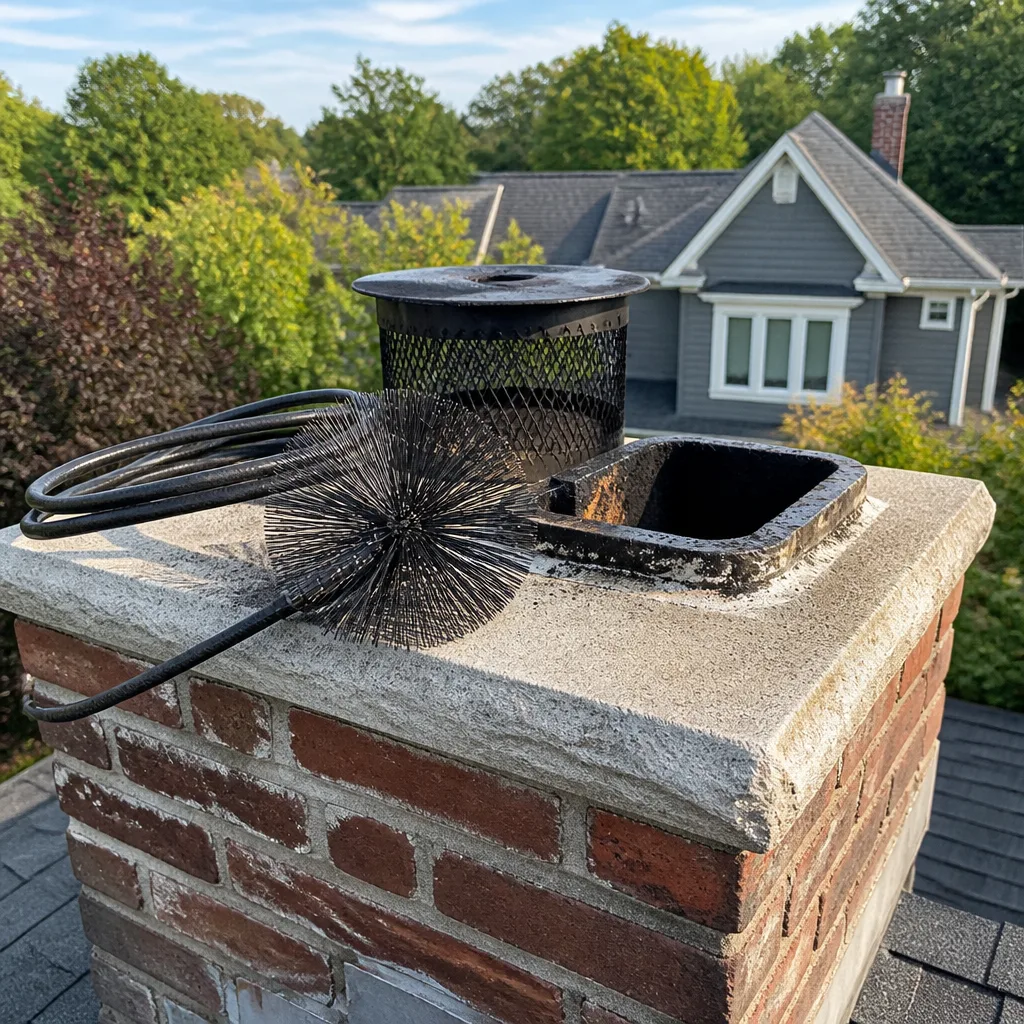 Sweep & inspection
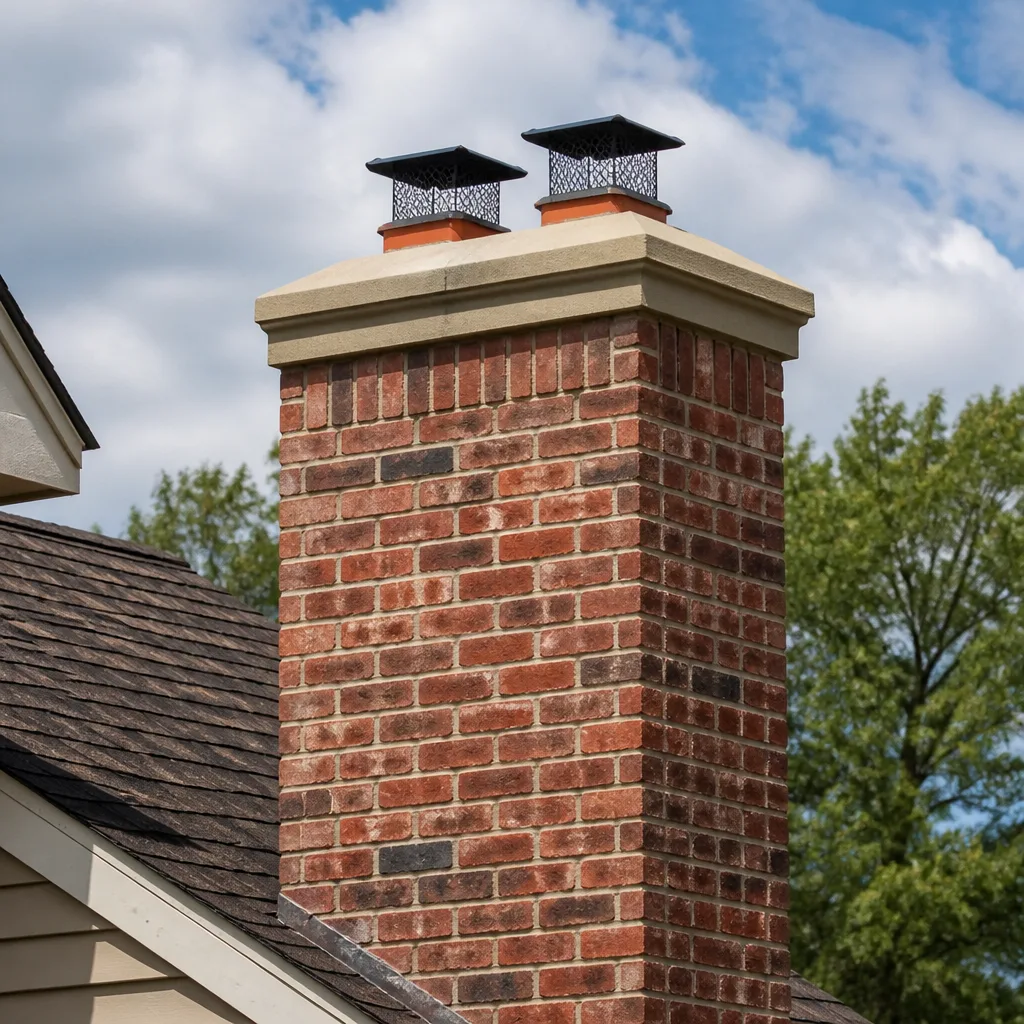 Caps & crowns
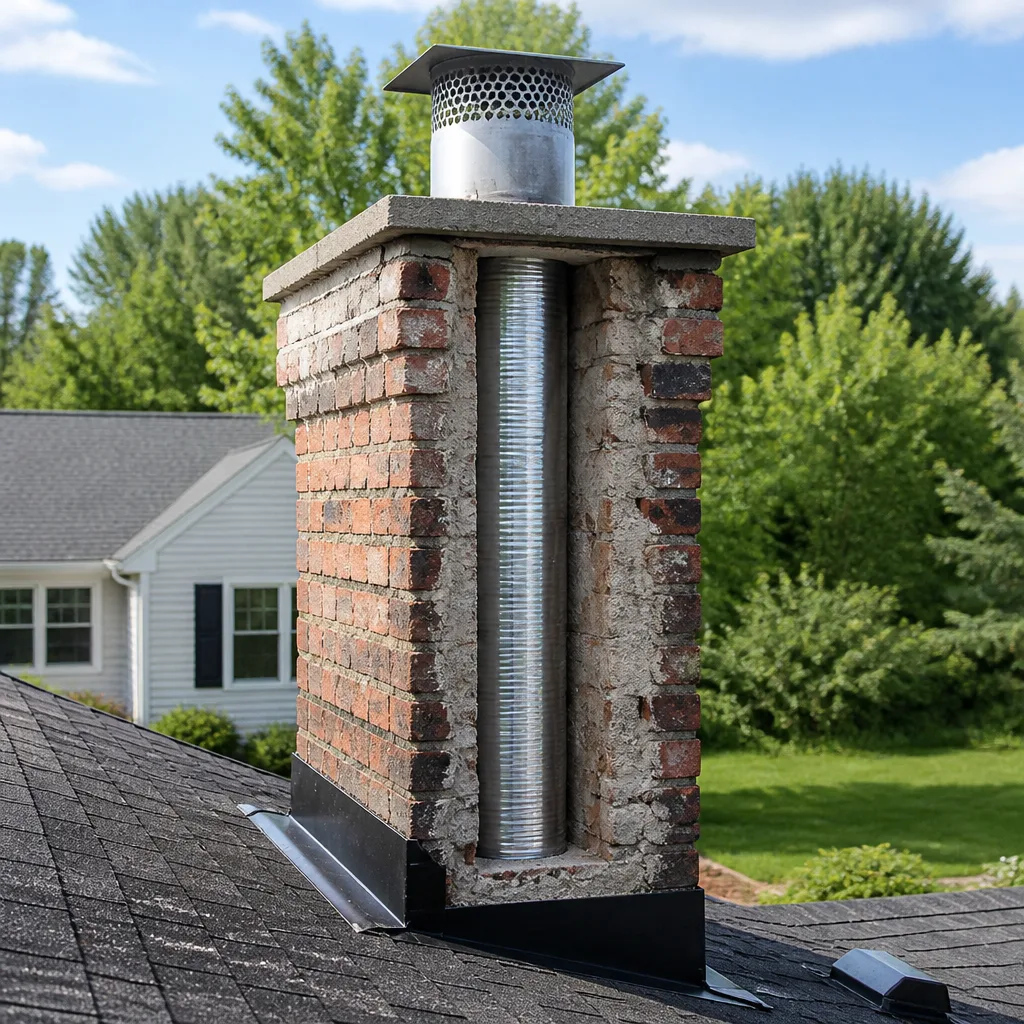 Flue relining
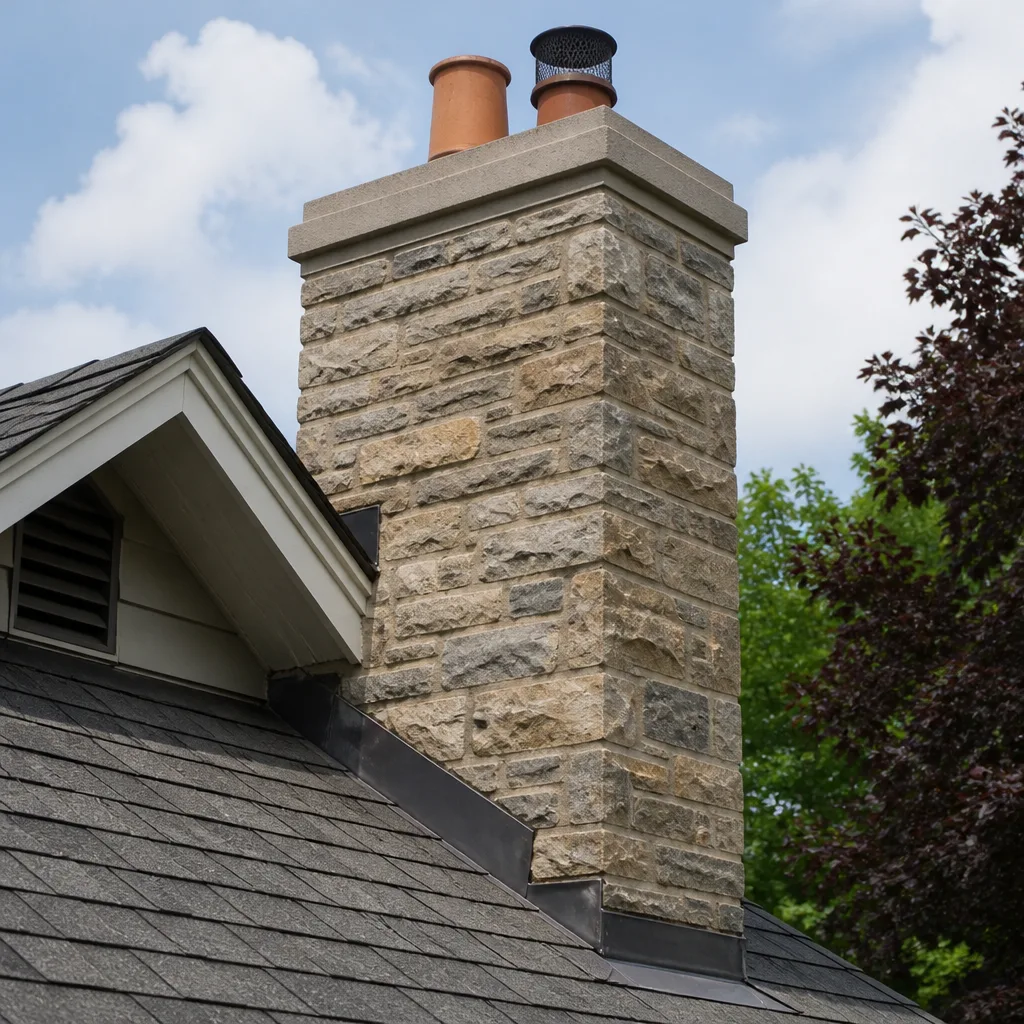 Masonry repair
 Gas fireplace service
Level 1 sweep and inspection to the NFPA 211 annual standard - flue, crown, cap, and flashing checked and photographed
Chimney sweep logs do not sweep chimneys. They loosen some creosote - which then falls where a brush and vacuum still have to collect it.
Chimney Cleaning Warning Signs: A Gresham Homeowner’s Reference Guide
Most chimney fires don’t announce themselves. We’ve seen the aftermath of slow, smoldering fires that burned inside a flue for hours while the homeowner sat ten feet away, comfortable and unaware, assuming the fireplace was working the way it always had. The danger signs that matter most in Gresham rarely look dramatic from the living room. They look like a little glazing on the firebox wall, a faint creosote smell in July, a puff of smoke that curls back into the room when you first light a fire. This guide trains you to read those quiet signals the way a professional does, so you know what’s routine, what needs a sweep, and what means the fireplace should stay dark until someone qualified looks at it.
Quick Answer
The main warning signs that a chimney needs cleaning or inspection are glazed or flaky creosote deposits inside the firebox and flue, smoke spilling back into the room instead of drafting up, persistent smoky or ashy odors even when the fireplace is cold, and exterior damage such as white staining, crumbling mortar, or a cracked crown. Any of those means it’s time for a professional sweep and inspection before you burn again. A roaring chimney fire is the emergency everyone fears, but the quiet signs arrive first, and catching them is what keeps a routine cleaning from turning into a repair.
Styles & brands we work with
- Sweep & inspection
- Caps & crowns
- Flue relining
- Masonry repair
- Gas fireplace service
Table of Contents
- What warning signs show up inside the firebox
- What chimney odors tell you about your flue
- Exterior warning signs you can spot from the ground
- Draft problems and smoke spillback
- Routine service signs vs. stop-burning signs
- Why Gresham weather speeds up chimney wear
- A simple inspection and cleaning schedule
- Common mistakes to avoid
What warning signs show up inside the firebox
The firebox is where the story usually begins. Before you light your next fire, take a flashlight and look at the back wall, the damper, and as far up the flue as you can see. What you’re looking for is the condition of the surface, the color of the deposits, and whether anything has started to flake or crack.
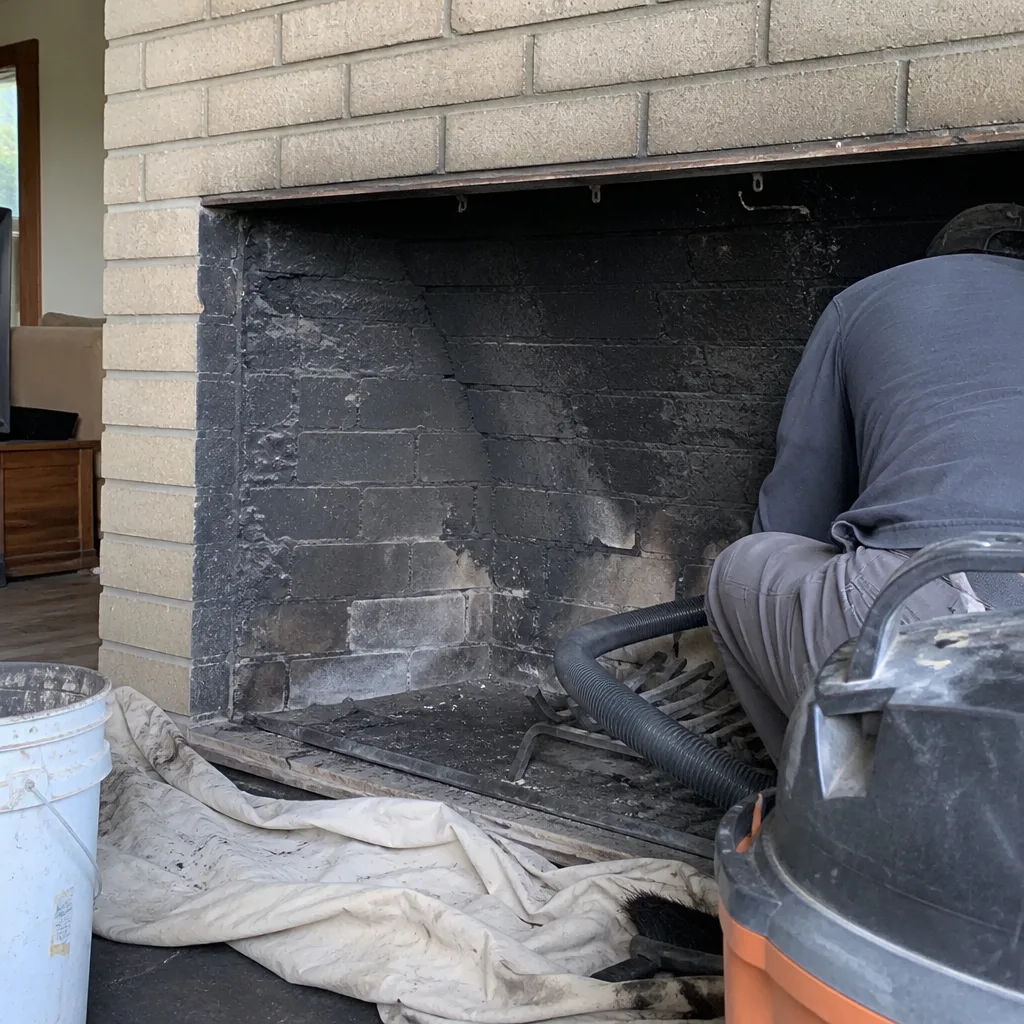
Creosote forms in stages, and each stage looks different. The early stage is soft, sooty, and easy to brush away. As deposits build up and get reheated, they harden into a crusty layer. Left longer, they turn into a shiny, glazed coating that clings to the liner and won’t brush off with ordinary tools. Glazed creosote is the one we treat with the most respect, because it’s the most flammable form and the hardest to remove. If you see a glossy, tar-like sheen on the flue walls, that’s a sign the chimney hasn’t been cleaned in a while and heat has been baking the deposits.
Flaking tiles or crumbling refractory brick inside the firebox point to something different. That’s physical breakdown of the material itself, often from repeated heating and cooling or from moisture getting in. Loose or missing pieces can let heat reach framing that was never meant to see it. Discoloration matters too. A clean firebox looks fairly uniform. Brown or black streaks fanning out from a seam, or a white powdery bloom on the masonry, suggest heat is escaping where it shouldn’t or water is finding its way in.
What we look for in a professional inspection goes well beyond what a flashlight can show. We use a camera to see the full length of the liner and the smoke chamber, because the damage that matters most is often higher up than a homeowner can see. If you’d like a trained eye on your firebox, our chimney sweep includes a close look at every one of these surfaces.
What chimney odors tell you about your flue
Your nose is one of the best diagnostic tools you have, and it doesn’t cost a thing. A healthy, clean chimney should smell like almost nothing when it’s not in use. If your fireplace has a distinct smell in the off-season, that odor is carrying information.
Here’s how to decode the common ones:
- Sharp, acrid, campfire smell when there’s no fire: This usually means creosote buildup in the flue, and often a downdraft pushing that smell back into the house. It’s a signal to schedule a sweep.
- Damp, musty, earthy smell: Moisture is getting into the chimney. It could be a failing cap, a cracked crown, or water soaking into masonry that’s been rained on for years. Gresham’s wet winters make this a common one.
- Smoky smell that appears when the furnace or bathroom fan runs: This points to a pressure problem. Exhaust fans can pull air down the chimney and push flue gases into the room, which is a carbon monoxide concern and worth acting on right away.
- Dead-animal or rotting smell: Birds, squirrels, or other animals sometimes get into an uncapped flue. A proper cap and a sweep to clear the debris solves it.
Odors that vanish once the fire is burning well are usually a top-end draft issue, sometimes just a cold flue that needs to warm up. Odors that show up when the house is closed up and the heat is running deserve more attention, because that’s when backdrafts push flue air into your living space. If a smell is bothering you, don’t guess at it. A chimney repair inspection can trace it to the source, whether that’s a cap, a crown, a liner joint, or the pressure balance of the whole house.
Exterior warning signs you can spot from the ground
You don’t need to climb a ladder to catch most of the serious exterior problems. Stand back on the lawn or sidewalk and look at the chimney the way you’d look at the rest of your house. The signs fall into a few clear categories, and each one tells you something about what’s happening underneath.
- White, chalky staining (efflorescence): This is salt being pushed to the surface as moisture moves through the masonry and evaporates. It’s not dangerous on its own, but it’s a reliable sign that water is getting in somewhere and the chimney is drying out through its walls. That moisture drives freeze-thaw damage all winter.
- Spalling brick or flaking mortar: When the faces of bricks pop off or mortar joints crumble, the masonry is breaking down. Water that soaks in and freezes expands and pushes the surface apart. Left alone, spalling spreads and eventually reaches structurally important areas.
- A cracked or crumbling crown: The crown is the sloped concrete cap on top of the chimney. It’s designed to shed water away from the masonry. Cracks let water straight down into the chimney, and that’s one of the most common sources of the interior damage we see in Gresham.
- A missing, loose, or damaged cap: The chimney cap keeps rain, birds, and debris out of the flue. When it’s gone or rusted through, water and animals get in. Replacing one is inexpensive compared to the liner damage an open flue can cause over a few rainy seasons.
- Tilted or leaning chimney: Any visible lean is worth a professional look. It’s not a sign you fix with a phone call to a mason on a whim, but it needs an inspection to rule out a foundation problem.
If you notice any of these, the fix usually isn’t major. A new crown, fresh cap, or a masonry repair done correctly stops the water before it reaches the liner. We handle all three as part of our repair work, and we stock caps and ventilation components from lines like Gelco, Famco, and Olympia Chimney, so a repair covers the whole chimney system rather than just the part that’s visible.
Draft problems and smoke spillback
Smoke rolling out of the fireplace into the room is one of the most misread signs a homeowner can see. It’s easy to blame a bad log, a wet day, or your own fire-building technique. Sometimes it is one of those things. But when it happens repeatedly, it’s usually telling you something about the chimney itself. A fireplace and a flue are a single system, and the flue has to pull a steady draft up and out for the fire to burn the way it’s meant to.
Here are the most common causes of smoke spillback, in order of what we find:
- A blocked or partially blocked flue: Heavy creosote buildup, a bird’s nest, or a collapsed liner section narrows the path and chokes the draft. This is the first thing to rule out with a sweep and a camera inspection.
- A flue that’s too cold: In a house where the chimney hasn’t been used in a while, the flue starts cold and doesn’t draft until warmed. A slow-burning starter fire helps, but if this only happens on cold morning starts, it’s usually a minor issue.
- Negative pressure in the home: A tightly sealed house, a strong kitchen exhaust fan, or a furnace in a shared space can pull more air than the chimney can replace. A dedicated outside air supply sometimes solves it.
- A damaged or poorly fitting cap: Some caps restrict too much airflow or get bent out of shape, and that changes how the chimney draws.
- A liner that’s cracked or separated: This is the one that matters most, because gases can escape into unseen parts of the chimney. It’s a repair concern, not a habit.
Short draft problems are a nuisance. Chronic ones can push carbon monoxide into your home, especially when a gas appliance or wood stove shares the flue or sits near it. If spillback keeps happening, stop using the fireplace and get an inspection before the next fire.
Routine service signs vs. stop-burning signs
The single most useful skill this guide can give you is telling the difference between “schedule a cleaning” and “shut the fireplace down now.” Most of what you’ll notice falls into the first category. A smaller set means the fireplace should stay cold until a professional has looked at it.
Signs that a routine cleaning or inspection is due:
- It’s been a season of regular fires and the chimney hasn’t been swept.
- The inside of the firebox looks dark with soot and the flue walls feel gritty.
- You burn a lot of wood and have noticed more smoke smell after each fire.
- Your annual or seasonal inspection is simply due.
- You’ve just moved into a home in Gresham and don’t know when the chimney was last serviced.
Signs that mean stop burning immediately:
- A chimney fire has happened, even a small one. The flue may be cracked from the heat.
- Smoke keeps rolling back into the room despite a well-built fire.
- You can smell smoke or gas in other rooms of the house, especially when the heat is running.
- Any damage is visible to the liner, tiles, or firebox brick, or the flue looks glazed and tar-like.
- Your carbon monoxide alarm has gone off. Leave the house and call for help first.
- A strong smoky odor lingers after the fire is long out.
When you’re in the first group, a cleaning and inspection will tell you whether anything else needs attention. When you’re in the second, a professional inspection comes before the next fire, not after. Our technicians have up to 14 years of experience, and they’ve seen both kinds of calls. If you’re not sure which group you’re in, that’s exactly what an inspection is for. Call (833) 538-5519 and we’ll talk it through before you light another log.
Why Gresham weather speeds up chimney wear
A chimney in Gresham deals with a lot over the course of a year. Our wet winters send rain against the outside of the chimney for months at a time, and that moisture doesn’t just bounce off. Brick and mortar absorb water, and when temperatures drop, that water freezes and expands, which slowly breaks the masonry apart from the inside. This is why the exterior signs like spalling brick and a crumbling crown show up so often here, and why catching them early saves real money.
The interior of the chimney has its own set of stresses. Creosote is a byproduct of any wood fire, but how fast it builds depends on how hot and how efficiently the fire burns. A fire that smolders all evening, a wood stove with the damper closed too far, or wet firewood all produce more creosote per hour than a clean, hot fire. Many Gresham homes sit among mature trees, and fall leaf and branch debris finds its way onto roofs and into caps. Add our damp air, and you get the pattern the trade expects: more soot, more moisture, and more small masonry repairs than in drier places.
Gresham sits within a region that has adopted modern building codes, and those codes expect a properly listed, correctly sized liner for the appliance. If a home has been converted from wood to gas, or a stove has been added without a proper liner, the chimney may not match the current appliance at all. That’s a common finding during an inspection, and it’s usually sorted out with a professional liner system rather than a patch job. We install DuraFlex flexible liner systems because that’s what professionals specify for relining, and it gives you a flue rated for the job.
A simple inspection and cleaning schedule
If you want to keep this simple, here’s the schedule we recommend to homeowners. It isn’t a rigid rule, but it covers most houses in this area. You can use it as a checklist year to year.
- Once a year, have the chimney inspected. An annual inspection catches small problems before they become repairs. It’s the single most reliable habit for a safe chimney.
- Sweep when there’s about an eighth of an inch of buildup in the flue, or once per season of regular use. If you burn wood most nights through the winter, plan on a sweep before the cold sets in.
- After any chimney fire, however small, have the chimney inspected before using it again. Heat can crack tile and warp a liner in ways you can’t see.
- At the start of fall, check from the ground. Look at the cap, the crown, the brick, and the mortar. Note any white staining or spalling.
- When you move into a new home in Gresham, get an inspection before your first fire. You have no idea what the last owner did, or didn’t do.
- When you change appliances, such as adding a gas insert or wood stove, get the flue checked. The liner may not match the new appliance.
A proper sweep finishes with a camera inspection and a photo report, so you know what’s inside the flue, not just what someone tells you. That’s a core part of what we do at Gresham Chimney Sweep, and it’s the reason we can tell you plainly when a repair can safely wait and when it can’t.
Common Mistakes to Avoid
- Deciding you’ll know when it needs a sweep. Creosote builds out of sight, and by the time the firebox looks bad, the flue may already be dangerous. Sweep on a schedule, not on a hunch.
- Treating a smoky fireplace as a wood or technique problem. Wet wood makes a smoky fire, but repeated spillback often points to a blocked flue, a cap, or a liner issue that a sweep can find.
- Ignoring exterior damage because the inside works fine. A crumbling crown or a missing cap lets water in, and in Gresham’s wet winters that water quietly rots the chimney from the outside in. What works fine this year may not next.
- Burning wet or freshly cut firewood. Wood that hasn’t seasoned puts more moisture and more creosote into the flue with every fire. In our climate, wood needs real drying time.
- Letting a generalist or a sweep-only company handle a repair. A proper liner, cap, or crown job needs the right products and know-how. We use HeatShield for resurfacing damaged liners where it fits, and DuraFlex for full relining, because those are the systems the trade actually trusts.
- Skipping the inspection after a chimney fire. The fire is gone, but the damage it left behind isn’t. Inspecting first is what makes it safe to use again.
- Hiring a company that does chimney work “on the side.” Chimney work is what we do and only what we do, which means the same team handles your sweep, inspection, and repair, and you don’t get handed off to a second contractor when the inspection finds something.
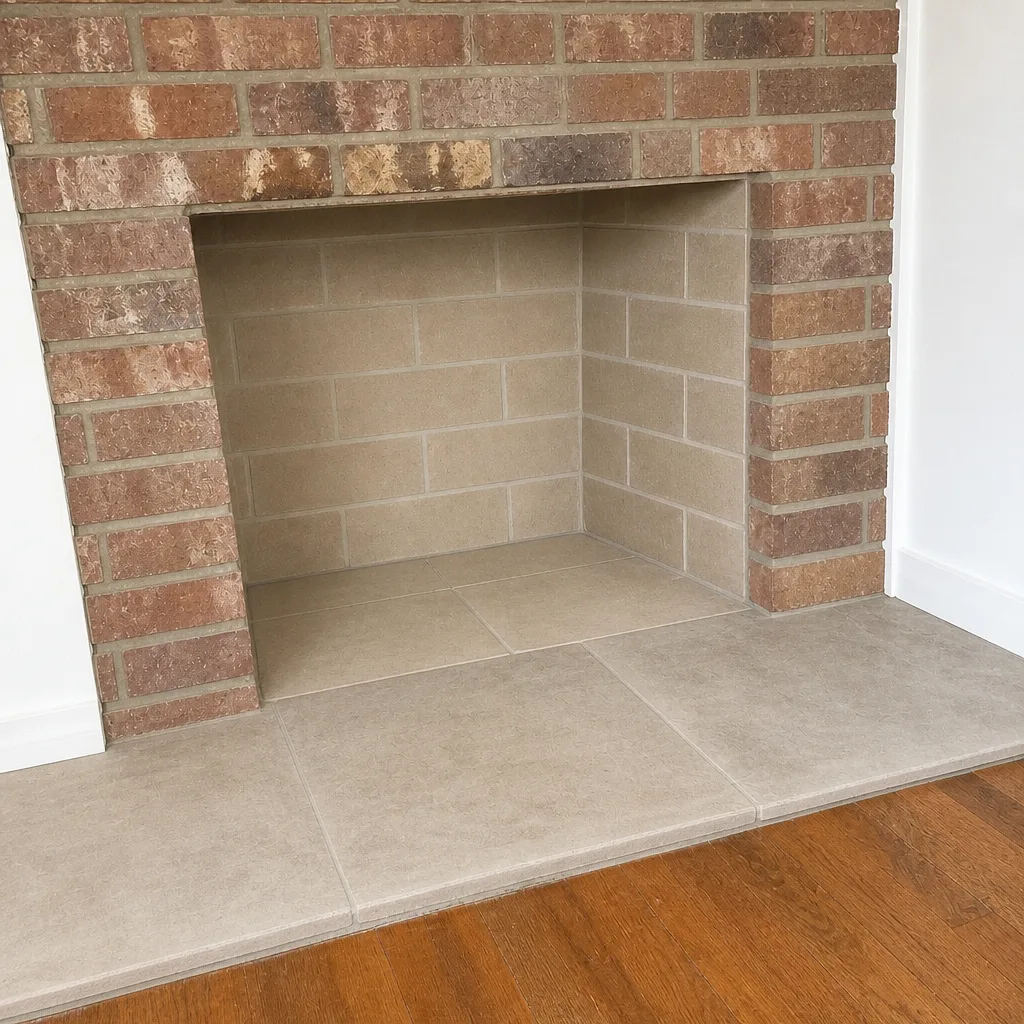
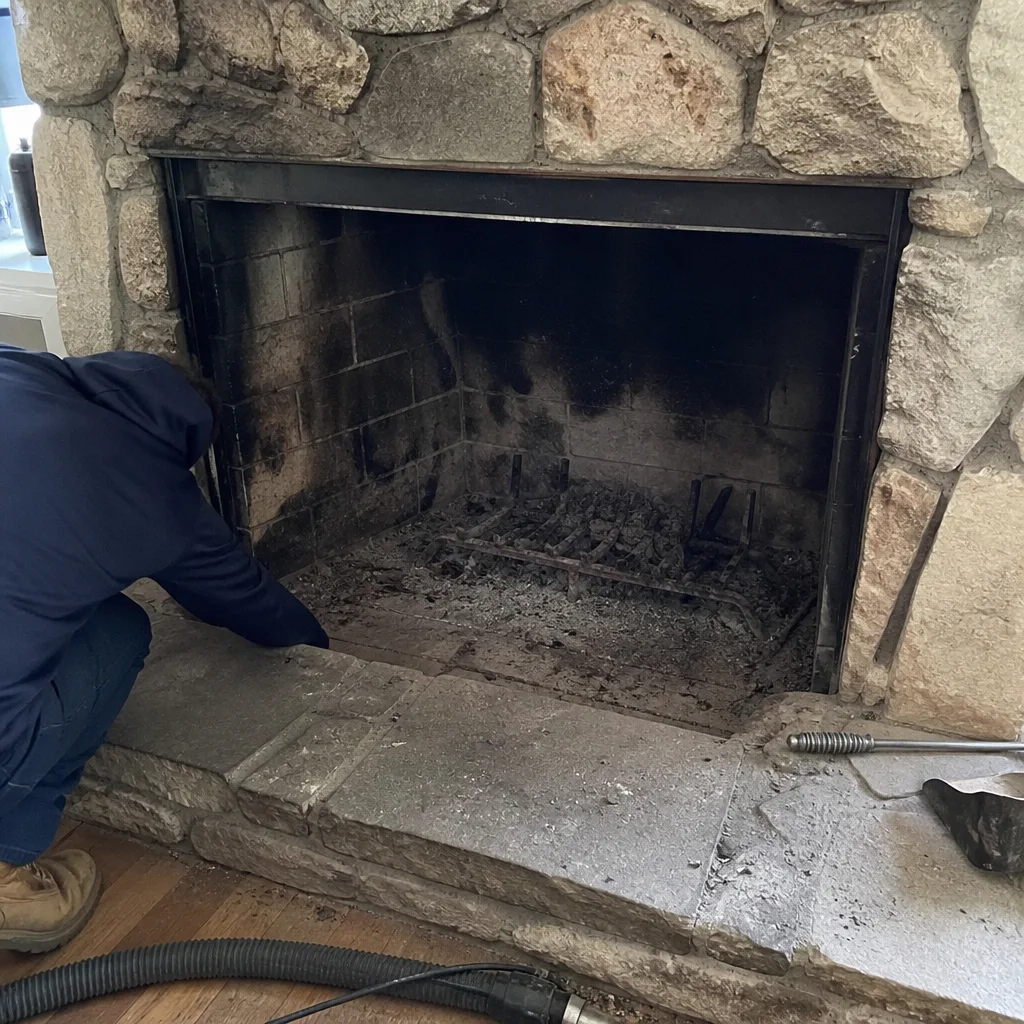
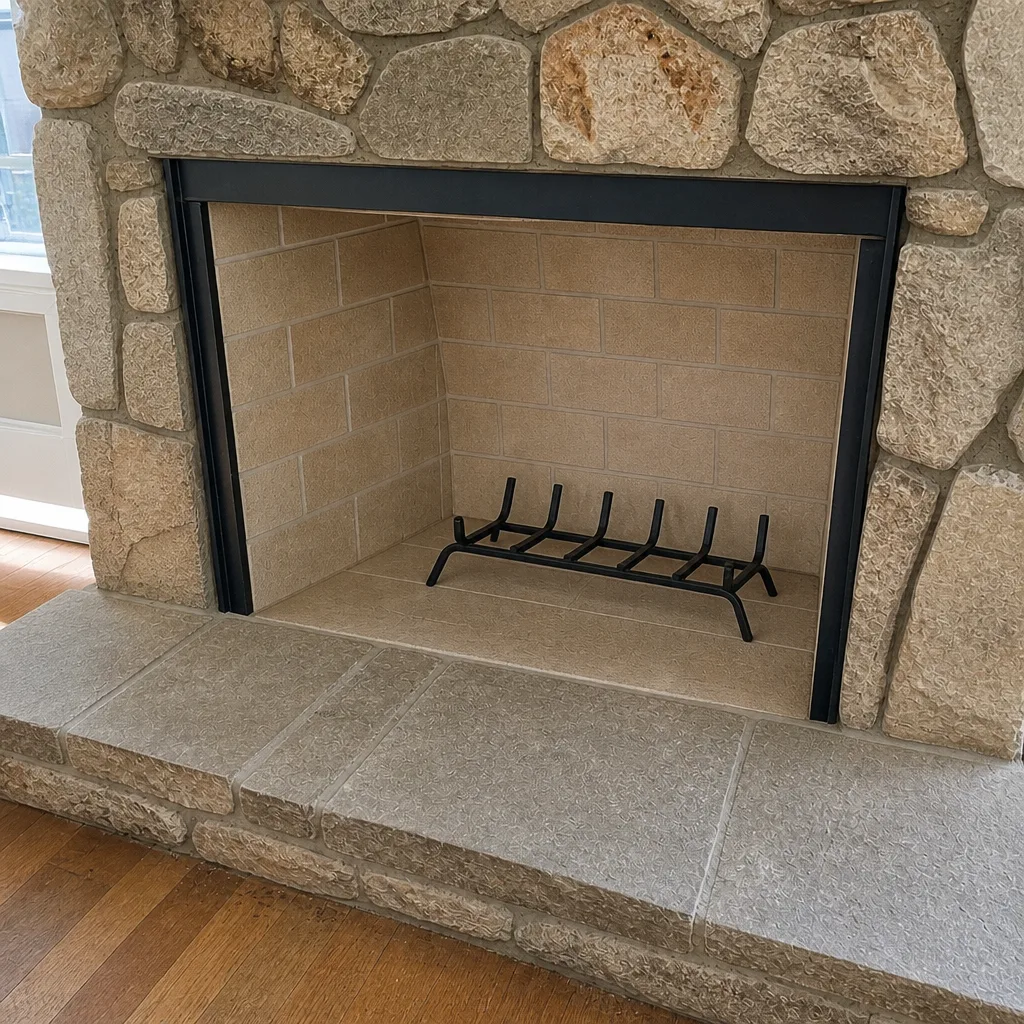
See the difference
 Before
 After
 Before
 After
 Before
 After
When to Call a Professional
Call a professional when you’ve spotted any of the stop-burning signs in this guide: smoke spilling into the room, a fresh chimney fire, a lingering smoky smell, visible liner or firebox damage, or a carbon monoxide alarm. Also call when it’s simply time for a scheduled sweep, when you’ve moved into a new home in Gresham, or when you’ve changed appliances. If you aren’t sure what you’re looking at, an inspection is the fastest way to find out, because a trained eye reads those signs in minutes.
We don’t recommend anything without evidence you can see for yourself. That’s why our sweeps include a camera inspection and a photo report. If a repair can wait, we’ll tell you. If it can’t, we’ll show you why. Gresham Chimney Sweep offers free estimates in Gresham. Call (833) 538-5519. We answer 24/7. Fast dispatch from 7am to 7pm, Sunday through Friday.
Frequently Asked Questions
A chimney sweep in Gresham is a modest, flat-price service, and the exact price depends on the job, which is why we set it by written estimate before the work begins. The range reflects whether you have a straightforward flue or one that needs extra time and care. The safest answer for your house is a free estimate. Call (833) 538-5519 for an exact quote. Estimates are free.
Only if the inspection shows the current one is cracked, separated, or mismatched to your appliance, and you deserve to see the evidence before you agree to anything. Sometimes a damaged liner can be restored with HeatShield resurfacing instead of a full replacement. Call (833) 538-5519 and we’ll show you what’s in your flue before recommending anything.
Sweep when there’s about an eighth of an inch of creosote buildup, or once per season of regular use, and have it inspected once a year. Daily winter burning means a seasonal sweep; occasional fires mean you can stretch it. Either way, the annual inspection is the safe habit to keep. Call (833) 538-5519 when it’s time.
The creosote keeps building, becomes glazed and harder to remove, and the fire risk grows with every fire. In Gresham’s wet climate, an unmaintained chimney also takes on water through a failed cap or crown, which damages masonry slowly and quietly. Catching it early keeps the fix small. Call (833) 538-5519 to get it looked at before burning season.
It can be. A faint smoky smell right after a fire is normal, but a smoky or ashy smell that lingers hours later, or appears when the house is closed up and the heat is running, can indicate a draft or liner issue. It’s worth an inspection. Call (833) 538-5519 to book one.
It goes from soft, sooty flakes to a hard crust to a shiny, tar-like glaze on the flue walls, and that last stage is the most flammable and the hardest to brush off. If the inside of the firebox has that glossy look, it’s time for a sweep. Call (833) 538-5519 for a professional cleaning and camera inspection.
The Bottom Line
The warning signs of a dangerous chimney usually arrive quietly: a faint smell, a little glazing, a white stain on the brick, smoke that curls back into the room. Learning to read them is the most valuable chimney skill a homeowner can develop. Here’s the short version. Glazed cr