
Last updated November 16, 2026
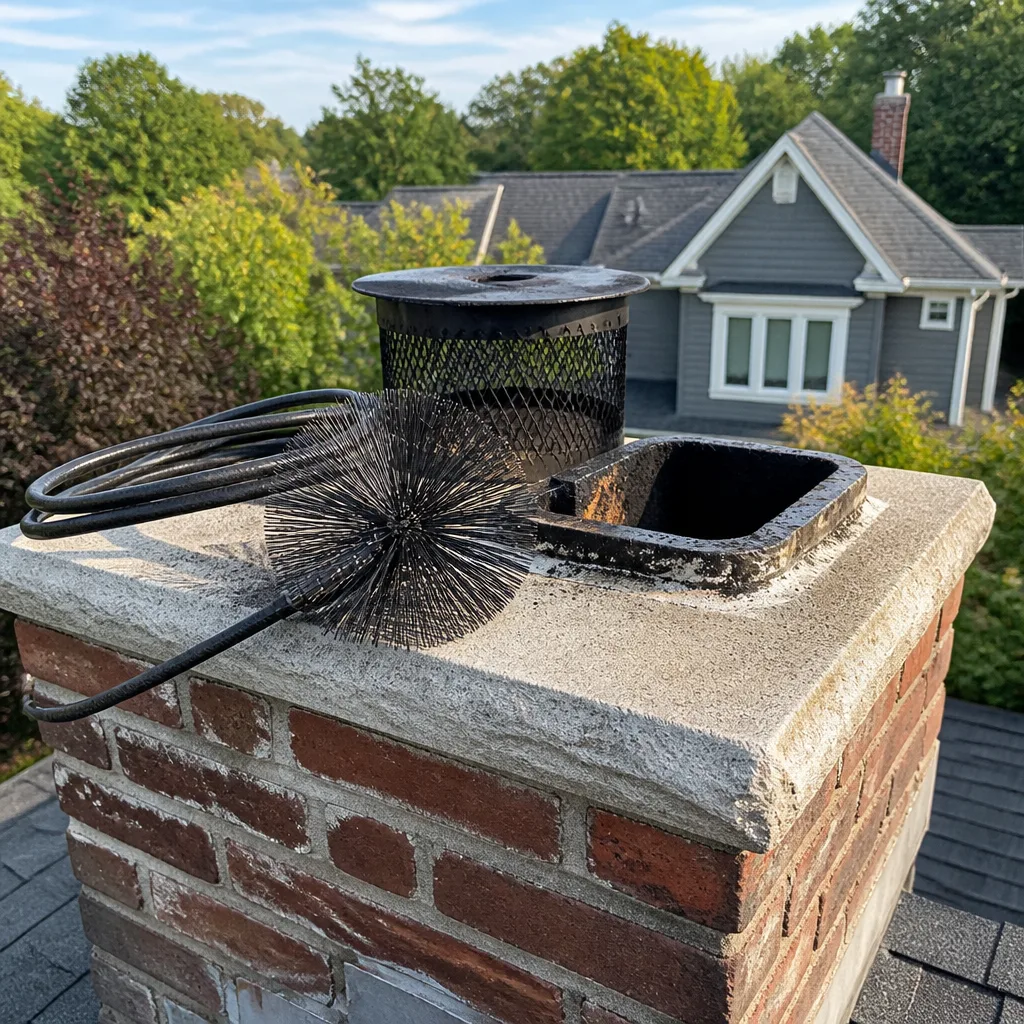 Sweep & inspection
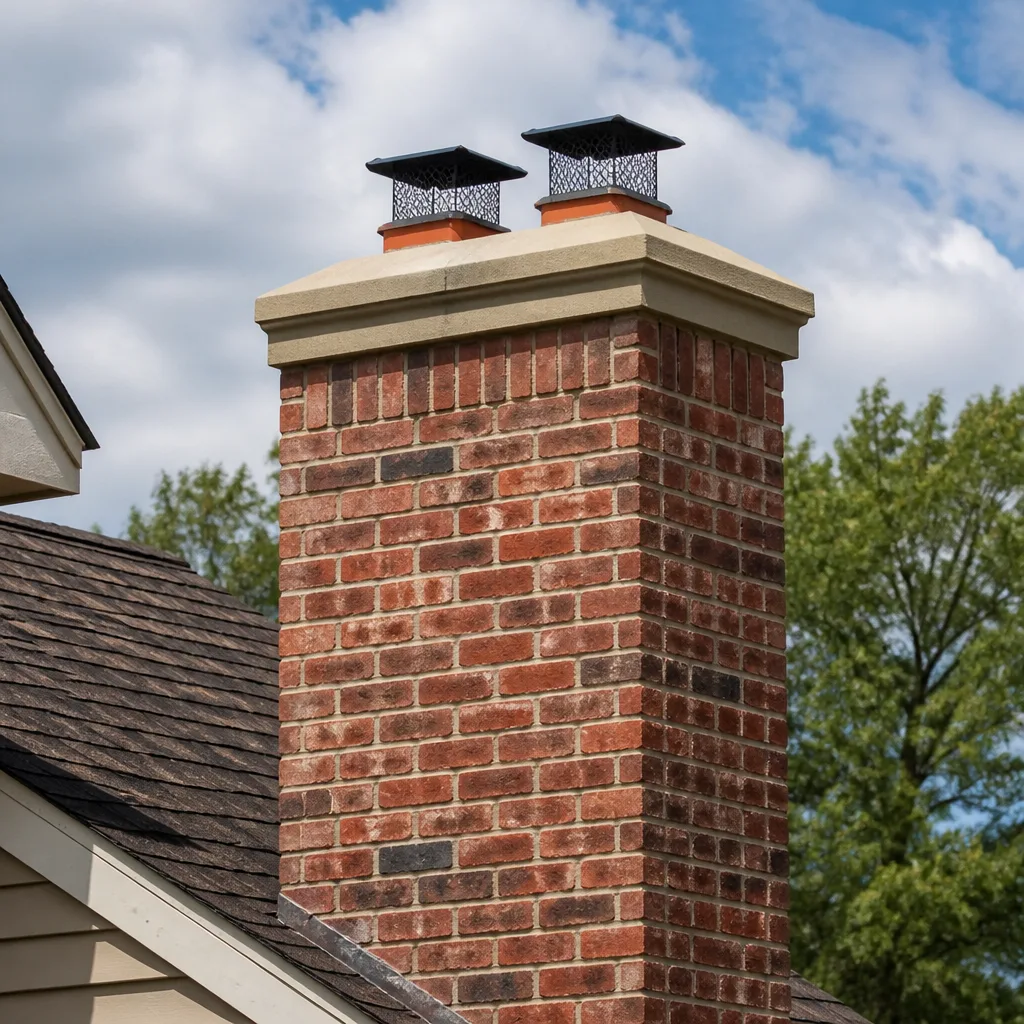 Caps & crowns
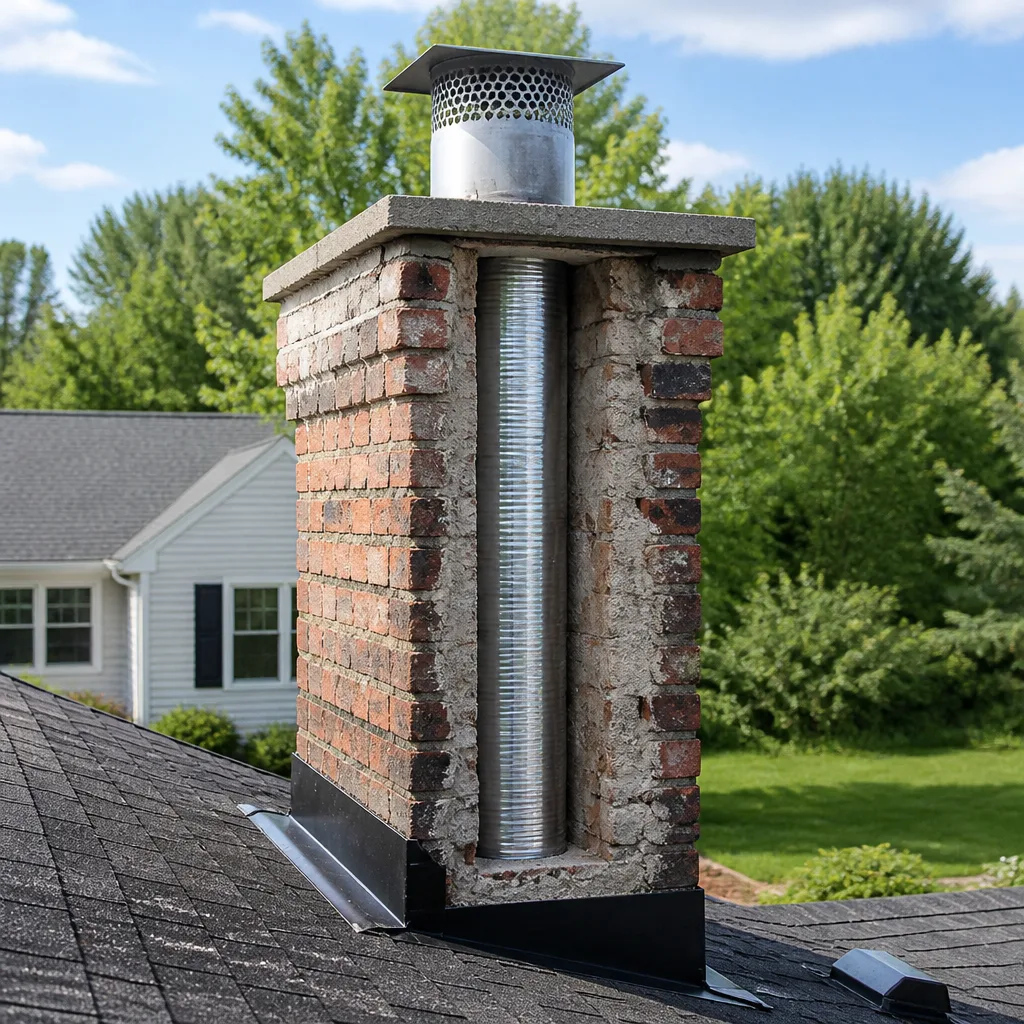 Flue relining
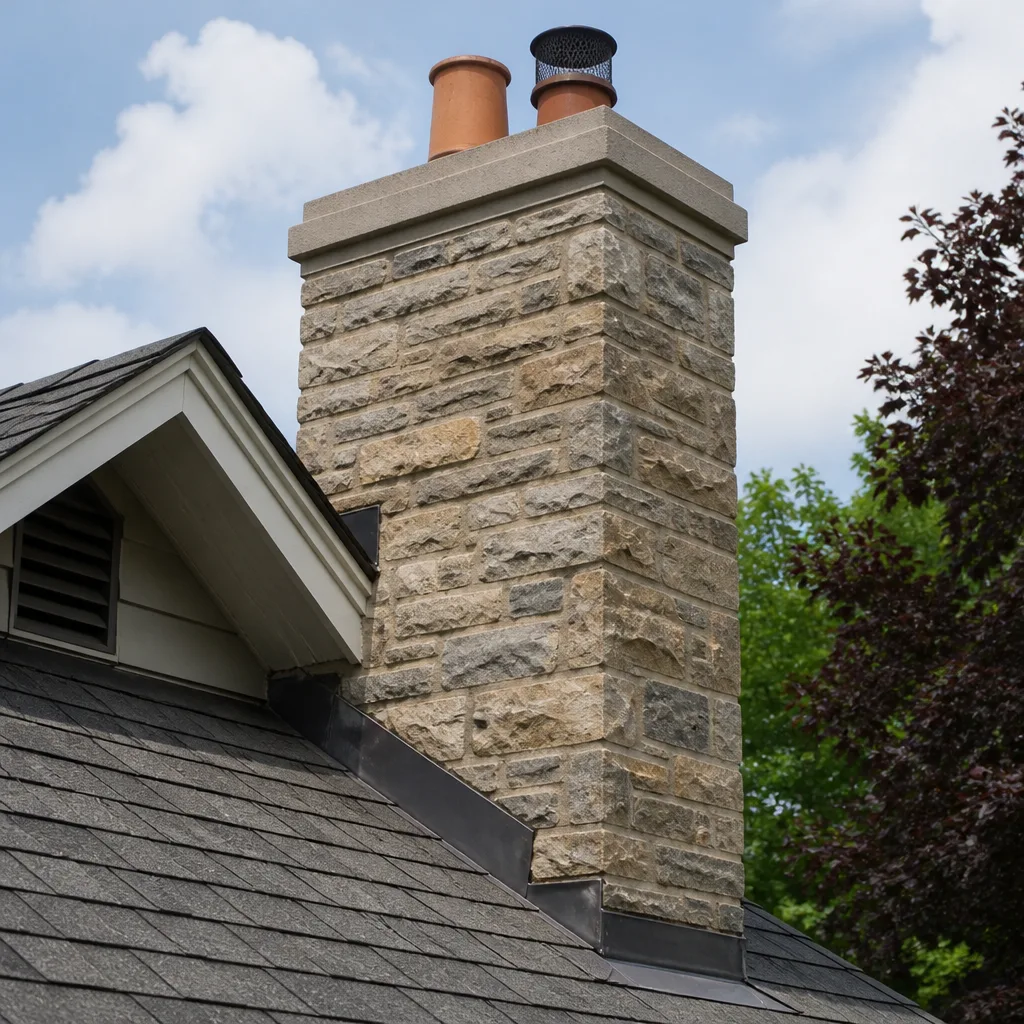 Masonry repair
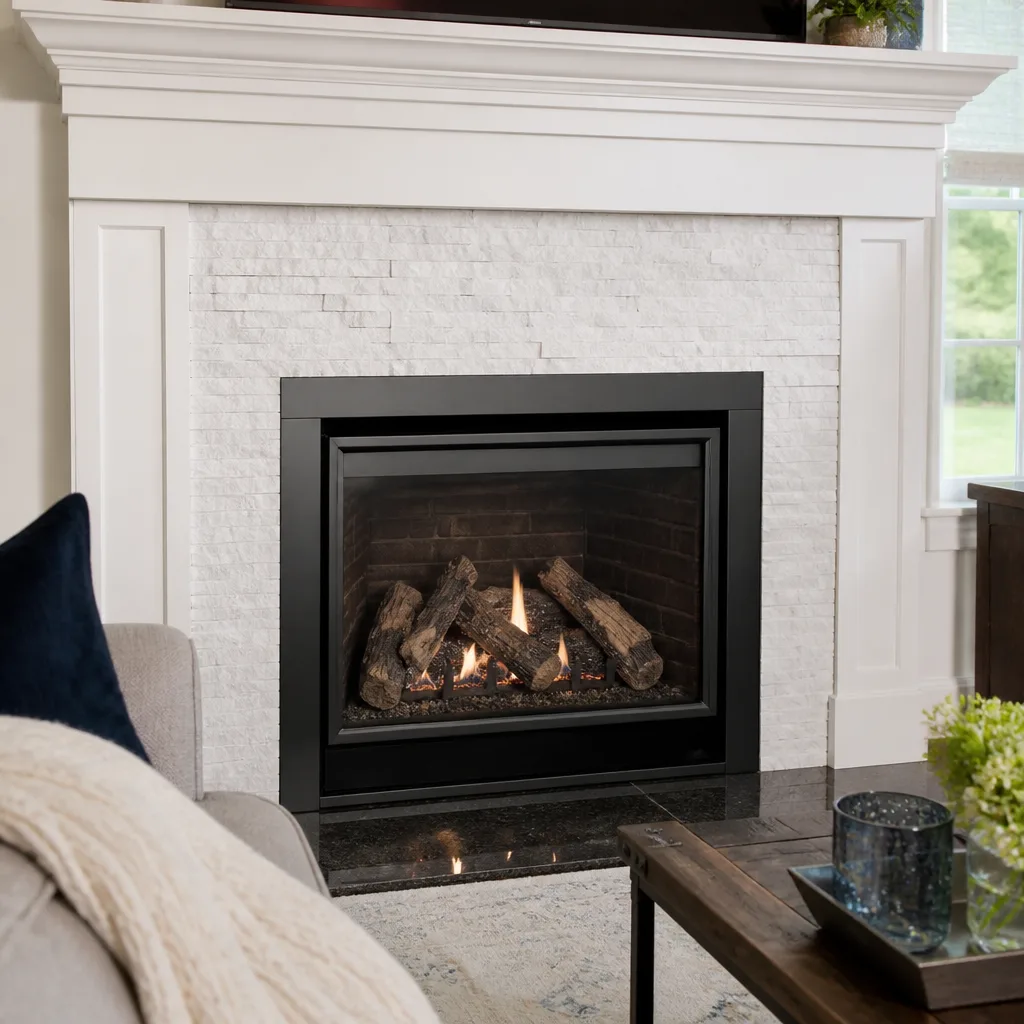 Gas fireplace service
Level 1 sweep and inspection to the NFPA 211 annual standard - flue, crown, cap, and flashing checked and photographed
Chimney sweep logs do not sweep chimneys. They loosen some creosote - which then falls where a brush and vacuum still have to collect it.
Chimney Cleaning Emergency Preparedness Guide for Gresham Homes
Most homeowners assume a chimney emergency announces itself. In our experience, it rarely does. A chimney fire can burn hot and loud enough to sound like a freight train, or it can smolder quietly behind a soot-glazed flue and go out on its own before anyone upstairs notices. Carbon monoxide gives no warning at all. The counterintuitive truth is that the first four minutes of a chimney emergency tend to decide the outcome more than the next four hours do, and almost nobody has practiced what those four minutes should look like. This guide walks through chimney fire response in order, why chimney CO events differ from furnace CO events, what a sudden draft failure means, and how to build an emergency card for your household. It’s written from Gresham, where wood heat is still common.
Quick Answer
A chimney emergency is handled in this order: stop adding fuel, close the firebox doors or damper if you can do it safely, get everyone outside, call 911, and don’t re-light the fireplace until a certified chimney professional has performed a Level II inspection. Carbon monoxide alarms triggered during a fire call for the same evacuation regardless of what the alarm display reads. A chimney that has survived a fire cannot be used again without that inspection, and no amount of visual “it looks fine” substitutes for it.
Styles & brands we work with
- Sweep & inspection
- Caps & crowns
- Flue relining
- Masonry repair
- Gas fireplace service
Table of Contents
- What Should You Do First if a Chimney Fire Is in Progress?
- Why Does Chimney Carbon Monoxide Differ From Furnace CO?
- What Does a Sudden Draft Failure During Burning Mean?
- What Is the Post-Emergency Protocol After a Chimney Fire?
- How Do Gresham Homes Prevent Chimney Emergencies?
- How Do You Build a Chimney Emergency Card for Your Household?
- What Happens After the Emergency Crew Leaves?
- Common Mistakes to Avoid
What Should You Do First if a Chimney Fire Is in Progress?
Stop feeding the fire, confirm everyone is out of the house, and call 911. Those three actions come in that order for almost every chimney fire, and everything else – closing dampers, using an extinguisher, watching from outside – is secondary. A chimney fire is a fire inside a structure that runs the full height of your home, and the fire department is the only party that can verify the fire is out at the top of the flue, not just at the firebox.
Here’s the sequence we recommend homeowners memorize:
- Stop adding fuel. Don’t put another log on. Don’t open the firebox doors wide to “check.” Cutting off air and fuel is the fastest way to bring flue temperatures down.
- Close the firebox doors and glass doors if you have them. If the fireplace has a glass-front door assembly, close it. If it has a damper and the fire is contained inside the firebox, closing the damper reduces oxygen to the flue. If there’s a roaring chimney fire, closing the damper can intensify heat in the flue, so leave that decision to the fire department if you’re not sure.
- Get everyone out of the house. Don’t gather belongings. Don’t stand in the yard under the chimney to watch flames shoot out the top. Move to the street and count heads.
- Call 911. Tell the dispatcher you believe you have a chimney fire in progress and give your Gresham address. Stay on the line until they release you.
- If the fire department isn’t coming (some slow-burning chimney fires go unnoticed until after the fact, and the homeowner only realizes hours later), don’t re-light. Treat the chimney as compromised until inspected.
One thing worth saying plainly: the “roaring freight train” sound doesn’t always precede a chimney fire. Sometimes it’s a low rumble. Sometimes there’s no sound at all and the only clue is a sudden inability to draw air from the fireplace, or a smell of creosote burning. In our experience, the most common chimney fire story is “we didn’t know it was a fire until the sweep found the damage.” That’s why the response sequence has to be practiced before you need it.
You’ll find more on the other side of this – what the chimney needs before the next burn season – on our chimney sweep page. But for now, get the response memorized. The day you need it isn’t the day to learn it.
Why Does Chimney Carbon Monoxide Differ From Furnace CO?
Chimney carbon monoxide events and furnace carbon monoxide events are both carbon monoxide poisonings, but they originate in different parts of the house, at different temperatures, and in response to different failure modes. That distinction matters because a homeowner’s mental model of “CO comes from the furnace” can cause them to dismiss a CO alarm that originates from the chimney as a faulty detector.
Here’s the comparison that matters:
- Source location: Furnace CO typically leaks from a cracked heat exchanger, a failed flue connection, or a blocked furnace flue. Chimney CO typically backdrafts down the flue and into the living space from a blocked or undersized chimney, a negative-pressure condition in the home, or a damper that got closed while the fire was still producing CO.
- Temperature: Furnace flue gases run at comparatively low temperatures. Wood fire flue gases run hot enough to warp metal, crack tile liners, and damage masonry. A furnace CO event is usually about a leak; a chimney CO event is often about a structural problem that also happens to vent gas.
- Timing: Furnace CO events can build slowly over hours as the furnace cycles. Chimney CO events can spike fast when a damper closes, when the flue is blocked by creosote or a bird nest, or when a downdraft pushes exhaust back into the room.
- Detection: Standard CO detectors respond to carbon monoxide in the air, regardless of source. A detector placed in a bedroom hallway may lag behind a detector near the fireplace because the gas may accumulate first near the source. In our experience, a CO alarm that goes off during or shortly after fireplace use should be treated as a chimney event until proven otherwise.
If a CO alarm activates, the response is the same whether the source is furnace or chimney: get out of the house, call 911, don’t re-enter until the fire department clears the structure. What changes afterward is who you call. A furnace event goes to an HVAC contractor. A chimney-sourced event goes to a chimney professional, and it needs a Level II inspection – camera and all – before the fireplace or stove is used again. A CO alarm clearing on its own is not evidence of a safe chimney. It’s evidence that the CO level dropped below the alarm threshold.
What Does a Sudden Draft Failure During Burning Mean?
A draft failure while burning means the chimney has stopped pulling exhaust up and out, and the smoke and carbon monoxide are going somewhere else – usually back into the room. That “somewhere else” is the emergency. The structural implications depend on why the draft failed, and a chimney professional is the one who diagnoses that. What the homeowner needs to do is stop burning immediately and ventilate only if it can be done without spreading smoke into bedrooms.
Draft failures we see fall into a handful of categories:
- Blockage: Creosote buildup, a bird or squirrel nest, a collapsed liner section, or a fallen cap can physically block the flue. If the chimney was drafting yesterday and won’t draft today, blockage is the first thing to rule out.
- Negative pressure: A tight house, a running kitchen or bath exhaust fan, or a dryer pulling air out of the home can reverse the chimney’s draft by starving the firebox of makeup air. In Gresham homes built in the past three decades, this is more common than owners realize.
- Cold flue: A cold chimney on a cold day can fail to draft until it warms up. This is why the first fire of the season smokes the room and later fires don’t. It’s not a fire hazard on its own, but it’s a clue that the flue may be undersized for the firebox.
- Structural failure: A cracked flue tile, a separated liner joint, or a damaged smoke chamber can change the draft pattern suddenly. This is where the “structural” part of the question comes in. A draft failure that coincides with any smell of smoke in the house or heat in the chimney chase needs to be treated as a potential structural event until inspected.
What to do if the draft fails while you’re burning:
- Open the firebox doors wide if the fire is contained and the room is safe. This may release smoke into the room but it can stop the reverse draft by restoring airflow.
- Extinguish the fire if you can do it safely. Baking soda on a small fire, or closing the doors and letting it die from lack of air. Never use water on a hot firebrick firebox; the thermal shock can crack brick.
- Get outside if smoke accumulates. Smoke contains carbon monoxide and particulates. Treat the room as unsafe until it clears.
- Don’t re-light. A draft that failed today will fail again tomorrow, and the reason needs diagnosis. This is a Level II inspection job, not a “try again later” job.
If the failure happened and the house is now cold and safe, call chimney repair for a diagnosis before the next fire. If it happened with smoke in the room and family inside, treat it as an emergency, call 911, and let them clear the structure before anyone re-enters.
What Is the Post-Emergency Protocol After a Chimney Fire?
A chimney that has survived a fire cannot be used again until it has been inspected with a Level II inspection – a camera-based examination of the flue interior. No exceptions. The gap between “the fire is out” and “the chimney is safe” is where most chimney reinjury happens, because the outside of the chimney often looks untouched while the inside is cracked, spalled, or has a warped liner.
Here’s what should happen after the fire department clears your chimney fire:
- Don’t burn anything in the fireplace or stove. Not a test fire. Not a candle. Not “just to see.”
- Schedule a Level II inspection. A Level II inspection examines every accessible part of the chimney – firebox, smoke chamber, damper, flue, cap, and crown – with a video camera running the full length of the flue. We use one because the damage isn’t visible from the top or the bottom.
- Get a written report with photos or video. You should see what the sweep sees. A verbal “looks fine” isn’t sufficient – ask for the images.
- Expect to hear one of three outcomes. Either the chimney is safe to use with no repairs, safe to use after repairs (liner, crown, cap, or resurfacing), or not safe to use until a reline or rebuild. Get the recommendations in writing before anyone starts.
- Notify your insurer. A chimney fire is a fire event. Your homeowner’s policy may have specific claim windows and coverage provisions. That’s your call to make, but it’s worth doing promptly.
- Don’t let a general contractor talk you into a rebuild before an inspection. Chimney fire damage sometimes needs a DuraFlex flexible liner system to reline a compromised flue, sometimes needs HeatShield resurfacing to restore a damaged liner without full replacement, and sometimes needs only a new cap or crown. Those are different repairs at very different costs. Demand the camera evidence first.
The inspection isn’t about upselling a liner. It’s about knowing what’s actually in your flue after a fire event. We use HeatShield because it lets us restore certain liner damage without pulling the entire flue, and DuraFlex because it’s the professional standard when a full reline is the right call. Neither belongs on your chimney based on a guess.
How Do Gresham Homes Prevent Chimney Emergencies?
Nearly every chimney emergency in Gresham traces back to a missed sweep, a worn cap, or a liner that failed quietly. Gresham’s mix of older mill-era housing and newer construction on the east side produces a wide range of chimney ages and construction types, and each one has its own prevention checklist. The wet western Oregon winters matter too: rain intrusion through a missing or damaged cap is one of the most common causes of chimney deterioration we see, and a crown crack left unrepaired through a rainy season becomes a much more expensive repair by spring.
The prevention framework we recommend to every Gresham homeowner:
- Sweep annually if you burn wood regularly. Creosote accumulates at the rate of roughly a quarter-inch per cord of wood in a typical wood stove installation. Once it reaches the glazed, hard stage, sweeping gets harder and the ignition risk rises. Annual sweeping keeps the flue clear.
- Get a Level I inspection with the sweep. Level I inspections are visual and cover what’s visible without tools. They catch loose caps, cracked crowns, and obvious damage before they become emergencies.
- Sweep before each heating season, not after. The most dangerous sweep is the one that happens in January after the flue has already been loaded. Scheduling the sweep in late summer gets the flue ready for the first cold snap.
- Check the cap after every windstorm. Gresham gets serious winter wind. A cap that’s loosened or torn away is an open invitation to rain, birds, and debris. We install Gelco and Copperfield caps because they hold up to the wet climate.
- Know your flue type. A wood-burning fireplace has different sweeping needs than a wood stove insert or a gas insert. A gas insert has no creosote, but it can collect dust and needs its own service schedule. A wood stove insert gets hot enough to glaze creosote faster than an open fireplace.
- Never burn unseasoned wood. Wet wood produces more creosote. Split and stack firewood a full year before burning, and keep it covered.
- Watch for the quiet signals. A smell of smoke in the house after the fire has been going for twenty minutes, a fire that’s harder to start than it used to be, or a visible change in the flame pattern – all of these justify a call before the next burn.
We serve all of Gresham, and we schedule sweeps so that the first cold snap finds the flue ready instead of loaded. If your chimney has never been swept or you can’t remember the last time it was, that’s the call to make. Call (833) 538-5519. We answer 24/7. Fast dispatch from 7am to 7pm, Sunday through Friday.
How Do You Build a Chimney Emergency Card for Your Household?
An emergency card is a single sheet, taped inside a kitchen cabinet door or kept in the drawer closest to the fireplace, that tells anyone in the household exactly what to do in a chimney emergency. It works because it removes the thinking step on the day you need it. Every member of the household should be able to find it and read it. Kids old enough to call 911 should know its location.
Here’s what to put on it:
- Address – so anyone calling 911 can read it off without guessing. Street number, street name, city (Gresham), and any cross street landmark that helps a responder.
- What a chimney fire looks like – a roaring sound, a hot chimney chase, smoke coming out the top, or a sudden failure to draft. List two or three sentences a child could read.
- The three-step response – stop adding fuel, get everyone outside, call 911. Put it in large print.
- Where the fire extinguisher is – and its type. Class A extinguishers for solid-fuel fires. Not water on a hot firebox.
- The gas shutoff – if the home has a gas insert, list the location of the gas shutoff valve. If it’s a wood-only fireplace, list the wood sources and storage location anyway so a fire department can secure the area.
- Carbon monoxide alarm locations – list where every alarm is mounted in the home. Know which alarm speaks to which part of the house.
- Who to call – the sweep’s number, the fire department’s non-emergency number, and the gas company’s emergency line.
- The last sweep date – so any caller can give a professional the basic facts without a search through the file cabinet.
One detail worth including: an emergency card should also list the chimney’s sweep and inspection history going back a few seasons. When a professional shows up after an event, having the last two or three inspection reports in the same folder saves diagnostic time. The card isn’t the same as the file, but the card should point to the file.
We’ve written the response sequence above so it prints cleanly on a single letter-size page. Copy it, tape it inside a cabinet, and make sure every person in the household knows it exists. A card that sits in a drawer nobody opens isn’t an emergency card. It’s paper.
What Happens After the Emergency Crew Leaves?
Once the fire department clears the scene, the homeowner is usually left holding a cold fireplace, a smoking smell in the house, and no clear next step. The professional response falls into a predictable pattern, and understanding it will keep you from getting talked into the wrong repair.
Expect this sequence:
- A sweep and inspection within the first week. The chimney needs camera inspection before it heats up again. A Level II inspection covers the firebox, smoke chamber, damper, flue, cap, and crown, and produces photo or video evidence.
- A written repair recommendation – with the specific repair options and the reasoning behind each. If a liner is damaged, one option is HeatShield resurfacing to restore the liner in place. If a liner is missing or already compromised in multiple sections, the option is a DuraFlex flexible liner system installed as a full reline. If the cap was destroyed or displaced, replacement with Famco or Copperfield hardware usually follows.
- A cost discussion in writing. The written estimate sets the final price. No verbal “should be around” numbers, ever. Everything in writing before the work starts.
- The repair itself – scheduled, not emergency, unless the inspection finds something that requires immediate stabilization (a collapsed crown, for example, or active water intrusion).
One thing we’re strict about: we don’t recommend a liner based on a guess. The camera tells us what’s in the flue, we show the homeowner the images, and the recommendation follows from that. Sometimes the recommendation is “the chimney is fine, just get it swept.” Sometimes it’s a crown repair. Sometimes it’s a full DuraFlex reline. Those are different conversations, and the homeowner should be able to see which one they’re in.
We work with Olympia Chimney for components and Famco for caps and ventilation hardware because those are the brands that hold up in our climate. If a job needs a liner, DuraFlex is the standard. If it needs resurfacing, HeatShield is the tool. The point is to use the right material for the diagnosis, not to push a brand regardless of what the flue actually looks like.
Common Mistakes to Avoid
- Putting water on a hot firebox fire. A fire in the firebox is contained by firebrick, and the firebrick can crack when cold water hits it. It’s also not a chimney fire; it’s a fire in the firebox. Use an extinguisher or starve the fire of air.
- Believing a quiet chimney fire is a safe chimney fire. Slow-burning chimney fires do less visible damage but still crack tiles and warp liners. If a chimney fire happened, whether it made the news or not, run the inspection.
- Re-lighting after a draft failure. A chimney that failed to draft once will fail again. Repeated attempts push smoke into the room and delay the diagnosis.
- Trusting the visual inspection alone after a fire event. A Level I visual inspection cannot see cracked flue tiles behind a soot glaze. A Level II with a camera is the correct standard after a fire.
- Skipping the cap because “it’ll be fine this season.” In Gresham, a missing or loose cap means rain, debris, and bird nests in the flue. That’s how chimneys end up failing not in fire but in water damage, and water damage leads to a repair that costs more than the sweep and cap would have.
- Letting a general contractor handle a chimney repair. A chimney has specific requirements – flue sizing, liner material, crown construction – and a generalist who shows up with a caulk gun and a can of mortar isn’t going to get it right. Chimney specialists use HeatShield, DuraFlex, Gelco, Famco, Olympia Chimney, and Copperfield because those are the materials that hold up.
- Calling a sweep only after something goes wrong. The sweep is cheaper than the repair. The repair is cheaper than the rebuild. Get the sweep on the calendar before the first cold snap, not after the first fire.
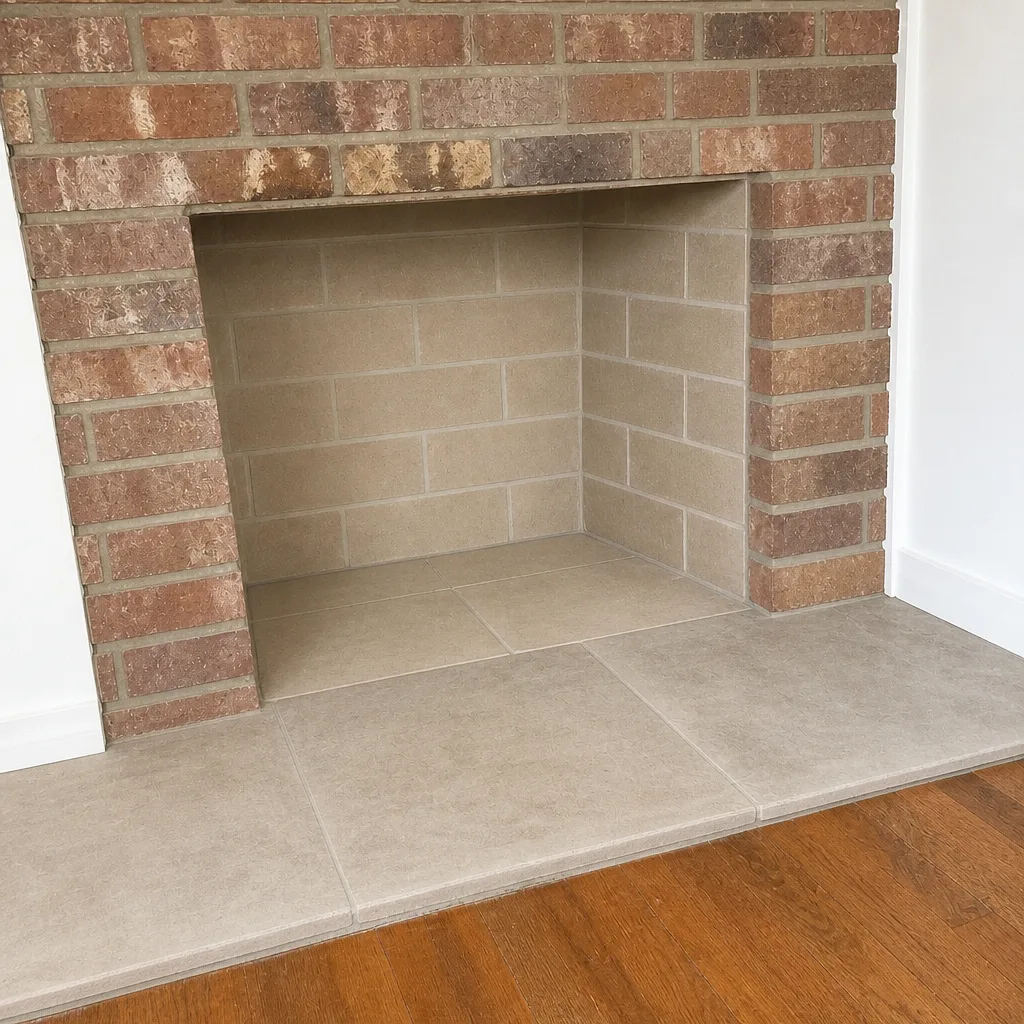
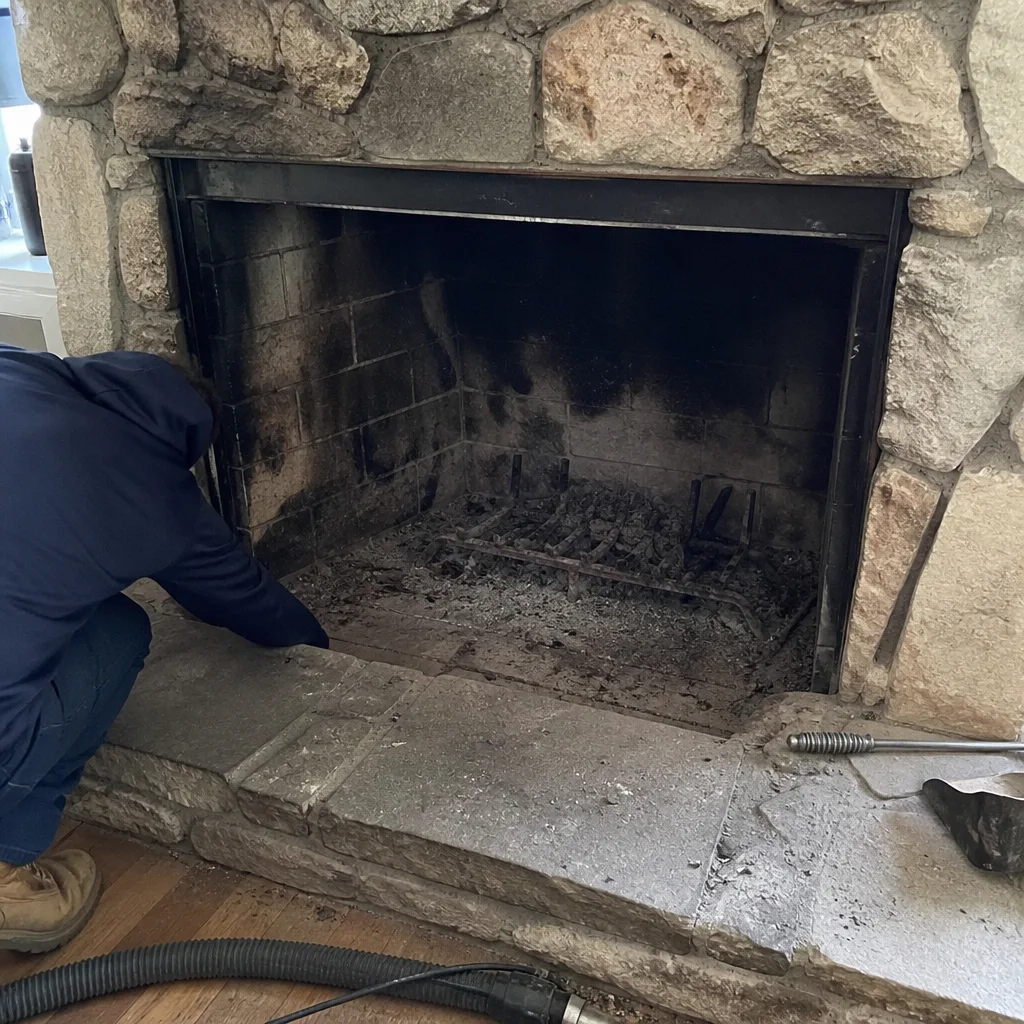
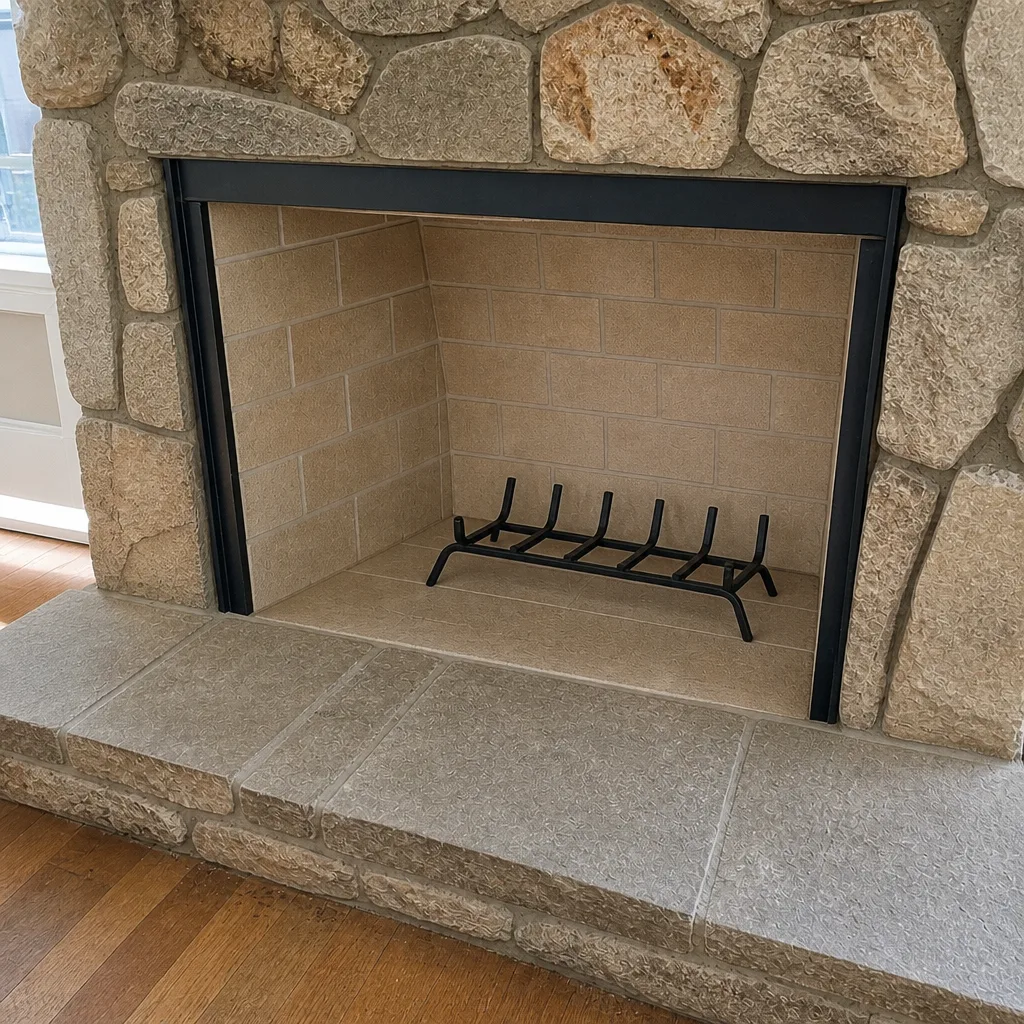
See the difference
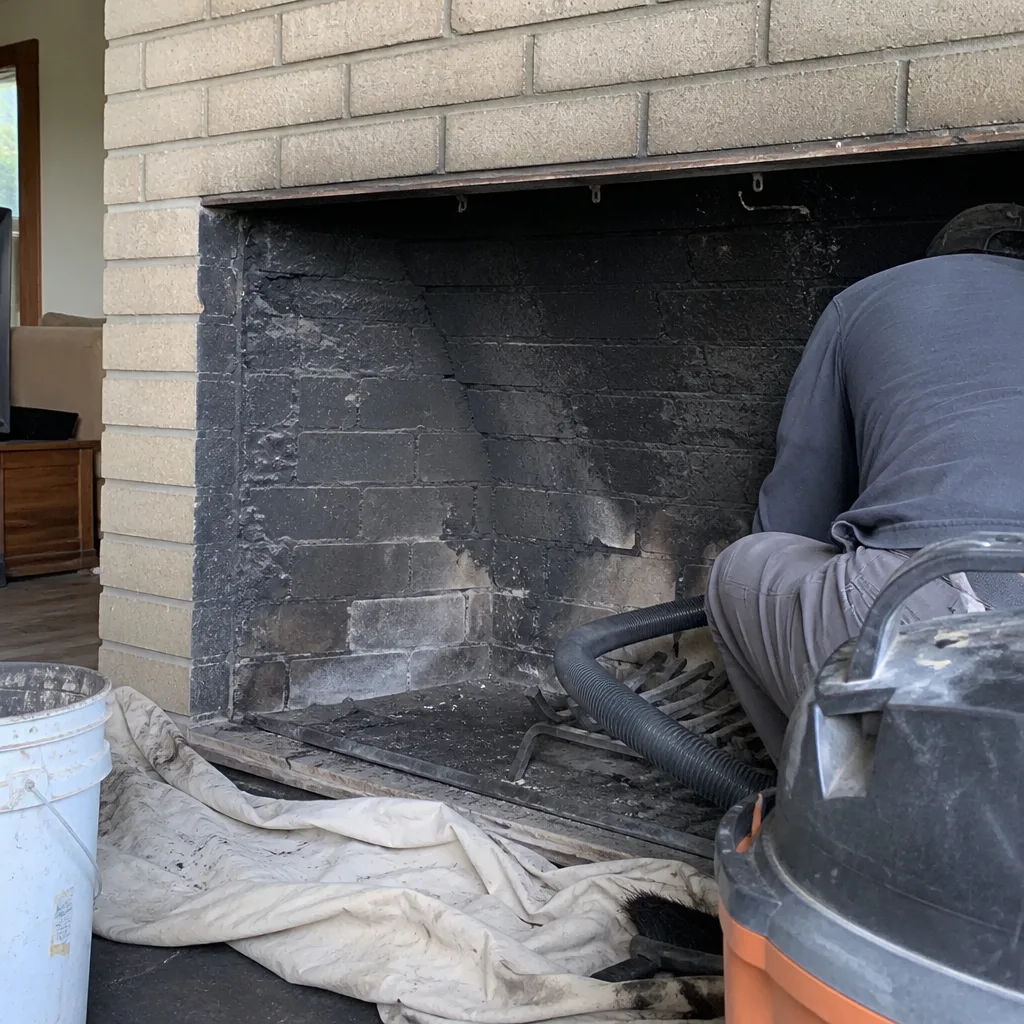 Before
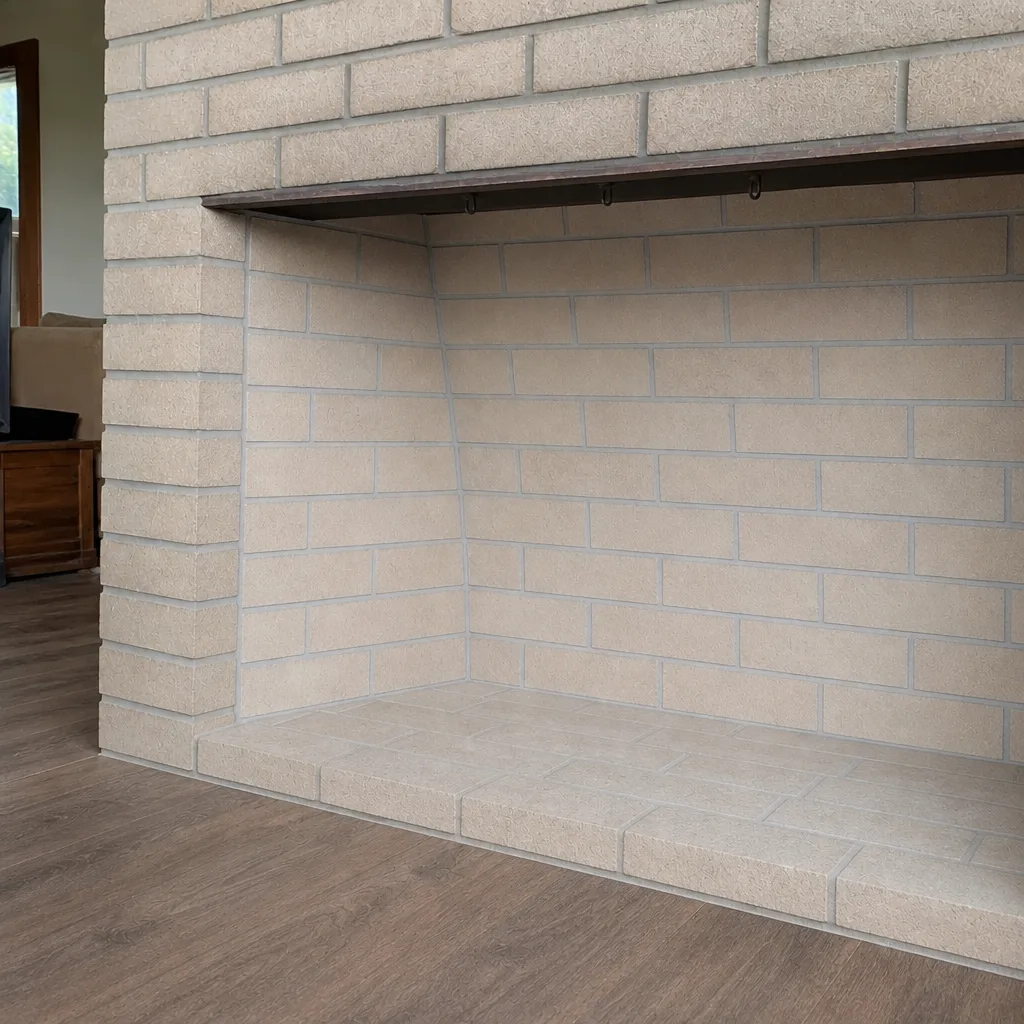 After
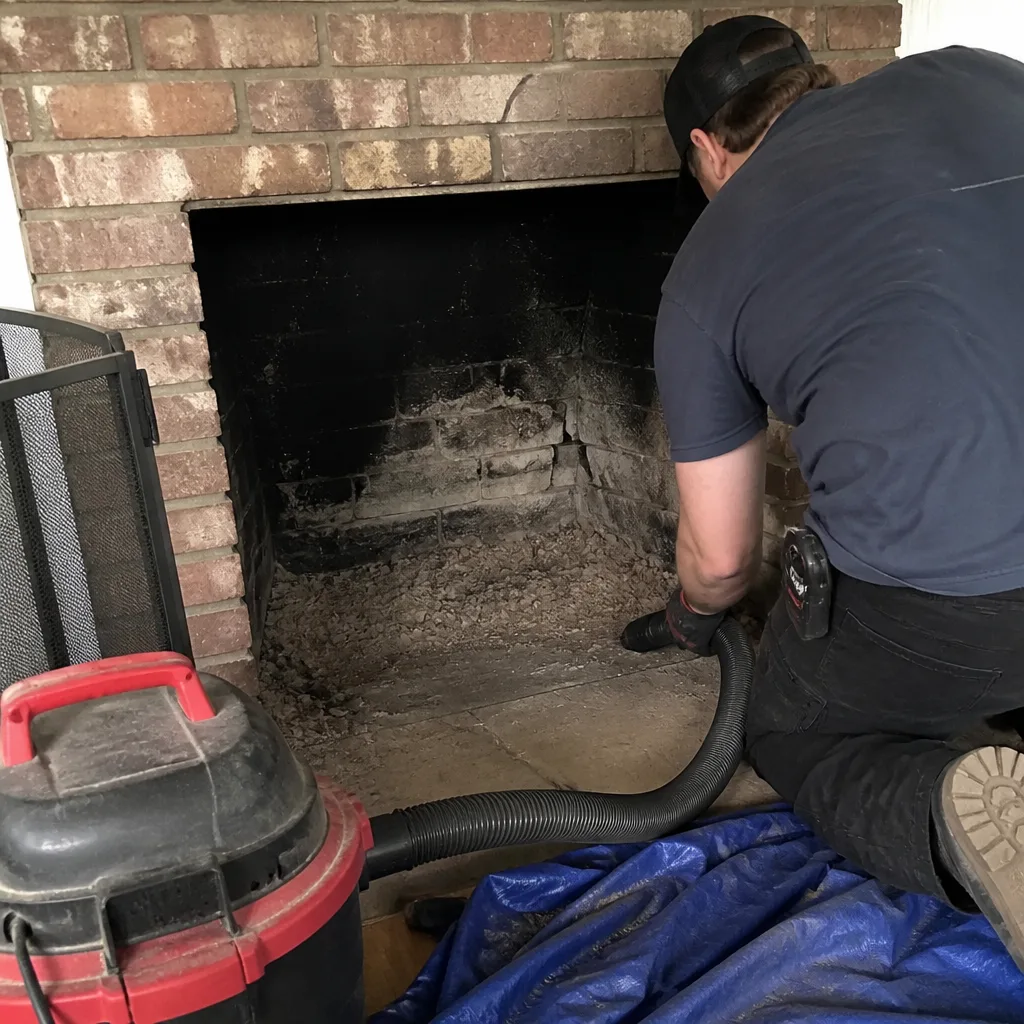 Before
 After
 Before
 After
When to Call a Professional
Call a chimney professional before the next fire in these scenarios: after any chimney fire (even a quiet one), after a CO alarm triggered during or just after fireplace use, after a draft failure that put smoke into the room, after any winter storm strong enough to displace the cap, and after any inspection that found visible interior damage. Our technicians have up to 14 years of experience across fireboxes, flues, and liner systems, and we can tell you quickly whether the chimney is safe. Gresham Chimney Sweep offers free estimates in Gresham. Call (833) 538-5519. We answer 24/7. Fast dispatch from 7am to 7pm, Sunday through Friday.
Frequently Asked Questions
A chimney fire can go from a low rumble to a full chimney fire in minutes once the creosote at the top of the flue ignites. That’s why the response sequence – stop feeding the fire, get everyone out, call 911 – is designed to be executed in that order without waiting to decide. The critical window is small, and the actions are what matter, not the diagnosis. Call (833) 538-5519 for an inspection before the next burn – estimates are free.
Yes, and that’s exactly why quiet chimney fires damage so much. Once the creosote burns off, the fire can self-extinguish, but the heat it produced still cracks flue tiles, warps metal liners, and can leave the chimney structurally compromised. A chimney that survived the fire without anyone noticing doesn’t need less inspection; it needs the same Level II inspection. Call (833) 538-5519 to schedule one – estimates are free.
No. In our experience, the loud roaring chimney fire is the story people tell, but a slow, hot fire that burns quietly behind a thick creosote glaze is at least as common. The quiet ones are often discovered during a routine sweep when the technician sees cracked tile or a warped liner. If you suspect any chimney fire happened, get an inspection before re-lighting. Call (833) 538-5519 – estimates are free.
Once a year if you burn wood regularly, and once a year anyway if you burn occasionally and want an inspection each season. The sweep clears creosote; the inspection catches structural damage before it becomes an emergency. Gresham’s wet climate adds a second reason to stay on schedule: caps, crowns, and flashings take damage from rain, and a small repair in spring becomes a large one by winter. Call (833) 538-5519 to get the sweep on the calendar – estimates are free.
Skipping the Level II inspection after a fire event means using a chimney whose interior hasn’t been verified. Cracked tiles let carbon monoxide into the chimney chase. A warped liner loses its clearance to combustibles. Neither of these failures announces itself on the outside of the chimney, and the next fire is the test. Call (833) 538-5519 for the inspection first – estimates are free.
Not always. In our experience, the answer depends on what the camera finds. A liner with localized damage may be a candidate for HeatShield resurfacing instead of a full reline, and a liner that’s comprised across multiple sections needs a DuraFlex flexible liner system installed as a full replacement. The recommendation should follow the image evidence, not precede it. Call (833) 538-5519 for an inspection and a written recommendation – estimates are free.
The Bottom Line
Chimney emergencies in Gresham are mostly preventable, but preparation matters. Memorize the response order: stop feeding the fire, get everyone outside, call 911. Build the emergency card so the household knows it before the day it needs it. Treat every chimney fire – loud or quiet – as a Level II inspection event, regardless of how the chimney looks from the outside. And keep the annual sweep on the calendar so the flue is clean going into the burning season, not loaded. That’s the whole guide compressed into four sentences, and it covers more than any single repair will. If you want a free estimate on a sweep or inspection, or want a second opinion on a repair someone else recommended, we can help. Call (833) 538-5519. We answer 24/7. Fast dispatch from 7am to 7pm, Sunday through Friday. Prefer to read up first? Start with Gresham Chimney Sweep and work through the rest at your pace.
Written by the team at Gresham Chimney Sweep.