
Last updated November 16, 2026
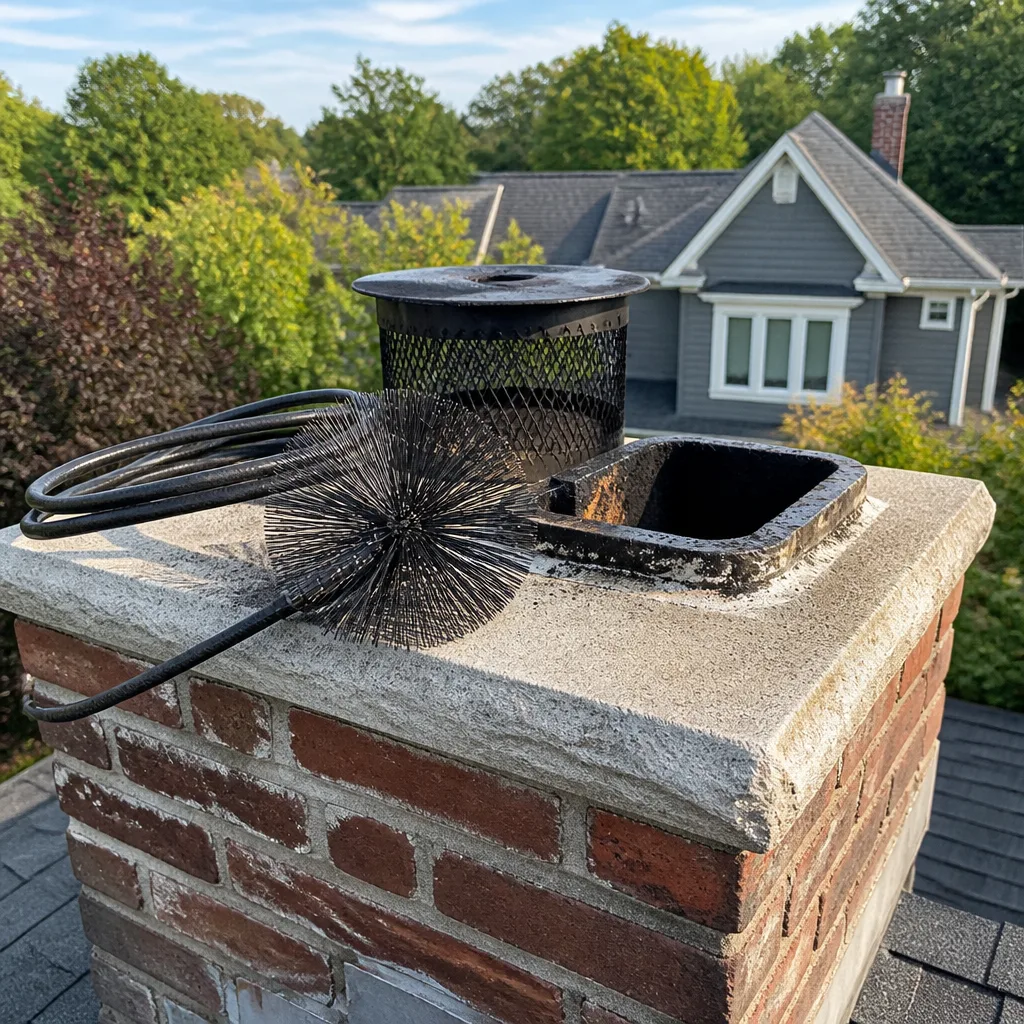 Sweep & inspection
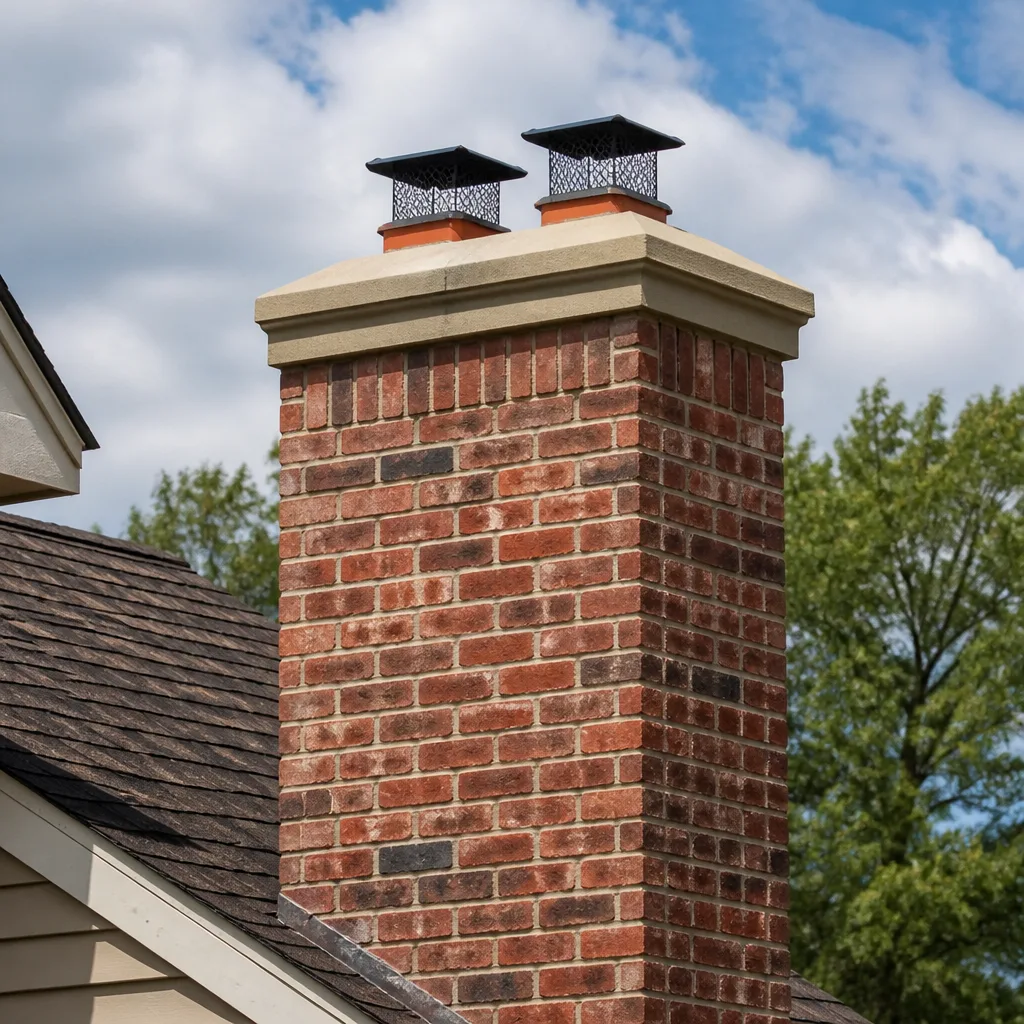 Caps & crowns
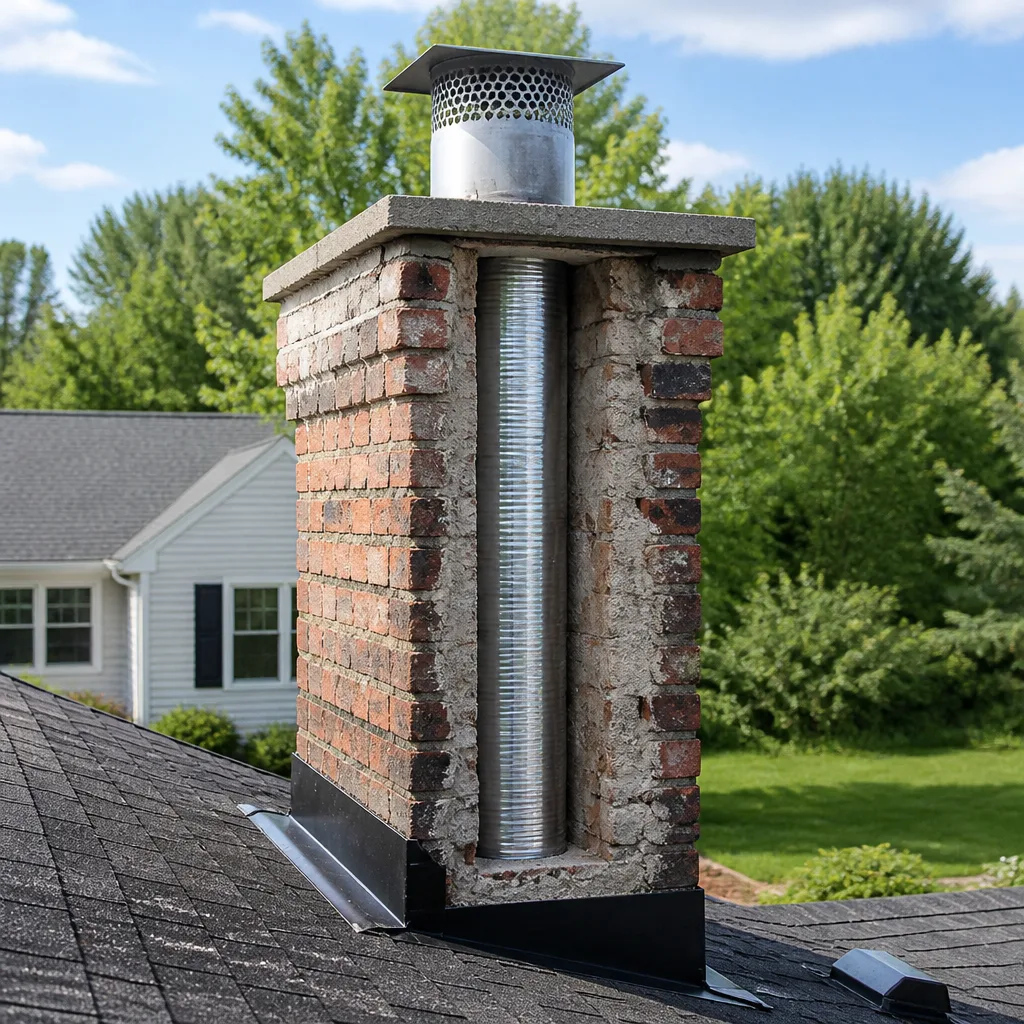 Flue relining
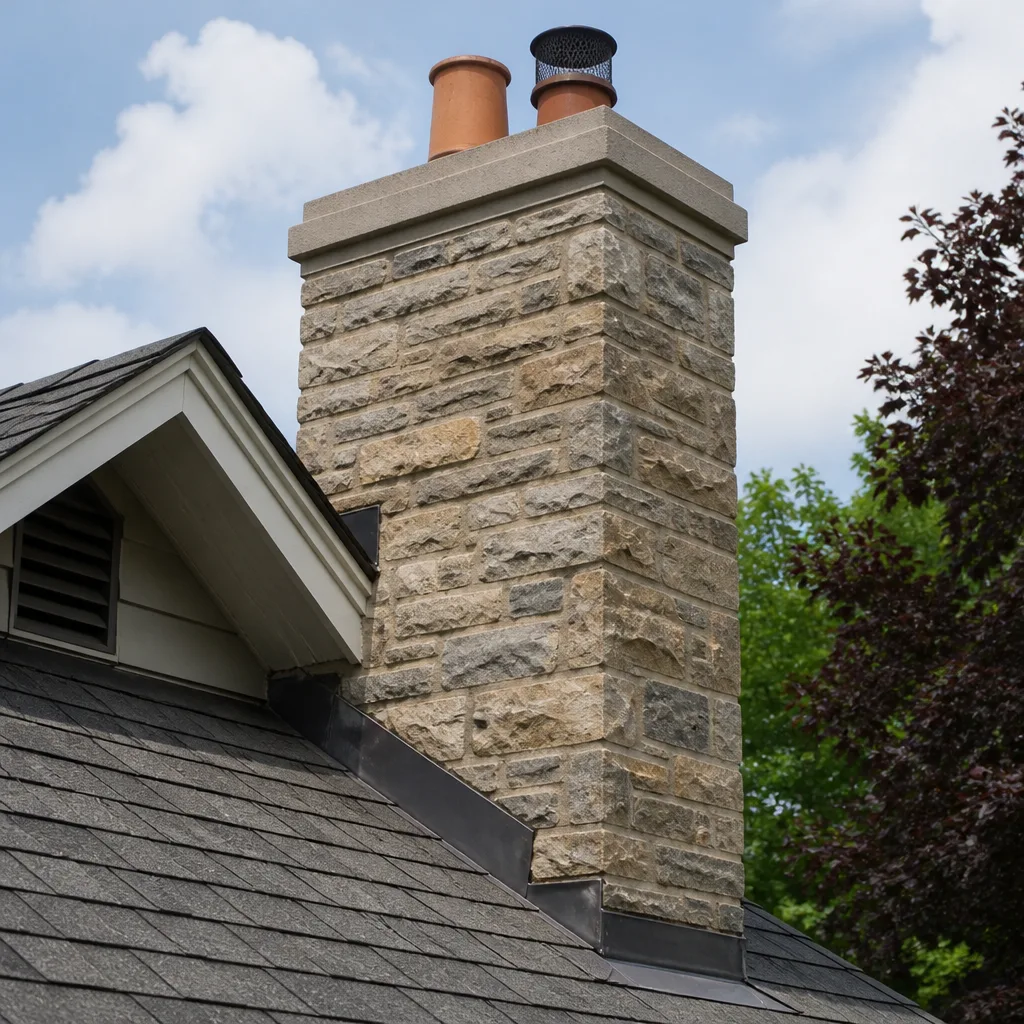 Masonry repair
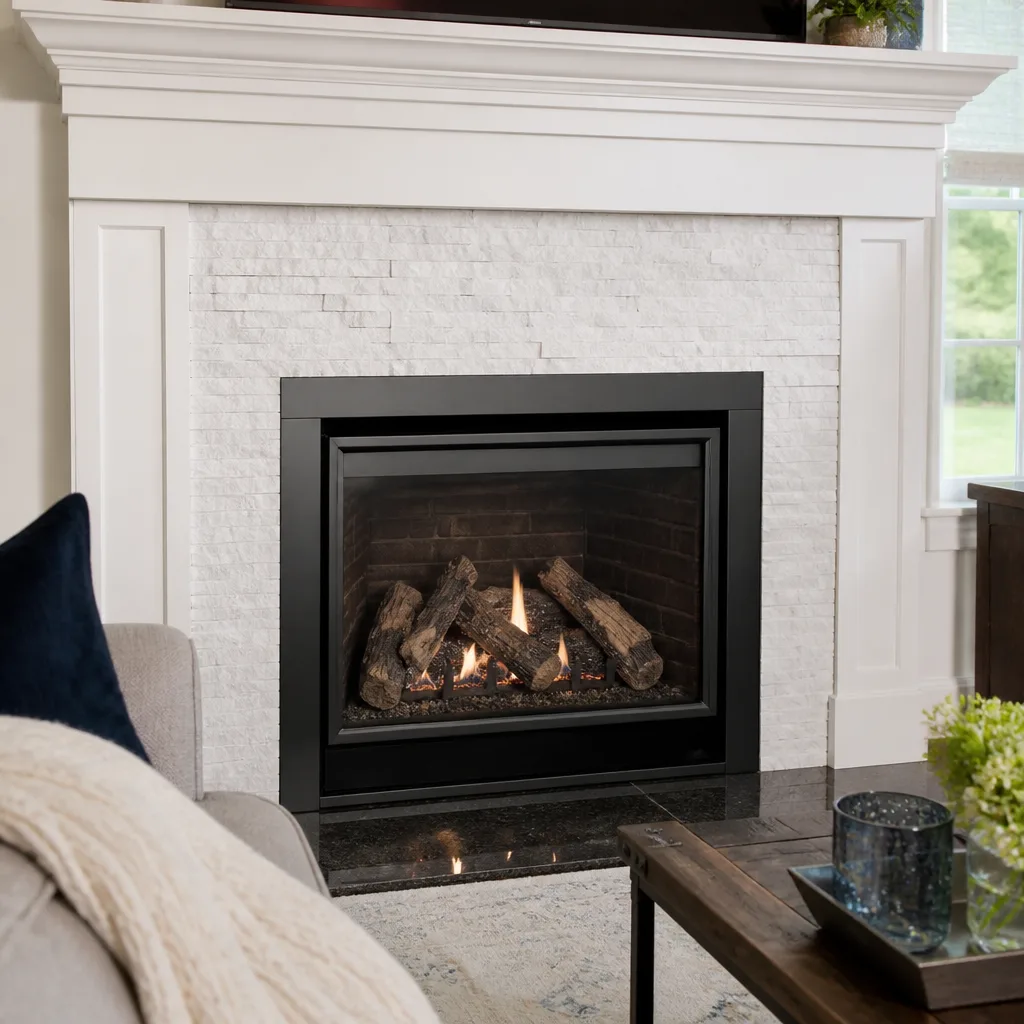 Gas fireplace service
Level 1 sweep and inspection to the NFPA 211 annual standard - flue, crown, cap, and flashing checked and photographed
Chimney sweep logs do not sweep chimneys. They loosen some creosote - which then falls where a brush and vacuum still have to collect it.
Seasonal Chimney Cleaning Care for Gresham: Year-Round Homeowner’s Guide
Most homeowners think about their chimney twice: the first cold night in October and the day the sweep appointment crosses their mind. That rhythm gets the year wrong. In Gresham, a chimney takes more structural punishment from April through September than it ever does in the burn season. Rain water runs down an uncapped flue, mortar soaks it up, and a masonry stack sits damp for months behind a closed damper while the house above it looks fine. Nothing smokes. Nothing smells. The chimney just quietly gets worse. This guide maps a full year of chimney care against the climate Gresham actually has, so you know what to check, when to book it, and what to ignore until next season.
Quick Answer
The most urgent chimney appointment in Gresham is the spring sweep and inspection, not the fall one. Cleaning after the burn season clears the creosote that’s been sitting all winter and lets a technician examine the flue, crown, and cap before summer rain works into any crack. Fall care then focuses on confirming the chimney is dry, screened, and ready before the first fire.
Styles & brands we work with
- Sweep & inspection
- Caps & crowns
- Flue relining
- Masonry repair
- Gas fireplace service
Table of Contents
- Why Spring Cleaning Matters More Than Fall in Gresham
- A Month-by-Month Chimney Care Map for Gresham’s Climate
- What Happens Inside a Masonry Chimney During a Wet Gresham Summer
- Preparing Your Fireplace for the Off-Season
- The Fall Pre-Burn Checklist
- How Often Should You Book a Sweep and Inspection?
- What Chimney Care Typically Costs in the Gresham Market
- Winter Habits That Protect the Chimney You Maintained
Why Spring Cleaning Matters More Than Fall in Gresham
Most homeowners book a chimney sweep in October because that’s when the fireplace gets used again. It’s the natural instinct, and it’s exactly backwards for the climate here. By the time October arrives, a chimney that has been wet since June has already had four or five months to let moisture work into mortar joints, the smoke chamber, and the top of the flue. The damage is done before the season that “matters” starts.
A spring sweep does two things a fall sweep can’t. First, it clears the winter’s creosote while it’s still fresh and before months of humidity soften and swell it against the liner walls. Second, and more importantly, it puts a trained eye on the chimney at the point in the year when problems are visible and small. A hairline crack in the crown in May is a repair. The same crack in November has usually been absorbing water for half a year and is now a rebuilt crown.
Gresham’s climate drives this. This is a wet part of the Pacific Northwest – rain distributed across most of the year, damp air that lingers, and summers that are cooler and more humid than homeowners from drier parts of the country expect. Chimneys here don’t dry out the way they do in Bend or Boise. Moisture that gets into masonry in this climate does not simply evaporate by August. It stays.
In practice, the calendar that serves Gresham chimneys best looks like this:
- Spring (after the last fire): the full sweep, the inspection, the repair decision.
- Summer: dry-time repairs, cap and crown work, and keeping the flue closed to weather and animals.
- Early fall: a quick safety confirmation before the first burn.
- Winter: careful burning habits that keep creosote and moisture down.
One appointment moved from fall to spring changes the whole arc of the year. We’ve seen how much less repair work a chimney needs when its problems are caught in May rather than discovered in October.
A Month-by-Month Chimney Care Map for Gresham’s Climate
Generic seasonal advice tells you to “sweep in fall.” That advice was written for a national audience and it doesn’t fit a wet Northwest climate. Here’s a task map built around the weather Gresham actually gets, and the housing stock here – a lot of it older masonry, a lot of it on sloping lots where water runs toward the chimney rather than away.
- January and February – burn season peak. Burn dry, seasoned wood. Watch for smoke rolling back into the room, which signals a draft or blockage problem worth a call. Keep the damper open long enough at the end of a fire to let the flue warm down slowly, which limits condensation inside the liner.
- March and April – the transition. As burning tapers, this is the window to book the spring sweep. Rain is still frequent, so check the cap and crown visually from the ground after heavy weather. If you see a shifted cap or a chunk of mortar on the roof below the stack, don’t wait for autumn.
- May and June – the structural inspection window. This is the best month of the year for an inspection and any needed chimney repair, because a technician can identify moisture damage before summer sets it. Any tuckpointing, crown sealing, or liner assessment belongs here.
- July and August – the dry repair window. Masonry work and sealants cure best in the driest stretch of the year. If you’ve deferred a crown repair or a cap replacement, this is when it should happen.
- September – the pre-burn confirmation. Before the first fire, confirm the flue is clear, the cap is intact, and no bird or squirrel has taken up residence. Book a quick inspection if anything looks off.
- October through December – the burn season. Use the year’s maintenance. Burn dry wood. Keep an eye on draft and smoke behavior. Book next spring’s sweep before the calendar fills.
The logic behind all of this is simple: repairs last longer when they’re done in dry weather, and problems are cheaper when they’re found in spring. A chimney in Gresham that gets a spring inspection every year rarely surprises its owner in winter.
What Happens Inside a Masonry Chimney During a Wet Gresham Summer
Here’s the part that surprises most homeowners: nothing dramatic happens inside a damp chimney over the summer. That’s the problem. Damage in a wet climate is cumulative and quiet. There’s no smoke, no obvious smell, no event you could point to and say “that’s when it happened.”
During a Gresham summer, a masonry chimney goes through repeated wet-dry cycles that most homeowners never see from the living room. Rain hits the crown and the top of the stack. It soaks into mortar joints and any hairline cracks. The masonry absorbs what it can and the rest runs down the inside of the flue. On a cool night, that moisture condenses on the inside face of the liner. On the next warm day, some of it evaporates and some of it doesn’t.
Over enough of these cycles, three things happen:
- Mortar joints soften and erode. Freeze-thaw in late winter and early spring widens cracks that started as moisture channels. Once a joint starts to fail, water gets in faster next time.
- Clay tile liners spall. Moisture absorbed into a clay tile forces flakes off its inner face when it expands. Flaking tile is the beginning of a liner problem, and a rough liner surface gives creosote more to cling to next burn season.
- The smoke chamber and damper corrode. Metal damper assemblies sitting in humid, close air through a wet summer rust faster than they would in a dry climate. A stiff or stuck damper in October often traces back to a damp June.
HeatShield resurfacing is one answer to a liner that’s starting to show this kind of wear. Rather than replacing a full liner, the system restores the inner face where the damage is caught early. It won’t fix a liner that’s already crumbling, but it’s a genuine option for a chimney in the middle of the problem – and many sweep-only companies simply can’t offer it. If your liner is past resurfacing, a professionally installed DuraFlex flexible liner system restores the flue to a sound, uniform surface. The point isn’t to sell a repair. It’s that the spring inspection catches a liner while either route is still open.
Preparing Your Fireplace for the Off-Season
Shutting the fireplace down for summer is not a matter of just stopping the fires. A chimney left open to weather and animals through a Gresham spring and summer comes back in worse shape than it went in. Preparing it for the off-season is roughly fifteen minutes of work and prevents most of the problems that turn into spring repairs.
- Do the last sweep while the firebox is still clean-dry. This is the ideal moment – before the chimney sits, so creosote doesn’t have months to settle into the liner.
- Close the damper after the last fire cools fully. An open damper is an open door for moist air, insects, and small animals to move through the flue into the house.
- Check the chimney cap. A cap that’s missing, rusted through, or torn will let water and wildlife straight down the flue. Caps and covers from Gelco, Famco, and Copperfield protect the whole flue top, not just the opening, and any cap replacement is worth doing in the dry window.
- Look at the crown from the ground. Cracks wider than a hairline should prompt a call. A crown that’s failing is the single most common entry point for water into a chimney.
- Seal the firebox opening with a screen or glass doors. It keeps dust, insects, and animals out and stops household air from being pulled up through the flue when you’re not using it.
- Look up after heavy storms. Anything that looks shifted on the roof near the chimney, or debris on the roof below it, warrants a look before fall.
If a bird or squirrel has gotten in – which happens often when a cap has failed – the flue needs to be cleared by a professional before the next fire. It’s not a job to run a broom up from the firebox and hope for the best. Whatever’s up there will come down, and not necessarily where you’d like it to.
The Fall Pre-Burn Checklist
By the time the first fire is on your mind, most of the work for the year is already either done or deferred. The fall itself doesn’t need a full sweep appointment if the spring one happened. It needs a short, honest confirmation that nothing has changed since May. Here’s what that looks like.
- Look at the firebox interior. Any fresh cracks in the firebrick, or rust on the damper, are worth a call before you light a fire.
- Check the flue is clear. Shine a light up from the firebox and confirm you can see daylight at the top. If you can’t, don’t burn until someone has checked – a blocked flue sends carbon monoxide straight back into the house.
- Confirm the cap is intact and screened. A missing screen means a nest can appear any week of the season, and a blocked flue is the most serious safety scenario you can walk into.
- Check the draft with a small test fire. Smoke that rolls back into the room before the flue warms is a warning. Give it a minute for the flue to draw. If it keeps backdrafting, that’s a call, not a habit to adapt to.
- Inspect the roof-edge and stacked wood. Wood stacked against or below the chimney height is a fire hazard. Move it well clear before the season starts.
- Book the spring sweep now. Booking the maintenance appointment before the season is the step most homeowners skip – the same step that moves repair costs from big to small.
If everything on the list passes, you’re ready to burn. If anything fails, it’s worth a professional look before the first fire, not after. The reason isn’t alarmism. A chimney that’s drawing and clear works well. A chimney with a partial blockage doesn’t announce itself. It just gives you an odd smell, or a slight smokiness, or a fireplace that sometimes backdrafts on a windy day. In Gresham we see plenty of fall where the only real correction was a cap and a clear flue.
How Often Should You Book a Sweep and Inspection?
Once a year is the working standard for a chimney in regular use, and a spring appointment serves both the cleaning and the inspection in one visit. That’s the simple answer and it holds for most Gresham homes. What matters is what “regular use” means for your setup.
- Wood-burning fireplace in regular winter use: once a year, spring preferred. Book more often if you burn green wood or burn hard every night.
- Wood stove or insert run continuously: once a year at minimum, sometimes twice if you’re burning many cords. A restricted flue creates creosote faster.
- Gas insert or gas log set: still requires an annual inspection. Gas burns cleaner, but venting, the cap, and the flue condition still need checking once a year.
- Fireplace that goes unused most of the year: an inspection every year or two is still worth doing – the wet-season damage described above happens whether or not you burn.
- After any chimney fire, storm event, or visible masonry change: immediately, regardless of the calendar.
Clients often ask what “inspection” actually covers, and it’s a fair question. A chimney inspection isn’t a sales visit. It’s a look at the whole system – the firebox, damper, smoke chamber, flue interior, crown, cap, and exterior masonry – with findings you can see and a clear explanation of what needs doing, what can wait, and what’s cosmetic. If a technician ever tells you a liner needs replacement, ask to see the camera footage. In our experience, the honest answer is usually “yes, here’s what I’m seeing,” and it’s fine to ask.
What Chimney Care Typically Costs in the Gresham Market
Costs vary by chimney, by access, and by what the inspection finds, so treat any number as an estimate and not a quote. The written estimate on the day sets the final price. Here’s how the components usually stack up in the Gresham area.
- Standard chimney sweep: typically $180 to $320 for a clean inspection-ready sweep, more if the firebox or flue is heavily soiled or if access is difficult.
- Level 2 camera inspection: typically $250 to $450, often combined with a sweep. A closed-circuit camera and a written report is what makes the difference between “you need a liner” and evidence you can see.
- Crown repair or recapping: typically $300 to $800, depending on whether the crown can be sealed or needs rebuild.
- Chimney cap and screen replacement: typically $180 to $500, depending on the cap and the flue setup.
- HeatShield liner resurfacing: typically $1,200 to $2,900, a middle route between leaving a rough liner alone and a full reline.
- DuraFlex flexible liner installation: typically $2,800 to $6,500, depending primarily on flue length and configuration.
Two things are worth saying about these numbers. First, the ranges are what we’d estimate here and not a schedule of prices – a chimney with a difficult roof pitch, a full-height masonry stack, or a firebox that needs rebuild work will land higher. Second, a lot of what you’ll pay for in a given year is dictated by what the spring inspection finds. A chimney that’s been checked every spring tends to stay in the low-cost tier. A chimney that’s been ignored for several seasons tends to arrive in the big-repair tier in a single visit.
Winter Habits That Protect the Chimney You Maintained
Maintenance done in spring and fall only holds up if the burn season treats the chimney reasonably. Most of the calls we get about a “sudden” creosote problem trace back to a habit rather than a defect. Here’s what winter looks like when the chimney is being protected, not just used.
- Burn seasoned wood. Wood with high moisture content sends water vapor up the flue, cools the liner, and creates far more creosote. Dry, split, seasoned wood is the single biggest creosote lever a homeowner has.
- Don’t over-fire or smolder. A hot, bright fire with good draft burns cleaner than a slow, smoldering one. The smolder creates more creosote despite the “gentler” feel.
- Watch for backdraft. On windy days in Gresham, fireplaces on certain roof lines struggle to draw. If smoke consistently rolls back into the room, call for an inspection – it’s not something to just live with.
- Keep the damper strategy consistent. Open at the start of the fire, closed when it’s fully out and cooled. A half-open damper wasting heat up the flue is a common household habit that quietly costs you.
- Clean the firebox after every few fires. Ash and soot pile up and reduce draft. A quick scoop keeps the firebox working the way it should.
- Check the roof once in midwinter. Snow, ice, and winter storms can loosen a cap or crack a crown. A quick look from the ground after big weather catches it.
A well-maintained chimney in Gresham rarely produces a surprise. The annual maintenance rhythm is what makes the burn season uneventful, and “uneventful” is exactly what you want from a chimney.
Common Mistakes to Avoid
- Booking the sweep in October and calling it done for the year. For Gresham’s wet climate, the spring sweep matters more because it catches moisture damage before summer accelerates it. A fall-only rhythm tends to discover problems a full season too late.
- Ignoring the cap because it “looks fine from the ground.” Caps rust, shift, and lose screens quietly. A failed cap is the single most common route for water and animals into the flue here, and a quick look after storms catches most of it.
- Running a handyman instead of a chimney specialist for repair. A generalist can sweep a flue. The difference comes in liner work – DuraFlex flexible liner systems and HeatShield resurfacing are specialist products installed to a specific standard. Asking who does the repair before it’s booked is fair.
- Taking “you need a liner” at face value without evidence. Ask for the camera footage. A liner recommendation without a scope view is a red flag. A good technician will show you the flue on a screen and walk you through it without prompting.
- Burning green or unseasoned wood because it’s what’s on hand. In this climate, wet wood never gets a chance to fully dry in an open stack, so moisture goes straight up the flue. It’s a fast track to a creosote problem that requires a second sweep in one season.
- Sealing the firebox and forgetting the flue. Closing a damper for the summer is one step. Sealing the firebox against household air and pests, and confirming the cap is intact, are the other steps that keep a damp season from becoming a structural repair.
- Skipping the inspection because “nothing’s smoking.” Most chimney problems in Gresham don’t announce themselves. Smoke behavior tells you the flue is drawing, not that the crown is sound or the liner is intact. Only the inspection catches those.
See the difference
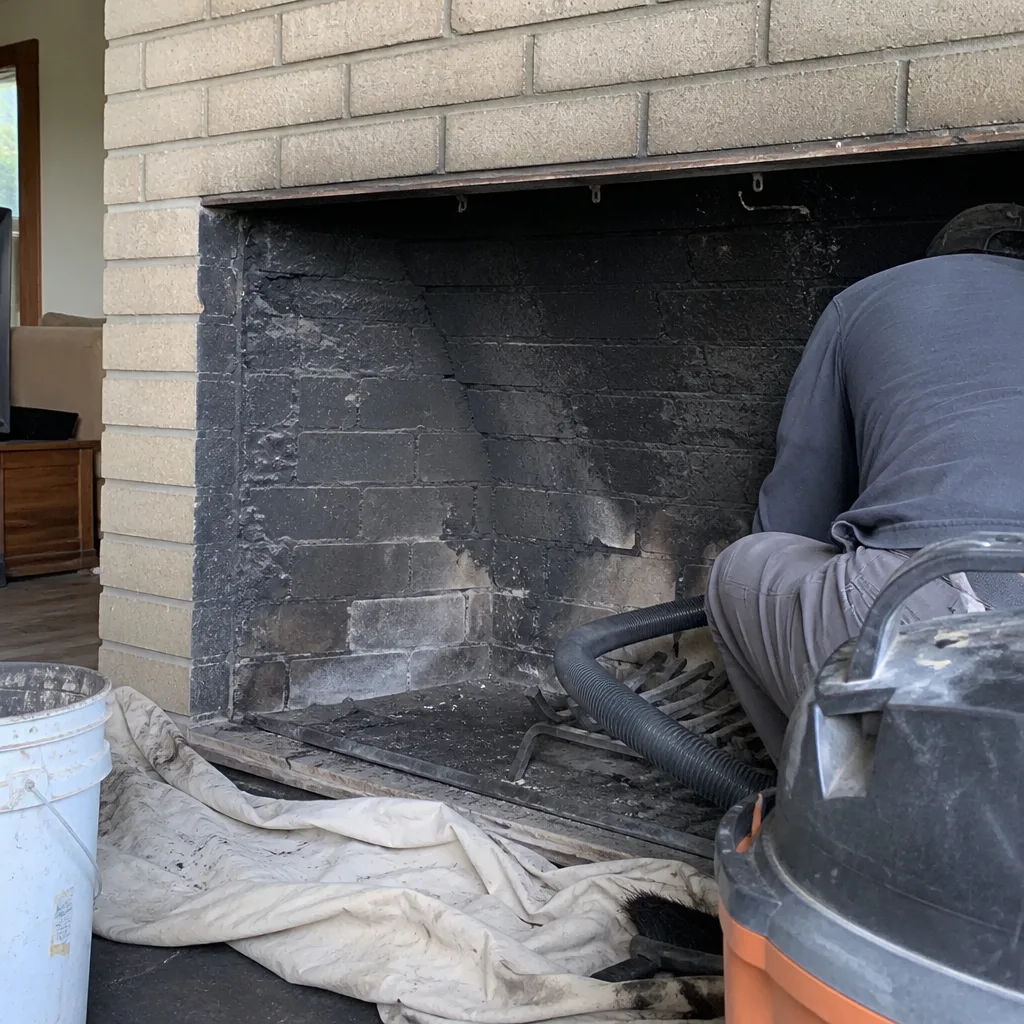 Before
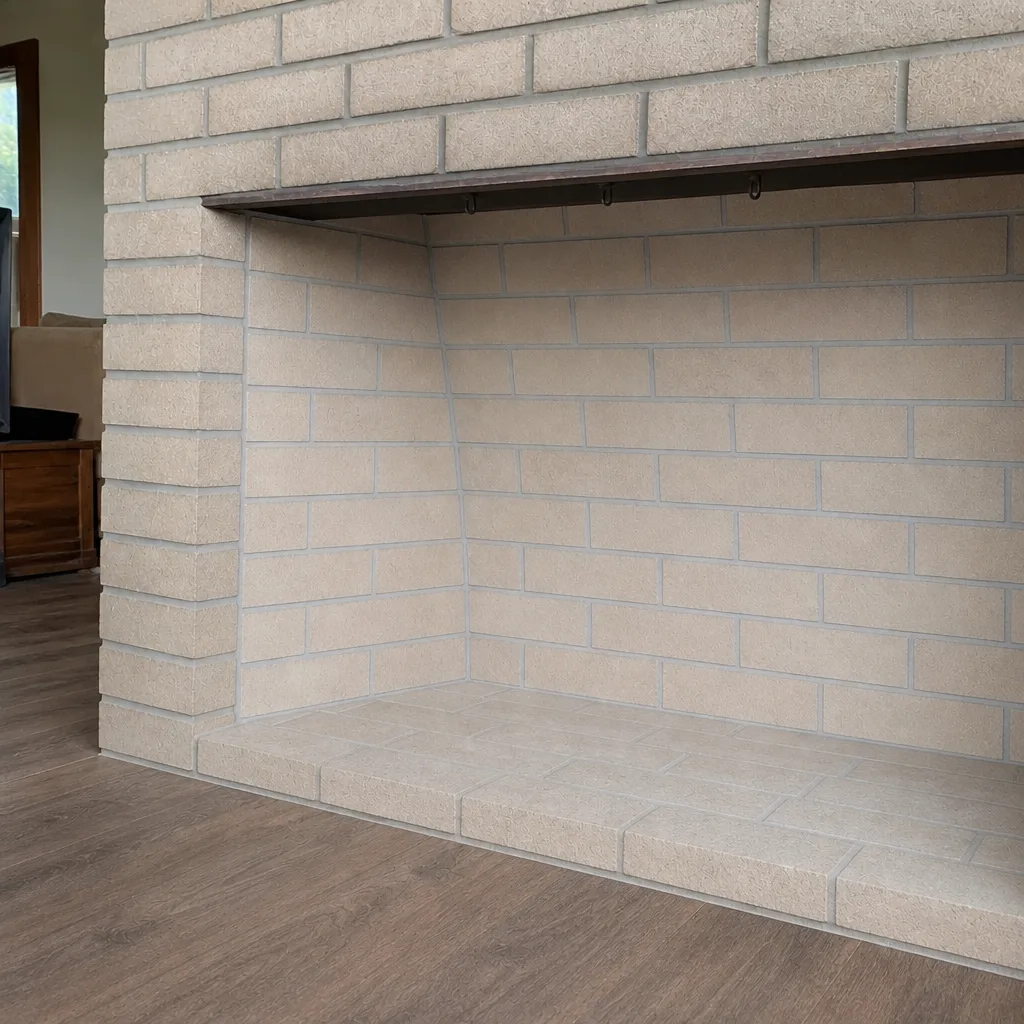 After
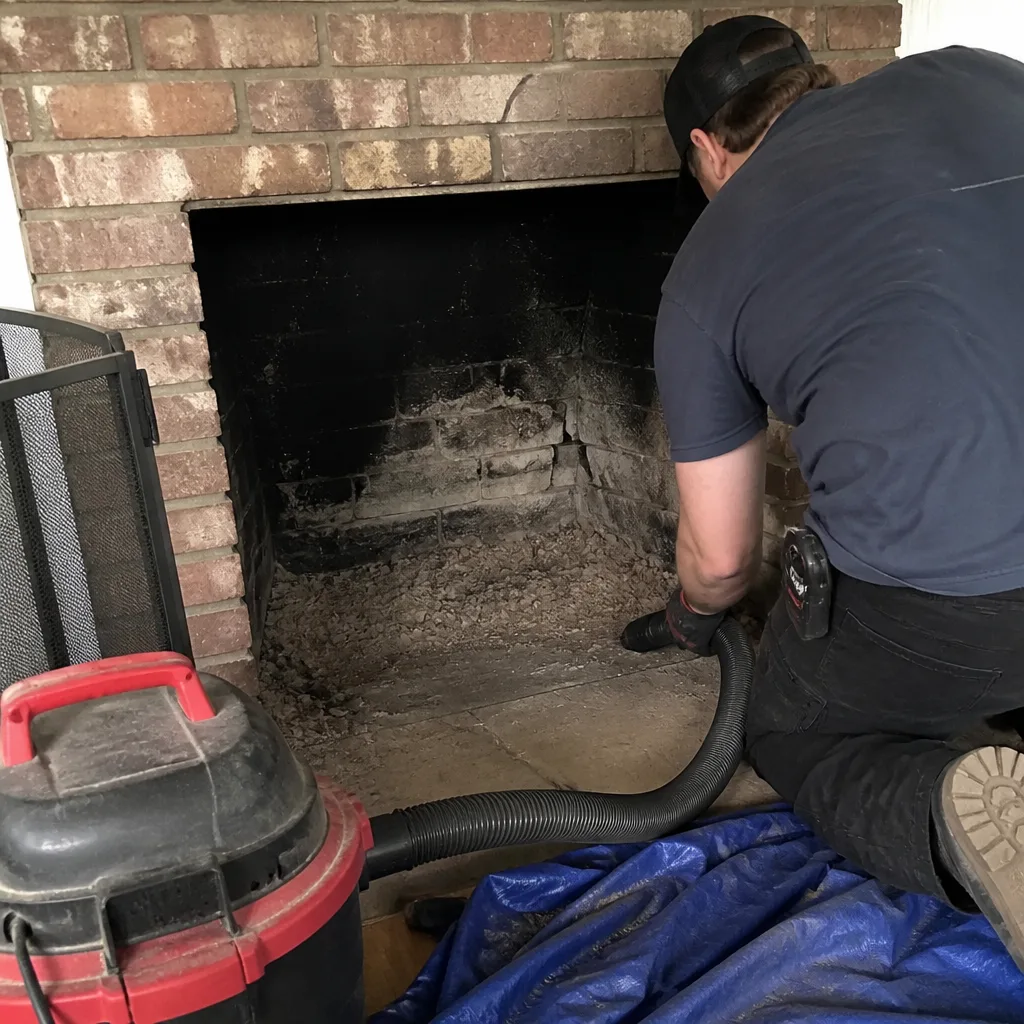 Before
 After
 Before
 After
When to Call a Professional
Not every chimney issue needs a call, and part of getting spring maintenance right is knowing when to stop and dial. Call if you smell smoke in the house during a fire, if the draft is consistently poor, if you see daylight is blocked at the top of the flue from the firebox, or if a chunk of masonry has fallen near the chimney. Call after any chimney fire, storm damage, or visible change in the crown or cap. And call if you’re not sure – the answer to “is this a big deal?” should come from someone who can see inside the flue, not from a guess. Gresham Chimney Sweep offers free estimates in Gresham. Call (833) 538-5519. We answer 24/7. Fast dispatch from 7am to 7pm, Sunday through Friday.
Frequently Asked Questions
Once a year for a wood-burning fireplace in regular use, and once a year for a wood stove or insert as well. A spring sweep is the working recommendation in this climate because it clears winter creosote and catches moisture damage before summer. Call (833) 538-5519 to book a spring appointment – estimates are free.
Yes, in Gresham’s wet climate. The sweep itself gets done either way, but the inspection brings more value in spring – that’s when moisture damage is small and repairable. A fall inspection often means the problem has been worsening since the previous summer. Call (833) 538-5519 for a free estimate on a spring sweep and inspection.
You need a new liner when the existing one is cracked, spalled, or too rough to soundly contain the flue; you don’t need one just because a chimney has been through a few wet seasons. Ask to see the camera footage before any liner decision. There’s a middle option too – HeatShield resurfacing restores a liner in the early stages without full replacement. Call (833) 538-5519 to schedule an inspection with a photo report.
Skipping a year means creosote builds up further in the flue and moisture damage has another full season to work into mortar joints, the crown, and the liner. Neither shows symptoms you’ll notice from the living room, which is why the sweep matters. In practice the cost of a skipped year tends to come back as a bigger repair. Call (833) 538-5519 – a sweep today is usually cheaper than the repair next year.
Yes – a properly fitted cap is the single most effective barrier against moisture intrusion and animal entry through the off-season. It prevents direct rain entry and keeps screened tops in place when birds and squirrels are looking for nests. Caps and covers from Gelco, Famco, and Copperfield are what we install. Call (833) 538-5519 for a quote on a cap replacement.
Typically $180 to $320 for a standard sweep, with a Level 2 camera inspection usually $250 to $450. Repair costs (crown, cap, HeatShield resurfacing, DuraFlex relining) range from a few hundred dollars up to several thousand depending on what the inspection finds. The written estimate sets the final price. Call (833) 538-5519 – estimates are free.
The Bottom Line
The chimney calendar that serves a Gresham home best starts in spring, not fall. Sweep and inspect as the burn season ends, do the repairs that need dry weather through the summer, and keep the cap, crown, and firebox sealed against moisture and animals through the off-season. Come fall, confirm the flue is clear and burn seasoned wood. Do that, and the winter tends to be uneventful – which is the goal. Skip a year, and the wet season reads it back to you as a repair.
If you’re ready for a spring sweep, an inspection, or an honest conversation about whether that liner actually needs replacing, we’re here. Gresham Chimney Sweep handles the sweep, the inspection, and the repair in one visit, with professional-grade materials from DuraFlex, HeatShield, Gelco, Olympia Chimney, Famco, and Copperfield. We work with homeowners across Gresham on the yearly maintenance rhythm described here, and every estimate is free. Call (833) 538-5519. We answer 24/7. Fast dispatch from 7am to 7pm, Sunday through Friday.
Written by the team at Gresham Chimney Sweep.