
Last updated November 16, 2026
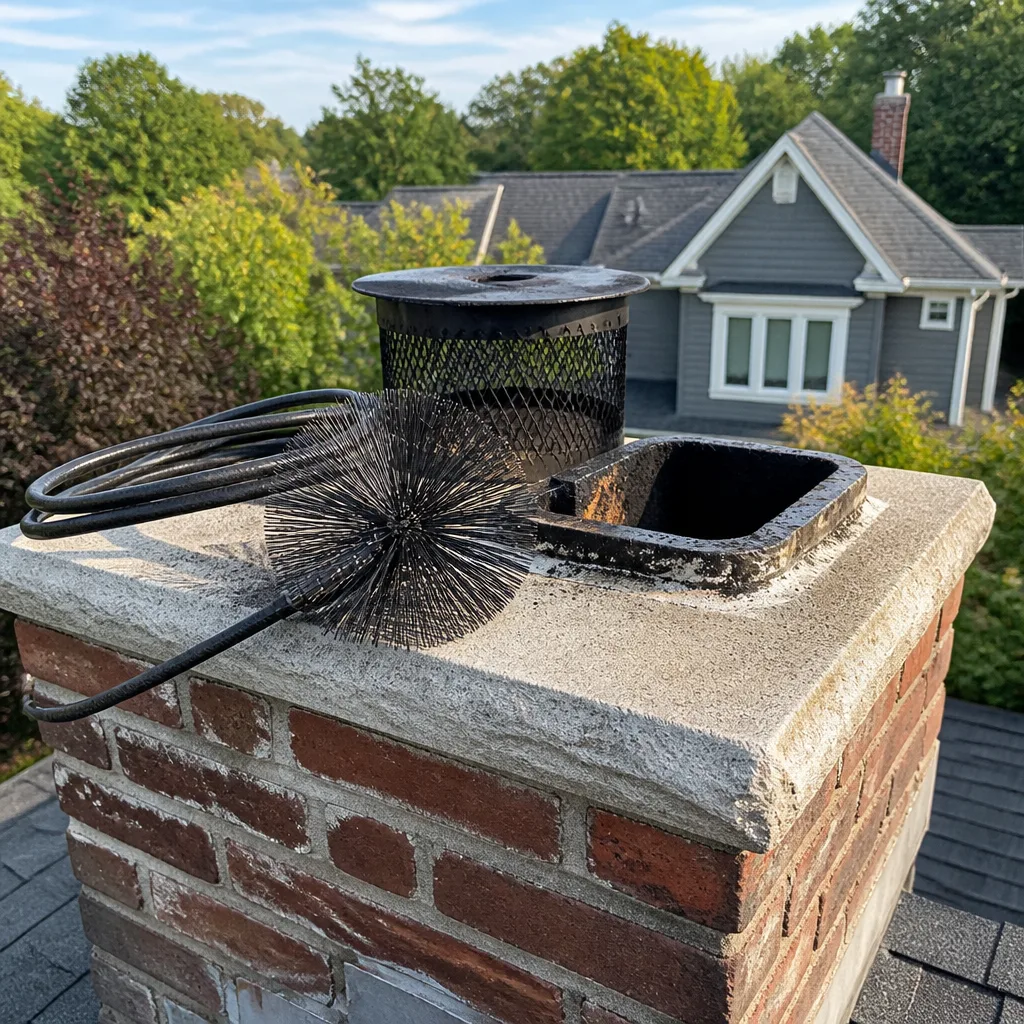 Sweep & inspection
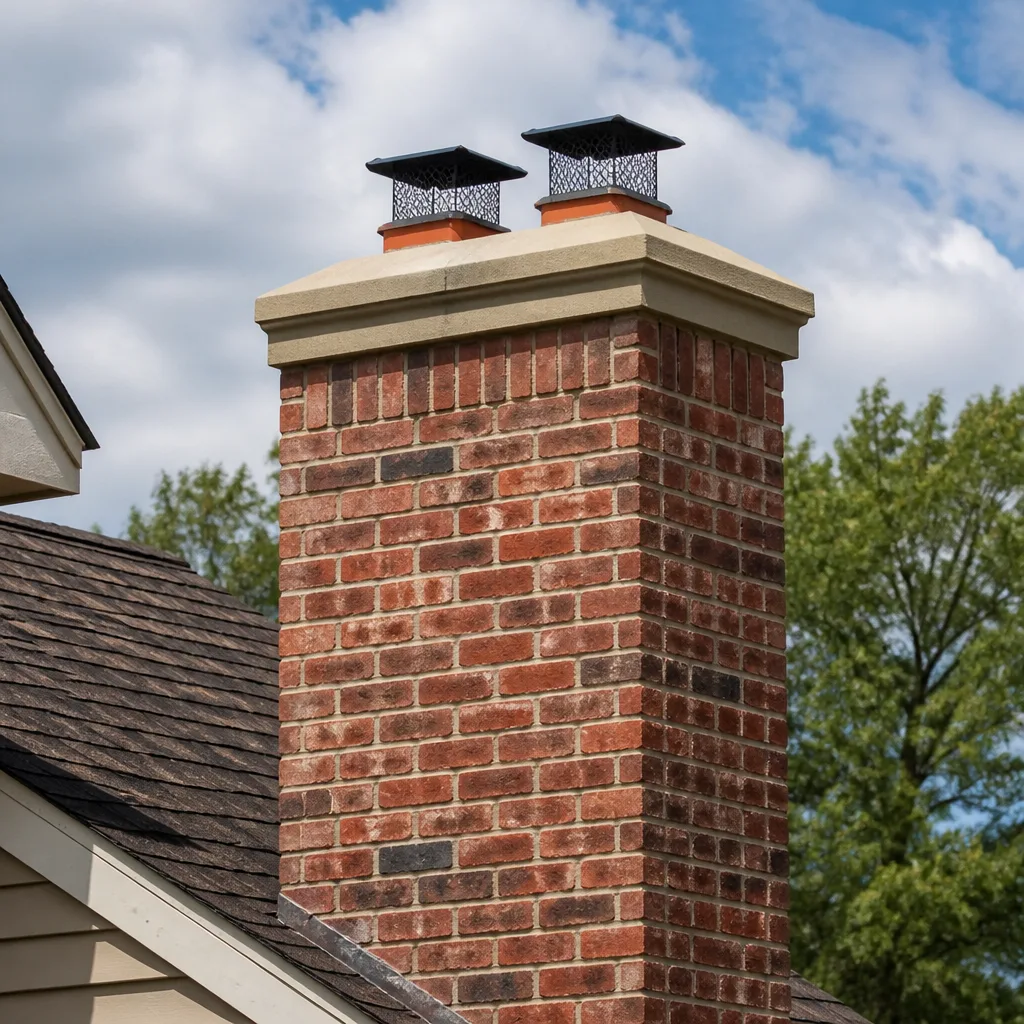 Caps & crowns
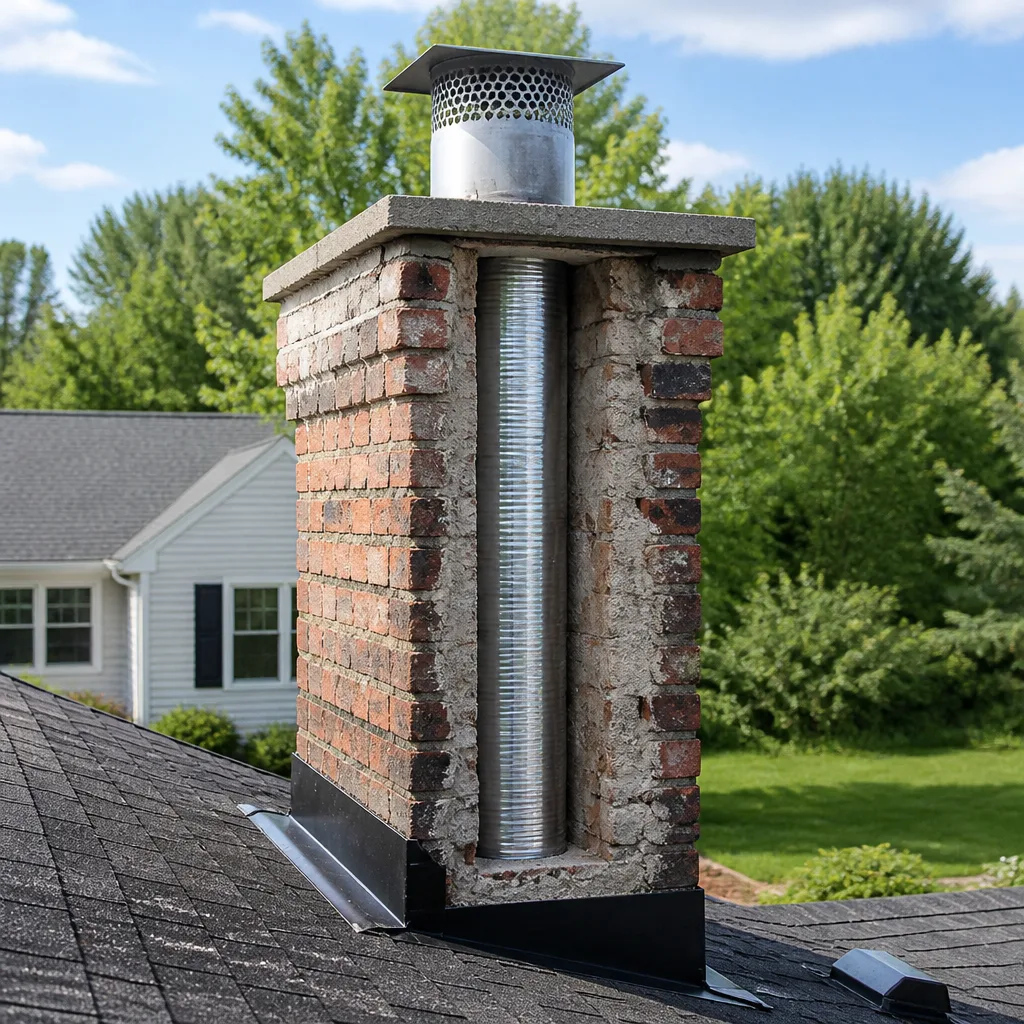 Flue relining
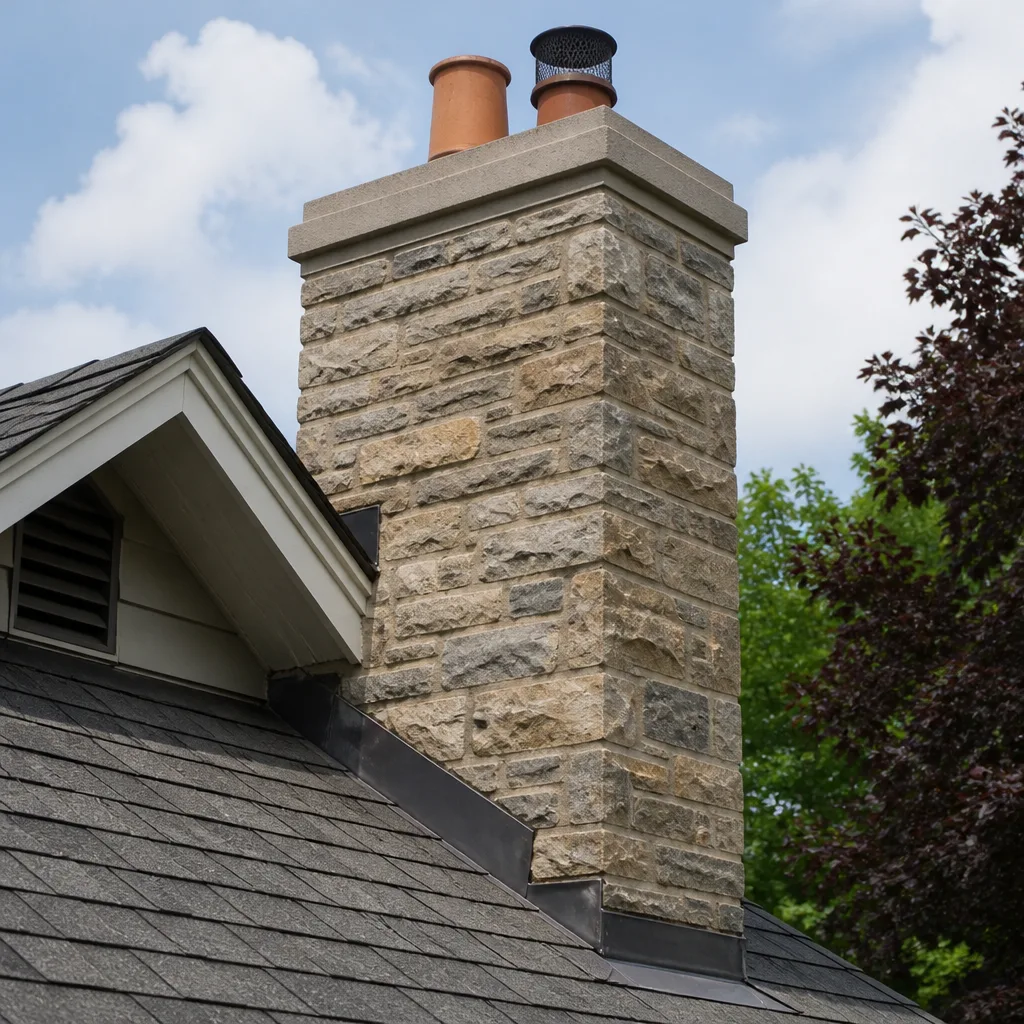 Masonry repair
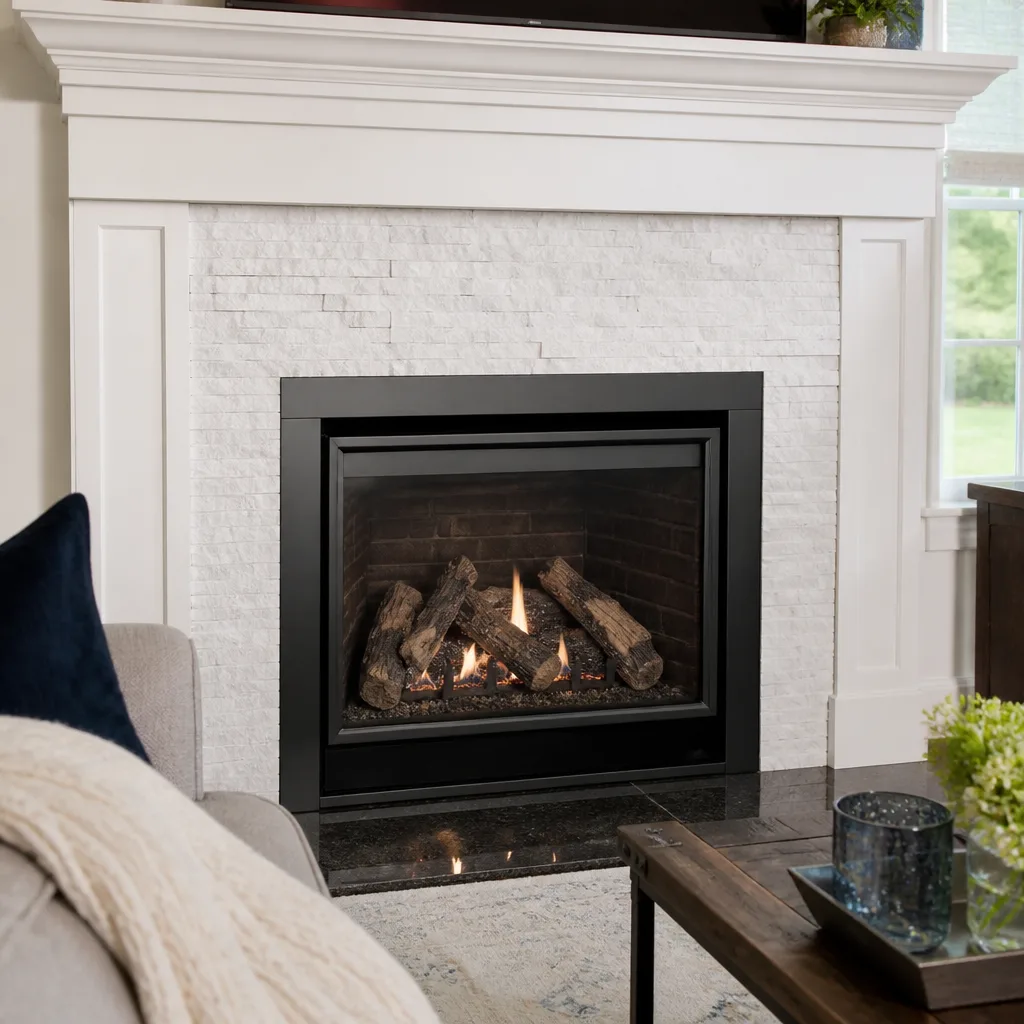 Gas fireplace service
Level 1 sweep and inspection to the NFPA 211 annual standard - flue, crown, cap, and flashing checked and photographed
Chimney sweep logs do not sweep chimneys. They loosen some creosote - which then falls where a brush and vacuum still have to collect it.
How to Hire a Chimney Cleaning Contractor in Gresham: A Step-by-Step Guide
A chimney sweep license tells you someone passed a background check. It tells you nothing about whether they know the difference between a stage 1 and a stage 3 creosote problem, or what to do about it once they’re on the roof. Most homeowners in Gresham hire the first company that answers the phone and shows up with a brush, and that’s exactly how avoidable problems get missed for another heating season. The skill you actually need isn’t reading a license number off a business card. It’s knowing which questions reveal whether a company is genuinely qualified versus simply legal to operate. This guide walks you through the certifications that matter, the diagnostic questions that separate specialists from generalists, what a real written estimate contains, and the warning signs during the estimate process that predict a poor outcome before any money changes hands.
Quick Answer
To hire a chimney cleaning contractor in Gresham, verify technical certifications (CSIA and NFI), ask five diagnostic questions about how the technician inspects and what they find, request a written estimate that itemizes scope and materials by brand, and confirm the company uses professional-grade liner and component systems rather than consumer-grade supplies. A qualified chimney specialist handles sweep, inspection, and repair under one roof, shows you camera evidence before recommending work, and never pressures you to book same-visit repairs you don’t understand. If the contractor can’t explain what stage of creosote they found or why a specific repair material is specified, keep looking.
Styles & brands we work with
- Sweep & inspection
- Caps & crowns
- Flue relining
- Masonry repair
- Gas fireplace service
Table of Contents
- What certifications should a chimney contractor in Gresham have?
- Five diagnostic questions to ask before you book
- What a legitimate written estimate includes (and what’s missing)
- How to verify professional-grade materials
- What to expect during the inspection visit
- Warning behaviors during the estimate process
- Why Gresham’s climate and housing stock affect chimney service
- Why a full-service chimney specialist beats a handyman
What certifications should a chimney contractor in Gresham have?
The two credentials worth checking are CSIA (Chimney Safety Institute of America) certification and NFI (National Fireplace Institute) certification. They cover different things, and a genuinely well-rounded chimney contractor often holds both.
A CSIA-certified sweep has passed an exam on chimney and venting system fundamentals, cleaning procedures, and inspection standards. It signals training in the core work of identifying creosote levels, blockages, liner condition, and venting problems in wood-burning and gas systems. The certification requires continuing education to maintain, so a currently certified sweep keeps up with changes in code interpretation and industry practice.
An NFI-certified technician has trained specifically on hearth appliances, gas, wood, and pellet. NFI certification is more relevant when the chimney serves a wood stove or gas insert, because the appliance side of the system matters as much as the flue. If your home in Gresham has a gas insert, ask whether the technician is NFI gas certified. If you burn wood in a stove, ask about NFI wood certification.
What these certifications don’t cover is worth understanding. Neither guarantees the company is licensed and insured at the state level, so verify that separately. Neither tells you what materials they use for repairs. Neither replaces a camera inspection. Treat certifications as the entry ticket, not the whole résumé.
- CSIA – chimney and venting system training, creosote identification, cleaning procedures
- NFI (gas, wood, pellet) – appliance-side training for inserts and stoves
- State licensing and insurance – verify independently, don’t take it on faith
- Manufacturer training – DuraFlex, HeatShield, and Olympia Chimney systems require installer familiarity that generic sweeps don’t have
In our experience, a chimney contractor who can name their certifications and explain exactly what each exam covered is signaling real technical training. One who says “we’re fully certified” and can’t go further is signaling they memorized a business card. At Gresham Chimney Sweep, our technicians have up to 14 years of experience and work exclusively on chimneys, which shows in how they talk about the work.
Five diagnostic questions to ask before you book
A short phone conversation separates a knowledgeable sweep from a generalist faster than any website. Ask these five questions and listen carefully to the answers. You’re not looking for rehearsed lines – you’re listening for trade precision.
- “What stages of creosote do you identify, and how do you report them?” A trained sweep will describe stage 1 (sooty, easily brushed), stage 2 (flaky, harder to remove), and stage 3 (glazed, hardened, requires chemical treatment or aggressive mechanical removal). A generalist will say “we clean the chimney.”
- “Do you do a camera inspection, and do I get a photo report?” The answer should be yes and yes. A camera inspection with documented photos is the single best protection against unnecessary repair recommendations. A sweep who says a camera isn’t needed for a routine cleaning is skipping the diagnostic step.
- “What liner material and brand do you use for relining?” Qualified chimney contractors specify their liner system by brand because the material and construction matter. A vague answer about “stainless liner” without a brand or specification is a red flag.
- “If you find a problem during the sweep, can you fix it, or do I need another contractor?” A full-service chimney company handles sweep, inspection, and repair – no handoffs. A sweep who only cleans will tell you honestly, but you’ll then be hiring twice.
- “What does your written estimate include, and do I see it before you book the work?” The answer should describe itemized scope, materials, labor, and a flat price agreed before the job. “We’ll get you a number once we’re up there” is not an estimate.
You can ask these questions on a call. You can also ask them at the booking stage and watch how the person answers. A chimney specialist answers them naturally because the answers describe how they work every day. A generalist gets flustered because the questions touch parts of the work they don’t do.
What a legitimate written estimate includes (and what’s missing)
A written estimate on chimney work should tell you three things: what’s being done, with what materials, and what it will cost. When one of those is missing, you can’t compare quotes or verify the work.
What a complete estimate includes
- Scope of work, itemized – sweep, inspection, repair separated, not lumped into one line
- Materials by brand – DuraFlex for flex liner, HeatShield for resurfacing, Gelco or Olympia Chimney for caps and components. Brand specification tells you the installer knows the material.
- Flat price, agreed before the visit – the estimate sets the final price, so you’re not watching a number climb once the technician is on the roof
- Photo documentation – the inspection photo report should be included, not an add-on fee
- What’s not being done – a good estimate tells you what can safely wait. That’s as informative as what’s on the invoice.
What’s missing from quotes that should concern you
- No brand specified for liner or resurfacing materials – “stainless steel” is not a specification
- No photo report – you’re paying for a recommendation you can’t verify
- No flat price – hourly or “we’ll see once we’re up there” is a blank check
- No mention of inspection findings – if the sweep found nothing written down, they didn’t inspect
- Repair work quoted without camera evidence you’ve seen yourself
If a quote is vague on materials, ask for the brand names. A qualified chimney contractor should be able to name what they install because it’s what they work with every day. We specify DuraFlex for flexible liner systems, HeatShield for resurfacing, and Gelco and Olympia Chimney for cap and component work because those are what professionals specify for lasting repairs. If a quote can’t answer a brand question, the materials are probably consumer-grade supplies from a hardware store.
How to verify professional-grade materials
The single most important question to ask about chimney repair materials is this: is this product designed for continuous exposure to flue gas, condensate, and high temperature? Consumer-grade supplies picked up at a hardware store often fail that test. Professional-grade systems are engineered for the specific conditions inside a chimney, and the difference shows up years later.
Here’s how to verify that your contractor uses the right materials:
- Ask for the brand. Professional-grade liner systems, resurfacing products, caps, and component systems have names. DuraFlex flexible liner, HeatShield resurfacing, Gelco and Olympia Chimney caps and components are examples of systems that chimney professionals actually install. A generalist handyman typically doesn’t stock or know these systems.
- Ask what the material replaces. HeatShield, for example, is a specialist resurfacing system that restores a damaged liner in some cases without full replacement. A company that doesn’t know HeatShield exists will only offer full relining, which is more expensive and not always necessary.
- Ask about the whole system, not just the flue. Repairs should address the cap, the crown, the smoke chamber, and the flue. A quote that only mentions liner work may be skipping the components that keep the system watertight and draft-correct.
- Ask what happens if the material fails. A professional-grade product fails cleanly and is repairable; a cheap substitute can fail in ways that damage the surrounding structure.
If a contractor can’t name materials without looking them up on a phone, that’s your answer. The right materials for a lasting repair are the materials installed by specialists who handle them routinely. Chimney repair work is where material quality shows up, because you can’t see the liner once it’s installed.
What to expect during the inspection visit
The inspection is where a good chimney contractor earns the booking. Here’s what a proper inspection visit looks like from start to finish.
Before the visit: the appointment should confirm the flat price agreed before booking, so you know what’s being charged on arrival. The technician should ask what you burn (wood, gas, inserts, stoves), how often you use the fireplace, and whether you’ve noticed any smells, smoke backup, or draft problems.
During the inspection: the technician checks the firebox, smoke chamber, damper, flue, cap, crown, and the roof-level components. A camera inspection of the flue documents the condition of the liner with photos you get to see. The technician identifies creosote stage if there’s a buildup, checks for cracks, gaps, or blockages, and evaluates the cap and crown condition.
What you should be told: the findings, in plain language, with photos. What’s safe, what can wait, what needs repair now. The recommendation should be tied directly to what the camera showed, not a generic “you need a new liner.”
What happens next: if the inspection finds a problem, the repair estimate is itemized and you approve it before any work starts. If nothing needs repair, you get a written report stating that, and you’re done. A chimney specialist says plainly when work can safely wait.
If you haven’t had an inspection in more than a year, or if you’ve just bought a home in Gresham with an unfamiliar chimney, an inspection before the burning season is worth booking. Our chimney sweep visits include the inspection and photo report, so you leave the visit knowing the condition of the whole system.
Warning behaviors during the estimate process
Most bad chimney experiences are visible before any work starts. Watch for these behaviors during the estimate and phone conversation.
- Pressure to approve repairs on the spot. A technician who tells you the chimney can’t wait until tomorrow and produces a repair quote before you’ve seen the camera report is selling, not inspecting. Creosote hazards are real, but a legitimate contractor shows you the evidence before recommending work.
- No camera evidence. A repair recommendation without photos of the problem is unverifiable. You’re being asked to trust a claim you can’t review.
- Vague materials. “Stainless steel liner” without a brand name, “resurfacing” without specifying which system – these phrases hide cheap materials behind vague language.
- Refusal to break down the estimate. Scope and price lumped into one line means you can’t tell what’s being done versus what’s being padded.
- No explanation of what can wait. A contractor who recommends every repair immediately without saying what’s cosmetic versus structural is either overselling or doesn’t know the difference.
- No question about how you use the chimney. If the technician doesn’t ask about your wood type, burning frequency, or appliance type, they aren’t diagnosing the system – they’re running a script.
- Hesitation on the five diagnostic questions. A qualified sweep answers these smoothly. A generalist changes the subject.
The single best protection against any of these is a written estimate agreed before booking, with a camera inspection report included. If a contractor won’t put both in writing, you’ve learned what you need to know.
Why Gresham’s climate and housing stock affect chimney service
Gresham’s weather matters to chimney care because the pattern of the heating season shapes what the flue sees. Springs here are wet and cool, which keeps some households burning well into a wet stretch and sends other households into a long dormant summer with condensation and moisture sitting in the flue. A chimney that’s cold and damp for months develops different problems than one in a dry climate. Cracks in the crown and mortar joints crack further with repeated freeze and thaw cycles, and moisture intrusion in the smoking chamber or smoke chamber is common in older homes.
On the housing side, Gresham has a mix of older construction in neighborhoods like Centennial, Rockwood, and Pleasant Valley, where masonry chimneys installed decades ago are now at the age where the liner and crown are ready for resurfacing or relining. Newer construction often uses factory-built systems with metal liners that have their own service needs. The condition of the chimney depends on the age of the system, the fuel burned, and the maintenance history, not just the year the house was built.
If you burn wood regularly through the wet months, an annual sweep check before the burning season is worth doing. If you only burn occasionally, you can stretch the checks – but you still want the condition verified so a small issue doesn’t become structural. Gresham’s wet season is the reason inspection matters more here than in dry climates, not less.
Why a full-service chimney specialist beats a handyman
The biggest practical difference between a full-service chimney company and a handyman who also cleans chimneys is what happens when a problem is found. A sweep-only company cleans the flue, finds a crack, and hands you a phone number for someone else. A generalist handyman cleans the flue and either misses the crack or attempts a fix without the material knowledge to do it right. A full-service chimney specialist sweeps, inspects, and repairs the same visit – same team, same materials, same accountability.
That matters more than it sounds. When the technician who finds the problem is the one who fixes it, there’s no gap between diagnosis and material selection. The person choosing between HeatShield resurfacing and full relining is the person who just inspected the liner with a camera. The person installing the cap is the person who measured the flue. That continuity is why we offer sweep, inspection, and repair under one roof – the alternative is a handoff where information gets lost.
Chimney work is specialized. The materials used (DuraFlex liner systems, HeatShield resurfacing, Gelco and Olympia Chimney components) require training and supplier relationships that generalists don’t have. A handyman who tries to install a liner without that training is working with consumer-grade materials on a system that sees constant flue gas and high temperatures. Chimney specialists work with these materials every day, which is what makes the difference in a lasting repair.
Common Mistakes to Avoid
- Hiring on price alone without checking certifications. The cheapest sweep in Gresham may be licensed and unqualified. CSIA and NFI certifications cost the contractor time and money, which is one reason cheap quotes tend to skip them.
- Booking a sweep without a camera inspection. A cleaning without documentation of the flue condition is a sweep without a diagnostic. You won’t know what was found or whether a repair recommendation six months later is genuinely new.
- Accepting a liner replacement quote without photos. If you can’t see the problem the camera found, you can’t verify you need the repair. Ask for the photo report before approving any relining work.
- Letting a generalist install professional-line materials. Consumer-grade supplies installed by someone without training on that specific system can fail in ways that cost more than the original repair. A brand name on a box doesn’t guarantee a qualified installer.
- Skipping the sweep because the fireplace “still works.” A chimney with a stage 2 or stage 3 creosote buildup still drafts. The problem shows up as a chimney fire, not as a loss of function. Working draft is not evidence the flue is clean.
- Ignoring the crown and cap because you only think about the flue. Water coming in through a cracked crown or a missing cap damages the smoke chamber and liner over time. The whole system needs checking, not just the inside of the flue.
- Hiring a handyman to do chimney work because they’re already on site for something else. Chimney work is specialized. The materials, training, and diagnostic equipment are specific to this trade, and a generalist working outside their trade brings a risk that isn’t worth the convenience.
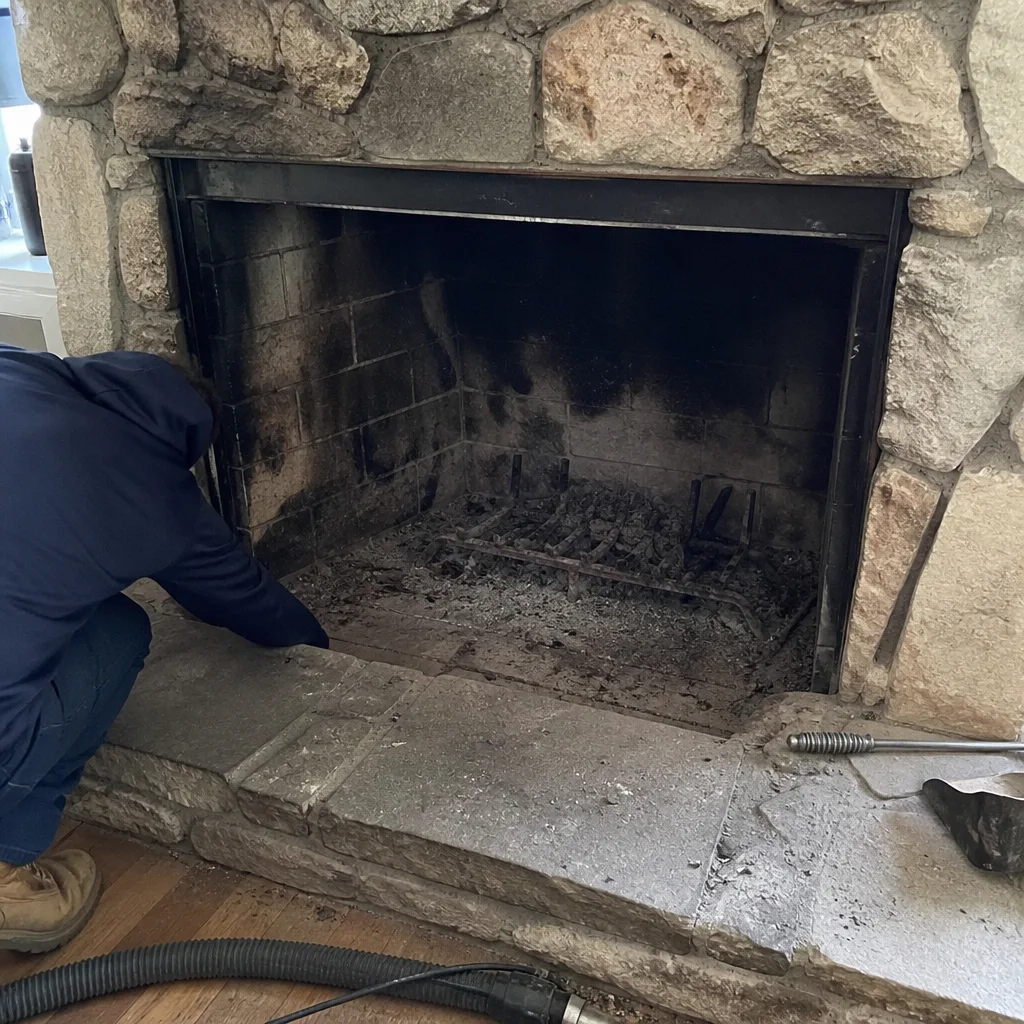
See the difference
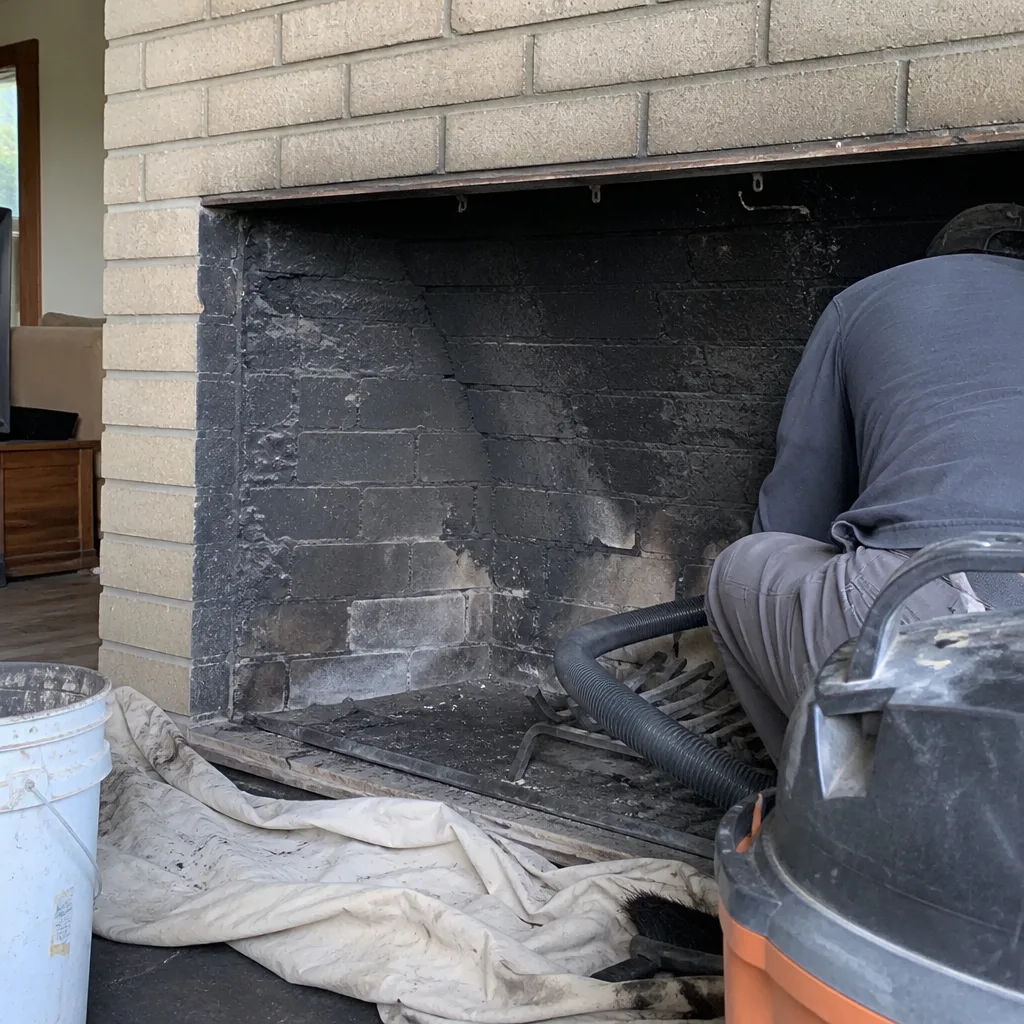 Before
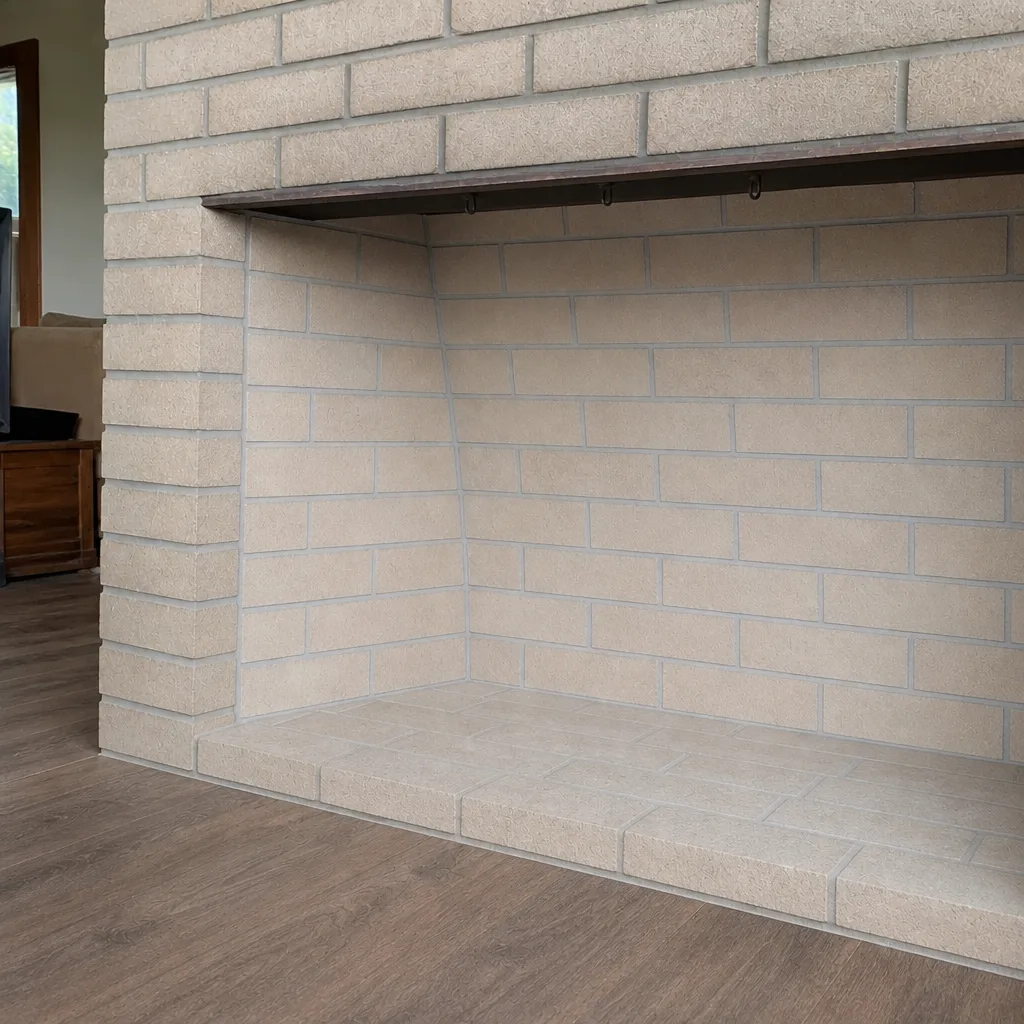 After
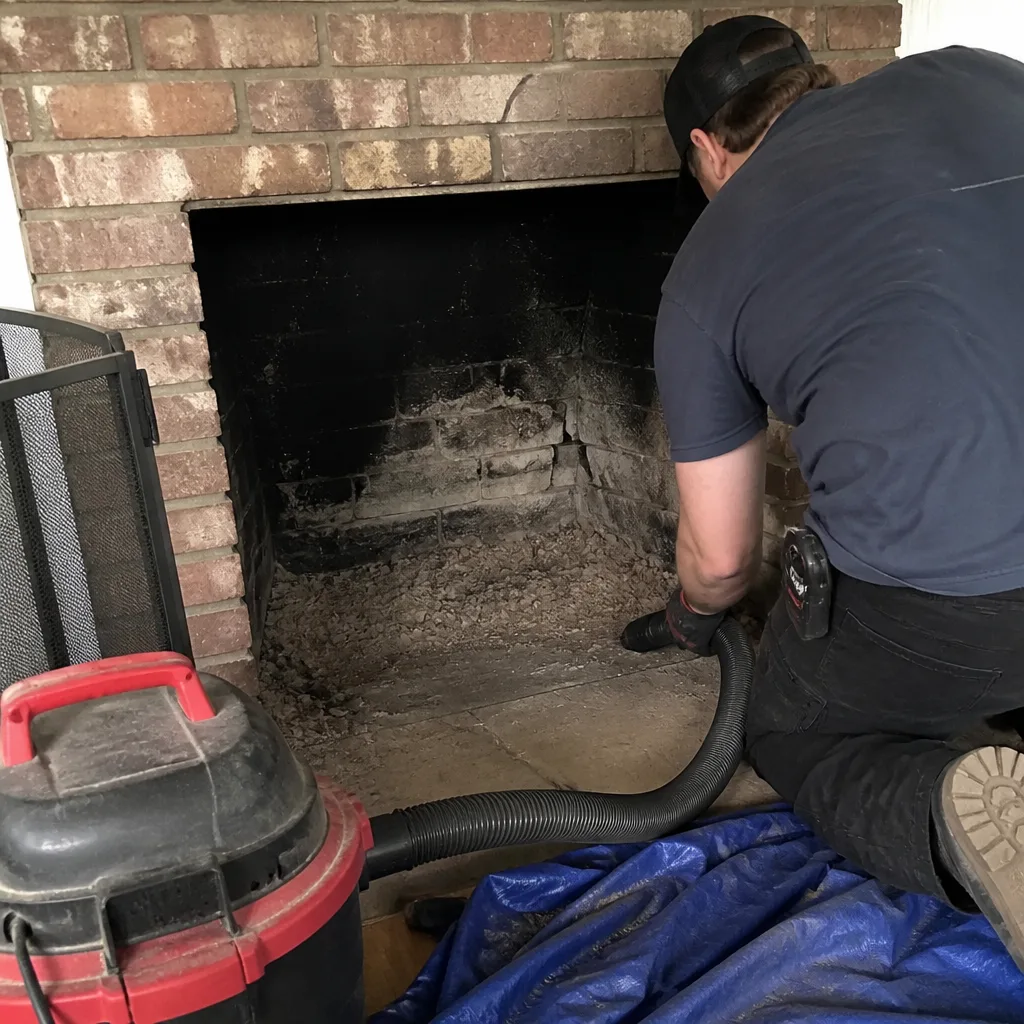 Before
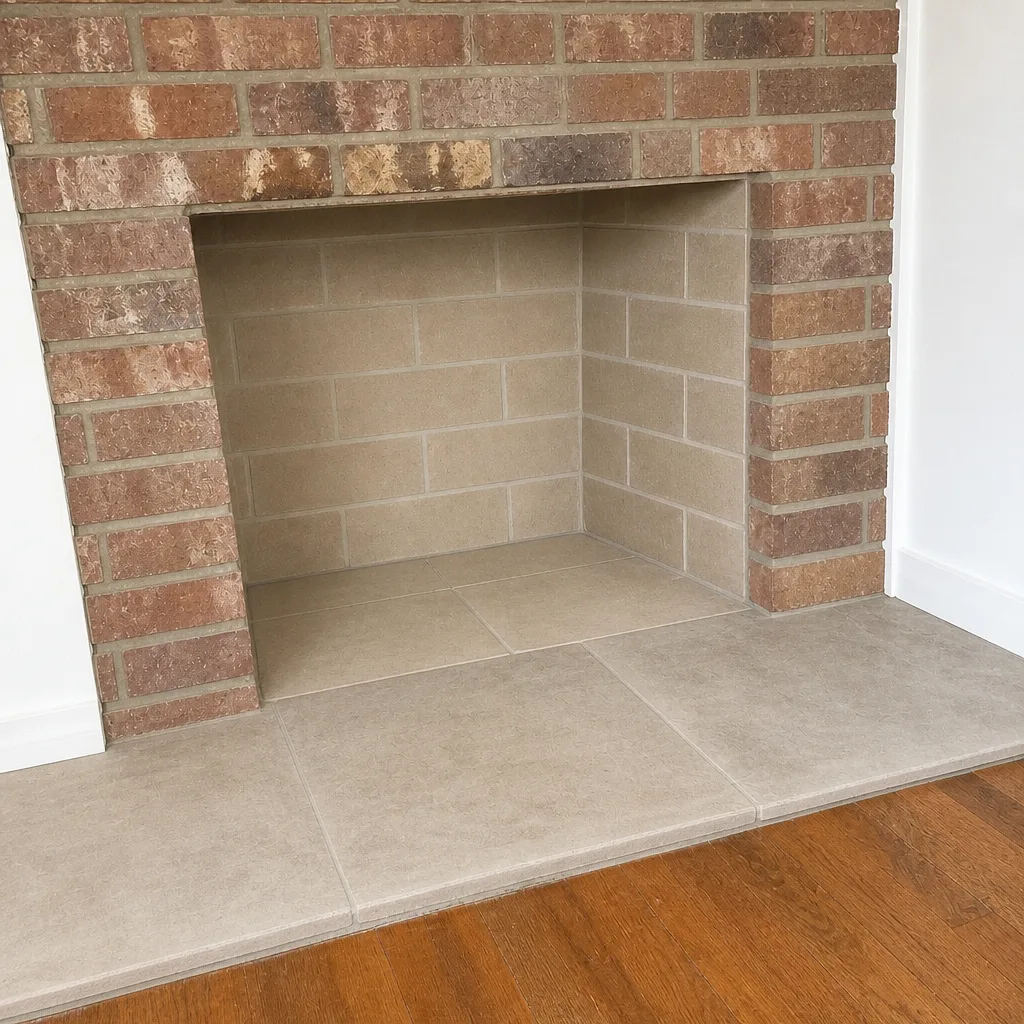 After
 Before
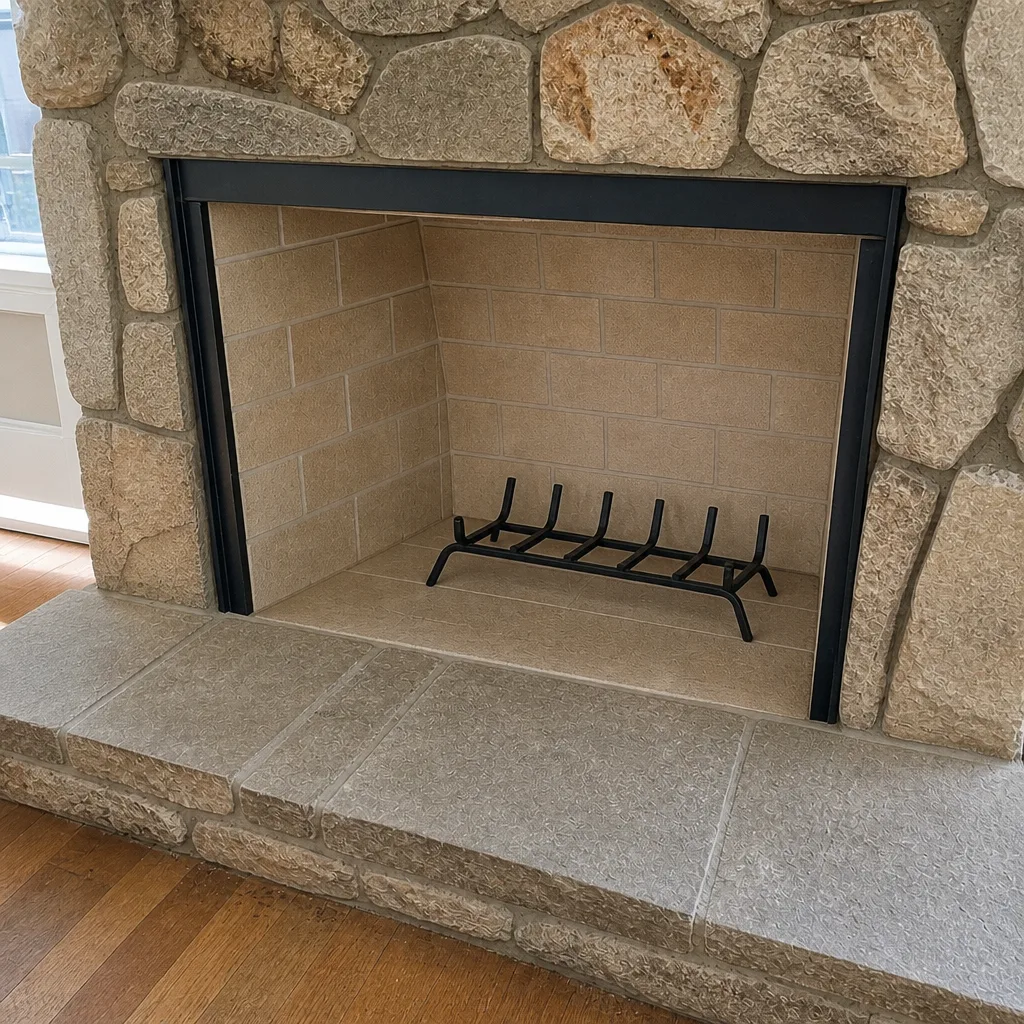 After
When to Call a Professional
Call a chimney professional if you’ve moved into a home in Gresham with an unfamiliar chimney, if it’s been more than a year since the last inspection, or if you’ve noticed smoke backing into the room, a chemical smell, or draft problems. Call if the firebox has visible cracks, if the crown or mortar is crumbling, or if a storm has damaged the cap. Call before the burning season if you burn wood regularly, and call immediately if you’ve had a chimney fire – even a small one. Gresham Chimney Sweep offers free estimates in Gresham – call (833) 538-5519. We answer 24/7. Fast dispatch from 7am to 7pm, Sunday through Friday.
Frequently Asked Questions
Chimney sweeps in Gresham are typically priced per job by a written estimate, with the inspection and photo report included in the booking price. The final price is set by the written estimate before any work starts, so you’re not watching a number climb once the technician is on the roof. Call (833) 538-5519 for an exact quote – estimates are free.
You need a new liner when the existing liner is cracked, deteriorated, or improperly sized for the appliance, and the determination should always be based on camera evidence you can see. HeatShield resurfacing restores some damaged liners without full replacement, so a full reline isn’t always necessary. Ask to see the photo report before approving any liner work. Call (833) 538-5519 for a free estimate – nothing is recommended without camera evidence.
A chimney should be swept when creosote buildup reaches roughly an eighth of an inch inside the flue, which for regular wood burners usually means an annual sweep check before the burning season. Homes that burn occasionally can stretch the interval, but the condition should still be verified rather than assumed. Gresham’s wet winters keep many households burning longer into the season, which makes the annual check worth keeping. Call (833) 538-5519 to book a sweep.
Skipping chimney maintenance allows creosote to accumulate to a stage where a chimney fire becomes possible, and it lets small cracks in the liner or crown go unaddressed until they become structural repairs. It also increases the risk of carbon monoxide backup in a blocked or damaged flue. Neither outcome is guaranteed, but both are preventable with a routine sweep and inspection. Call (833) 538-5519 – we’ll tell you plainly what can safely wait and what shouldn’t.
We service chimneys behind open fireplaces, gas inserts, and wood stoves. Gas inserts and wood stoves need appliance-specific knowledge because the venting requirements differ from an open fireplace, which is why NFI certification matters. Our technicians have up to 14 years of experience across all three appliance types. Call (833) 538-5519 for a free estimate.
Look for CSIA certification, which covers chimney and venting system fundamentals, and NFI certification, which covers appliance-side training for gas, wood, and pellet systems. Both require exams and continuing education, and a well-rounded contractor often holds both. State licensing and insurance should be verified separately, because certifications and licensing cover different things. Gresham Chimney Sweep works exclusively on chimneys and uses professional-grade materials from DuraFlex, HeatShield, Gelco, Olympia Chimney, Famco, and Copperfield. Call (833) 538-5519 for a free estimate in Gresham.
The Bottom Line
Hiring a chimney contractor in Gresham comes down to a single skill: asking the questions that reveal whether a company is actually qualified versus simply licensed. Certifications (CSIA, NFI) tell you the contractor has real technical training. The five diagnostic questions tell you whether they can think on their feet about creosote stages, camera inspection, and specific materials. A written estimate with itemized scope, brand-specific materials, and a photo report tells you the work is verifiable. Warning behaviors during the estimate – pressure, vague materials, no camera evidence – tell you to walk away. If you want a specialist who handles sweep, inspection, and repair with professional-grade materials from DuraFlex, HeatShield, Gelco, Olympia Chimney, Famco, and Copperfield, call Gresham Chimney Sweep at (833) 538-5519 for a free estimate. We answer 24/7. Fast dispatch from 7am to 7pm, Sunday through Friday.
If you’re just starting the search, our Gresham service page is a good place to see the full range of chimney work we handle, and the sweep and repair pages linked throughout this guide explain what each visit involves. The right materials for a lasting repair start with the right contractor, and the right contractor is the one who answers the questions above without flinching.
Written by the team at Gresham Chimney Sweep.