
Last updated November 16, 2026
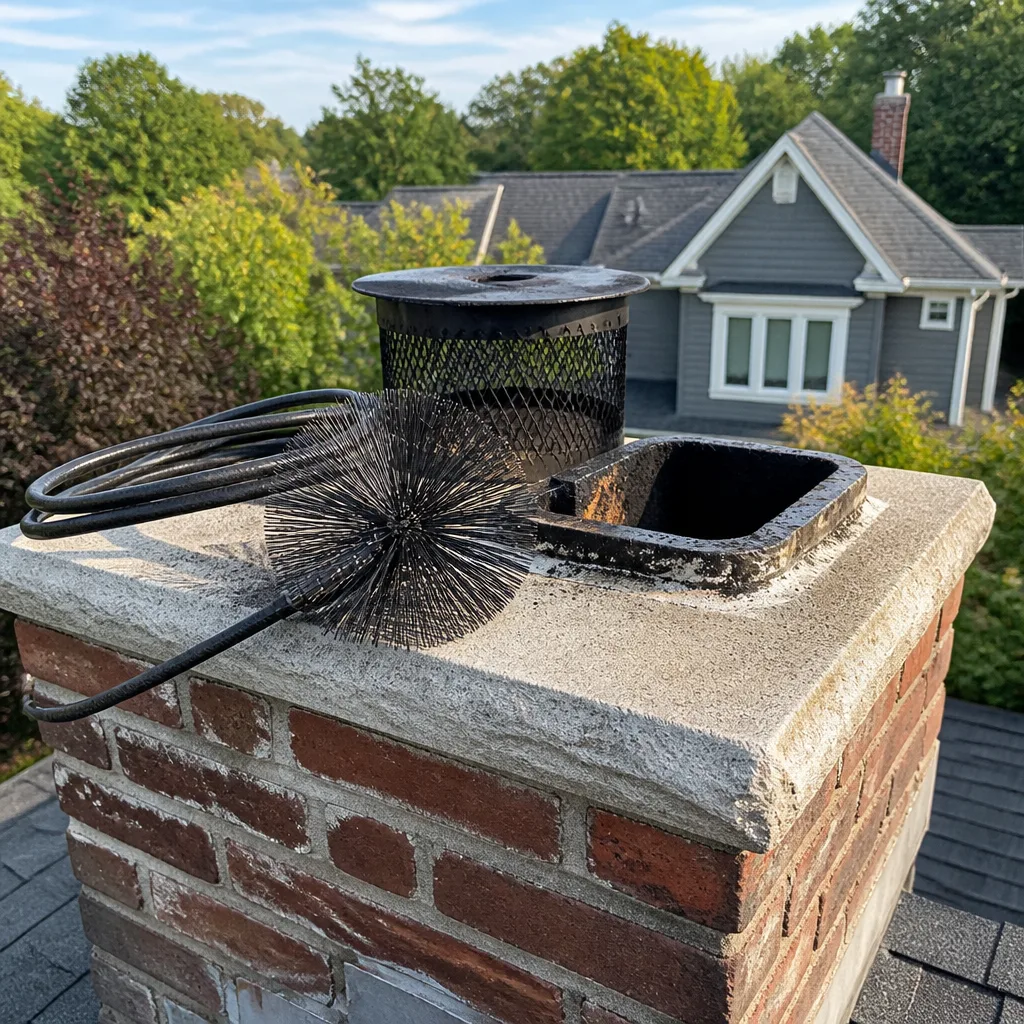 Sweep & inspection
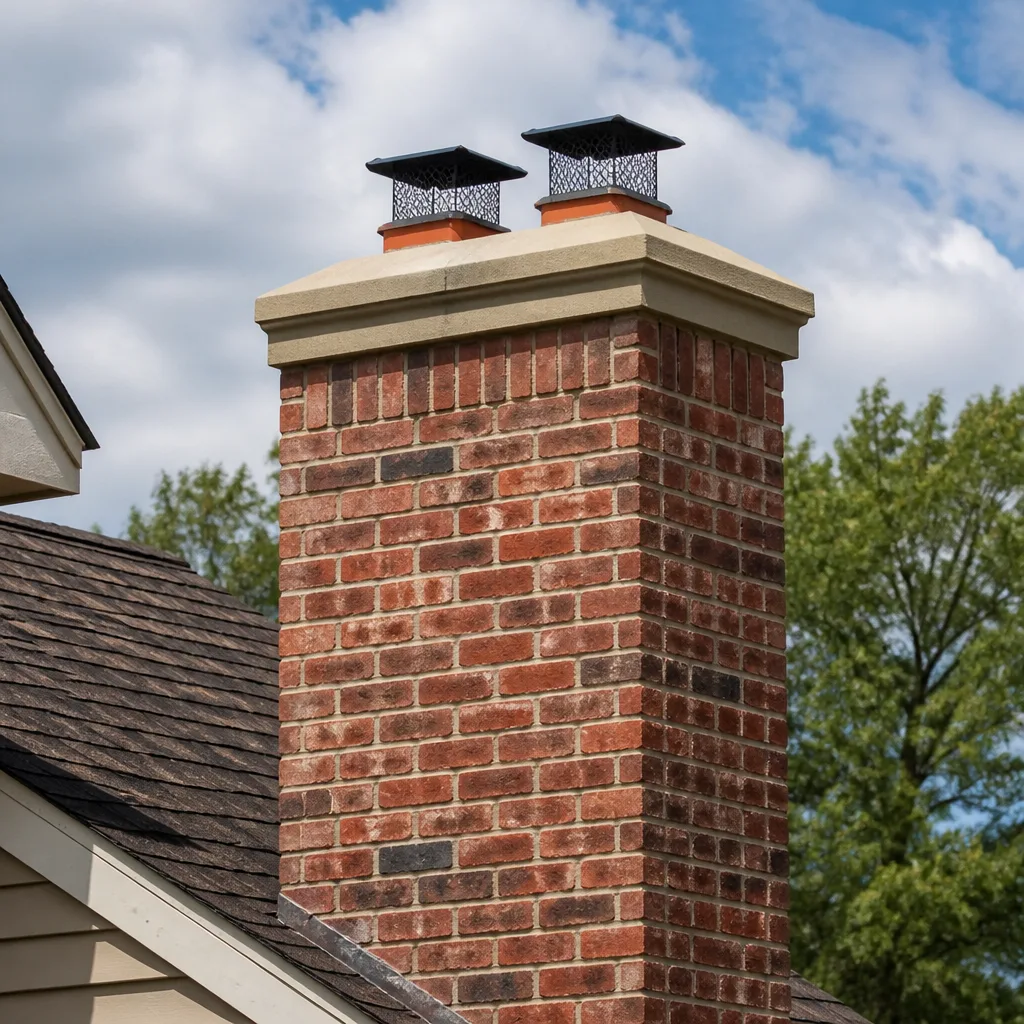 Caps & crowns
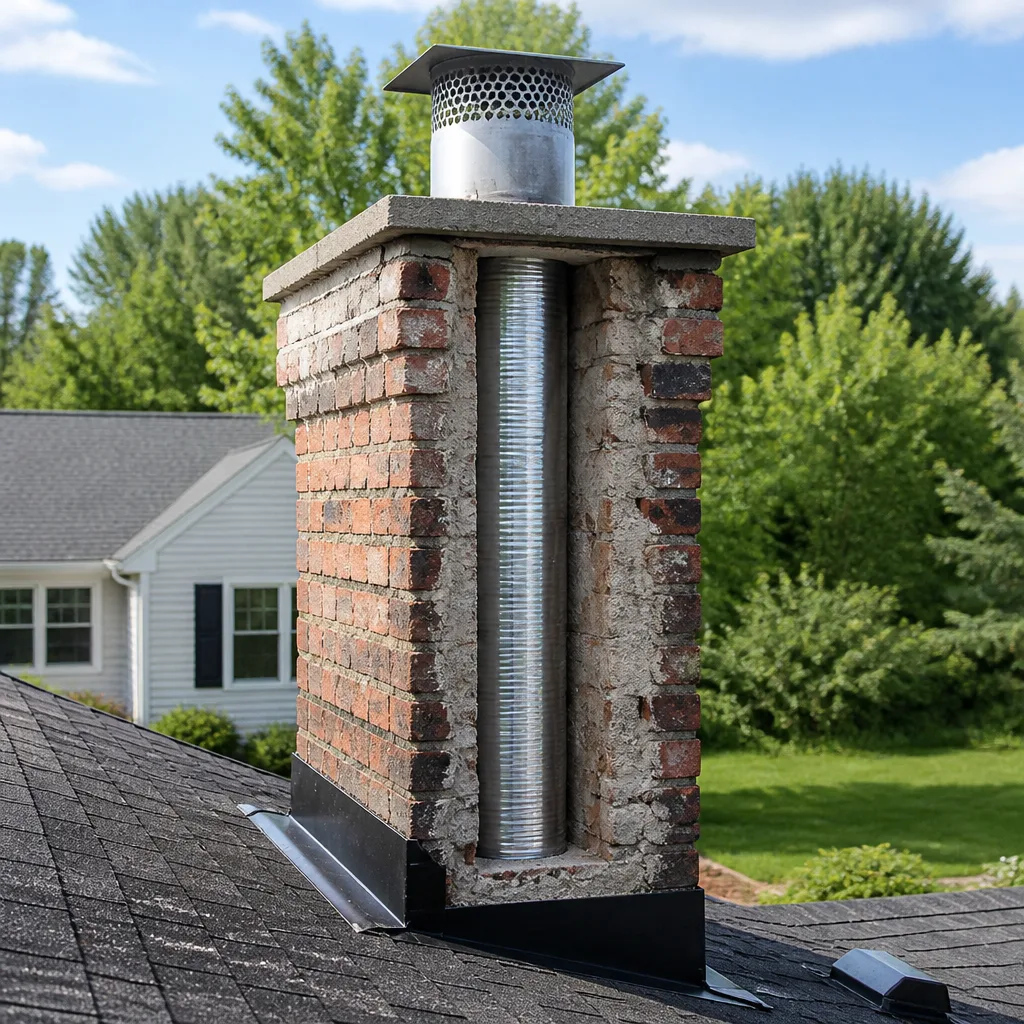 Flue relining
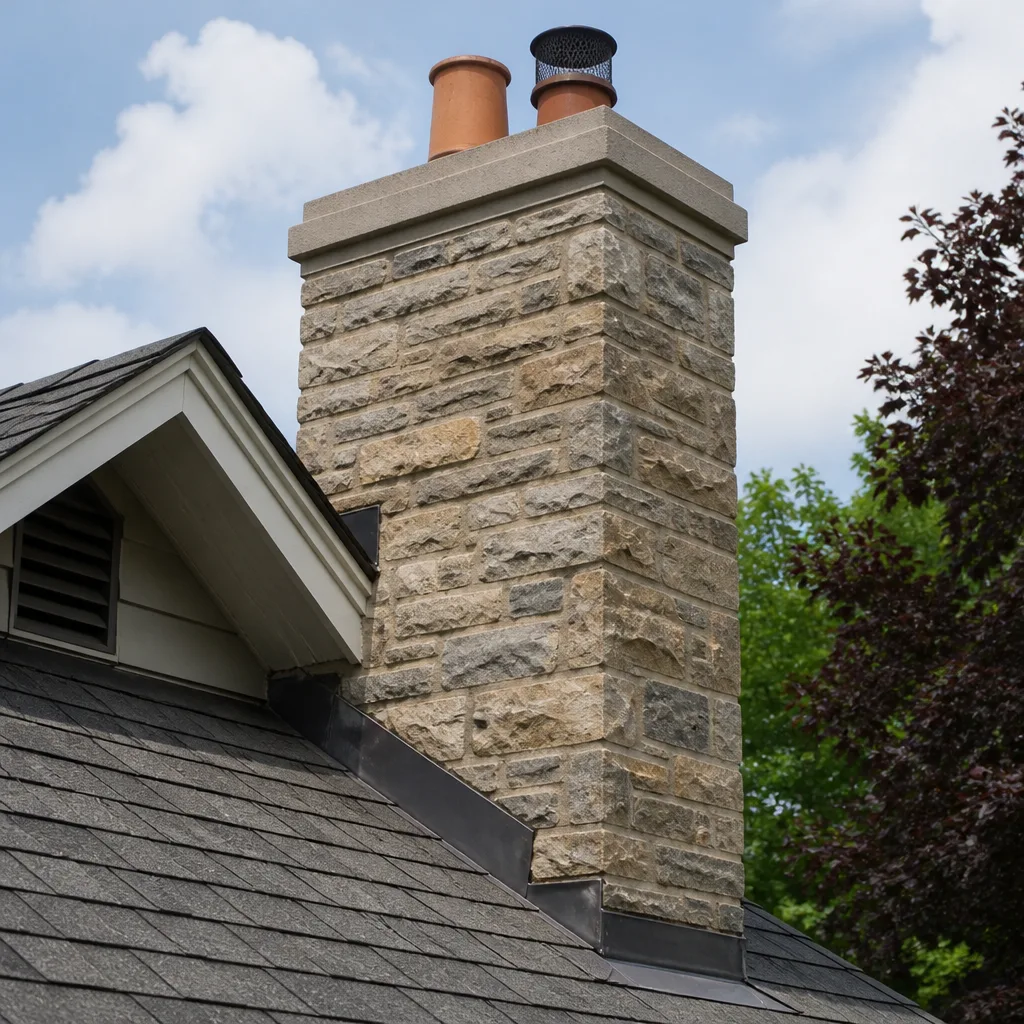 Masonry repair
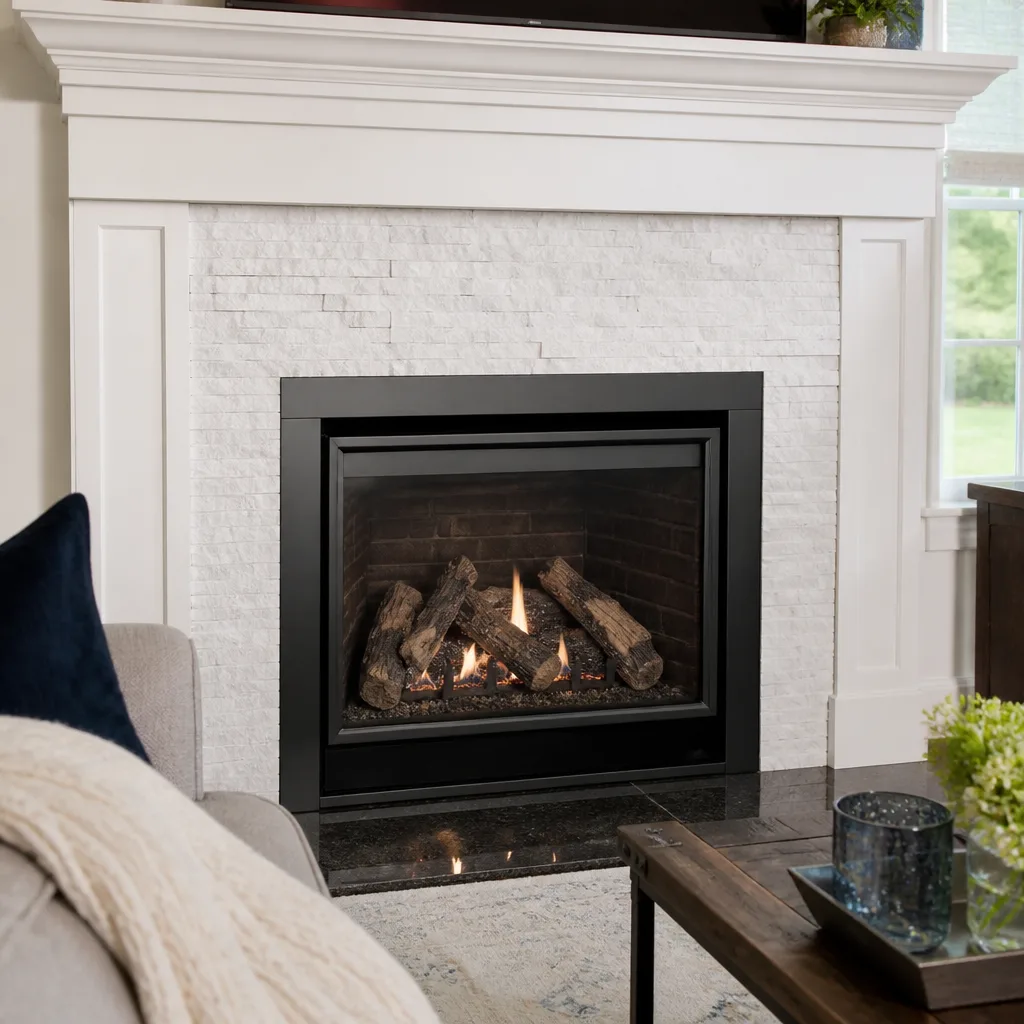 Gas fireplace service
Level 1 sweep and inspection to the NFPA 211 annual standard - flue, crown, cap, and flashing checked and photographed
Chimney sweep logs do not sweep chimneys. They loosen some creosote - which then falls where a brush and vacuum still have to collect it.
Chimney Sweep Maintenance Checklist for Gresham Homeowners
The standard advice, “sweep once a year,” was written for average use. If you burned more than two cords of wood last winter, that schedule is already behind. Most chimney checklists float around the internet as generic calendars that ignore how your household actually heats, what your flue is built from, and what a western Oregon winter does to masonry. A checklist is only useful if it’s calibrated to your chimney, not to a stranger’s. In this guide, we’ll walk through a task-by-task maintenance framework built around fuel type, burn volume, and chimney age, and show you what you can safely check yourself in Gresham between professional visits. You’ll leave with a schedule you can actually follow and a way to track condition over time so small problems don’t turn into structural ones.
Quick Answer
Sweep your chimney when you’ve burned roughly a cord of wood or when a quarter-inch of creosote has built up on the flue walls, whichever comes first; inspect annually regardless of use. If your household burned two or more cords last winter, or you run a wood stove as primary heat, that annual inspection should happen before the heating season starts, and a mid-season look at the flue won’t hurt. Gas inserts and rarely used fireplaces still need an annual inspection, just for different reasons. Build your checklist around how you actually heat, and the calendar becomes a backup rather than the rule.
Styles & brands we work with
- Sweep & inspection
- Caps & crowns
- Flue relining
- Masonry repair
- Gas fireplace service
Table of Contents
- Usage-Based Triggers: When to Sweep, Not Just When to Inspect
- Masonry vs. Metal: Two Different Checklists Under One Roof
- What Homeowners Can Safely Check Between Visits
- How Gresham’s Climate Affects Chimney Wear
- Red Flags That Stop a Checklist Cold
- Documenting Condition So You Spot Trends Early
- A Numbered Sequence for the Year
- When a Checklist Item Means You Need a Sweep
Usage-Based Triggers: When to Sweep, Not Just When to Inspect
A calendar schedule treats all households as identical. They aren’t. A Gresham household that burns a fire most evenings from November through March accumulates creosote at a completely different rate than one that lights the fireplace on holidays. The trigger that matters is the deposit layer on the flue walls, not the month on your phone.
There’s a practical rule the trade uses: sweep when the creosote deposit reaches about one-quarter inch on the flue, or when you’ve burned roughly a cord of wood, whichever comes first. That second half is the useful part for homeowners who don’t own a mirror on a stick. You know how much wood you bought and burned. Two cords is twice the average use the annual-sweep advice assumes.
To calibrate the schedule, break your household into one of three buckets:
- Primary heat (wood stove, most evenings, October through April): Sweep twice per season, inspect before and after. This is the group where the “sweep once a year” advice is most visibly behind schedule.
- Heavy supplementary (two or more cords burned in a fireplace): Sweep once at mid-season, then again if the burn continued. One annual inspection before the first fire.
- Occasional (gas insert or a handful of fires per winter): Inspect annually, sweep on the inspector’s recommendation. Gas units still need inspection because of blockage and venting issues, not creosote.
Write the cord count on the checklist itself. When you next call a chimney sweep, tell them “two and a half cords last season, wood stove primary” and the conversation moves past the guesswork in ten seconds. In our experience, homeowners who track burn volume get more useful answers and fewer unnecessary follow-ups.
Masonry vs. Metal: Two Different Checklists Under One Roof
Masonry chimneys and factory-built metal fireplaces look similar in the living room and behave like two different animals once you’re past the damper. A single checklist covering both usually leaves gaps on one side or the other. Sort out which you have before you build the annual task list.
Masonry chimneys are laid from brick or block with a clay tile liner and topped with a concrete crown. They are affected by freeze-thaw cycling, mortar deterioration, and liner cracking. The checklist items that matter:
- Annual flue inspection with a camera to check the liner for cracks or gaps at the joints.
- Crown check: hairline cracks and separation from the flue are common on older masonry.
- Mortar joint inspection on the exterior stack, especially the upper courses.
- Flashings at the roof penetration, which are a common leak point on steep-pitch Gresham roofs.
- Smoke chamber and damper check after each sweep.
Metal insert or factory-built fireplaces (wood stove, gas insert, pre-fab unit) have a steel flue and a manufacturer-specified clearances and venting setup. They’re affected by high-heat warping, gasket wear at the door, and vent termination issues. Their list:
- Annual flue inspection is still required; metal does not mean maintenance-free.
- Door gasket check with a dollar-bill test at the door edge (if you can slide it out easily, the gasket is tired).
- Catalytic combustor check if the stove has one (most manufacturers specify a cleaning and eventual replacement).
- Cap and screen on the vent termination, which blocks rain and animals from entering the flue.
- Clearances to combustibles around the stove body and stovepipe.
Where a masonry chimney is discovered to have a badly cracked clay liner, the fix may be a full reline with a system like DuraFlex, or, where the damage is less severe, in-place resurfacing with HeatShield. Where a metal fireplace doesn’t hold up, replacement with a modern listed unit and matching venting is standard. This is where a sweep-and-inspect-only company hands you off to a second contractor. We keep the full loop in-house so a single visit can cover sweep, inspection, and the repair recommendation in one written report.
What Homeowners Can Safely Check Between Visits
Between professional visits, there are four checks you can safely do yourself: the crown condition from the ground, the cap and its screen, the visible flue from inside the firebox, and the firebox itself. None of these involve climbing the roof or reaching into the flue. Everything else, including the liner interior and the smoke chamber, is a trained-technician job.
Here’s a numbered walkthrough of the homeowner checklist:
- Binocular check of the crown (twice per year). Stand back on the lawn and look at the top of the chimney with binoculars. A crown that has cracked through, separated from the flue, or started growing moss is a repair item, not a disaster. Note it on your log and add it to the next inspection.
- Cap and screen check (monthly during burn season). Confirm the cap is sitting squarely, the screen is intact, and no birds, squirrels, or leaf debris have lodged at the top. A missing or damaged cap is one of the more common sources of water damage and animal entry on Gresham chimneys.
- Visible flue from the firebox (after every few fires). Open the damper, look up with a flashlight, and check whether you can see daylight at the top. Blockages, heavy creosote glaze, or obvious cracks between clay tiles should prompt a call. Do not reach up into the flue to touch anything; the tile edges are sharp and can cut.
- Firebox and damper inspection (start of burn season). Look for loose mortar at the firebox joints, cracked firebrick, and a damper that no longer opens fully. A damper that’s stuck partially closed is a carbon monoxide risk on a wood stove and worth a service call.
- Interior smoke test (once per year). On a cold day with no fire, light a small piece of newspaper near the open damper and watch the smoke. It should draw up cleanly. A fireplace that smokes into the room has a draft or pressure problem worth diagnosing.
Anything on the roof, inside the flue, or involving the smoke chamber belongs to a trained technician. Height, sharp edges, hidden heat, and the risk of falling debris make those jobs worth the phone call.
How Gresham’s Climate Affects Chimney Wear
Gresham sits in a climate that punishes masonry chimneys in two specific ways: a wet winter followed by a dry summer, and a long shoulder season of cool, damp weeks when many households light short fires that never fully heat the flue. Both drive wear that a generic national checklist doesn’t account for.
The wet-dry cycle is the bigger factor. Every winter, brick and mortar soak up moisture from days of rain. When spring arrives and the brick dries from the outside in, small cracks open and widen. Repeat for a decade and the mortar joints on an exposed stack look like they’ve been scrubbed with a wire brush. Crowns are affected the same way: a hairline crack lets water in, winter freeze-thaw expands it, and by the following spring the crown has separated from the flue. On masonry chimneys around Gresham, a crown that is checked twice a year catches this before it opens up. Once a year misses the wet-season-to-dry-season transition, which is when cracks become visible.
The shoulder season issue is more subtle. During a cool, damp week in October or April, many homeowners burn small fires that warm the room but don’t fully heat the flue. Cool flue gases condense on the tile and accelerate creosote buildup. That buildup is often glazed and harder to remove than the powdery creosote from hot fires. A sweep scheduled at the end of the shoulder season, not just before the peak of winter, catches the glazed layer before it calcifies.
The East Wind that funnels through the Columbia Gorge every so often adds a third variable. Wind-driven rain gets past a tired cap or a cracked crown, and the downdrafts can push smoke back into the living room, which homeowners sometimes mistake for a blockage. A draft issue during an East Wind event is not the same as a creosote problem. In our experience, it’s worth noting on the log and mentioning at the next inspection rather than chasing it as an emergency.
Red Flags That Stop a Checklist Cold
Most maintenance items are routine. A few are not. Certain conditions mean you should stop burning and call for a professional inspection before the next fire, not after the season. These aren’t “add it to the list” items; they’re “park the firewood” items.
The conditions that stop the checklist and prompt an immediate call:
- Smoke rolling back into the room when the damper is open and there’s no pressure reversal (e.g., an exhaust fan running, a window open upstairs). Consistent backdraft suggests a blockage or a drafting problem that a fire makes worse.
- A strong, sharp, acrid smell from the fireplace when it isn’t in use. Creosote has a distinct smell; a heavy smell often means the flue has a glaze layer that needs professional removal before the next fire.
- Visible cracks through the clay tiles in the flue, seen from the firebox with a flashlight. A gap in the liner lets heat and gases into the surrounding framing, which is the condition that matters.
- Discolored or blistered paint on the wall or ceiling near the chimney, or a hot spot you can feel by hand on the chase. This suggests a clearance failure or a heat transfer path that needs diagnosis.
- Water staining on the ceiling or the chimney breast. A leak at the crown or flashing is a masonry repair in progress; it also degrades the flue over time.
- Any sign of an animal in the flue: scratching, chirping, or nesting material visible at the damper. A blocked flue is a carbon monoxide risk.
If a carbon monoxide alarm goes off while the fireplace or stove is in use, leave the house, call 911, and do not re-light until the system has been inspected. That’s the one red flag that isn’t a scheduling decision. Everything else on the list is a stop-burning-and-schedule-a-visit call, and it’s a short one to make.
Documenting Condition So You Spot Trends Early
The single most useful thing a homeowner can do to protect a chimney over the long term is to keep a written log. Most chimney problems don’t appear overnight; they progress from hairline to structural over several seasons. Without a record, you can’t see the progression.
The log can be as simple as a notes file on your phone or a piece of paper taped inside a firewood cabinet. The key fields:
- Date of each sweep and inspection, plus the technician’s name (for the record, not for us to publish).
- Amount of wood burned since the last sweep, in cords.
- Crown condition notes: “intact,” “hairline,” “separated,” with a note of which section of the crown.
- Mortar joint notes: which face of the stack, which course (top, middle, bottom), what the joint looked like.
- Cap and screen: present, missing, damaged, screen intact.
- Flue interior notes from the professional: liner condition, creosote level, camera findings if provided.
- Any repair recommendations and the date they were made, so you can see whether a recommendation from three seasons ago has gotten worse or stabilized.
When a repair is recommended, ask for the camera footage. A photo of the inside of the flue is what distinguishes a real problem from a pushed sale. Nothing gets recommended without visible evidence you can review, and some items can safely wait a season while you watch them. Documentation is how you tell the difference.
The log also helps at sale time. A buyer’s inspector will ask what work has been done and when. A record of sweeps, repairs, and inspections answers questions that otherwise require a second inspection to answer at your expense.
A Numbered Sequence for the Year
The calendar has a natural rhythm for chimney maintenance in western Oregon. It isn’t the same as the national schedule because the burn season here runs longer into spring and starts again earlier in fall than in colder regions. What follows is a sequence you can follow year after year without re-thinking it.
- Late summer (August or early September): Call for the pre-season inspection and sweep. This is the busiest booking window of the year; scheduling early avoids the October rush.
- First fire of the season: Do the smoke test and a flashlight check of the firebox before lighting. Review the sweep report from the pre-season visit; confirm any recommended repairs were done or are scheduled.
- Mid-season (January, if you’re burning two or more cords): Sweep. Glazed creosote from the shoulder season and a heavy volume of fires accumulates fast.
- Monthly during burn season: Cap and screen check from the ground. Confirm the screen is intact and no debris has lodged at the top.
- End of burn season (March or April): Exterior inspection of the crown and mortar. Note condition in the log. Schedule any masonry repairs before the dry season, which is when the work can actually be done properly.
- Mid-summer: Photos of the crown and stack side by side with last year’s photos from the log. Compare. Cracks that grew need to be scheduled.
- Any red flag: Stop the sequence and call. A red flag replaces the calendar.
The sequence is a template, not a mandate. If your household changes (a new stove, a switch to wood as primary heat, a real estate transaction), recalibrate the trigger system and the annual rhythm together. A checklist that no longer matches how you heat is a checklist to rewrite.
When a Checklist Item Means You Need a Sweep
Not every checklist item is a sweep. Some are inspection triggers, some are repair triggers, and some are “note it and keep burning.” The trick is knowing which category each flag falls in, so you don’t call for a sweep when what you need is a repair, or wait on a repair when the issue is actually buildup.
The simple mapping:
- Sweep: one cord burned or a quarter inch of deposit on the flue, whichever comes first. Also sweep at end of season if the fires during shoulder season produced glazed creosote.
- Inspection (with camera): annually regardless of use; before buying or selling a home with a chimney; after a chimney fire or a suspected one; before switching fuel type (wood to gas, gas to wood); if a carbon monoxide alarm has gone off.
- Repair: cracked or separated crown, deteriorating mortar, missing or damaged cap, cracked flue tiles, damaged flashing, separated smoke chamber. Some of these can wait a season; some cannot.
- Stop burning: smoke rolling back into the room with no pressure explanation, a hot spot or paint discoloration near the flue, an animal in the flue, or a CO alarm.
One visit can cover the sweep, the inspection, and any repair diagnosis, which is why we run all three services from the same team. If the sweep finds a crown issue, the recommendation doesn’t come from a different company three weeks later. It comes in the same written estimate, with a photo of the condition, and a clear statement of what’s urgent and what can wait. That matters if you’ve ever been told you need thousands of dollars of liner or masonry work without seeing any evidence. A camera inspection and photo report are part of the estimate so you can see what the technician saw.
Materials matter on the repair side. When a chimney needs a cap or a component, we install product from lines like Gelco and Famco, not a generic piece picked up at a hardware store. When a liner needs resurfacing or replacement, we use HeatShield for in-place restoration where it’s appropriate and DuraFlex for full relining where it isn’t. If a repair is going to last, the materials need to be what the trade specifies, not what happens to be on the shelf. Our technicians have up to 14 years of experience, and the repairs are installed to the manufacturer’s specification because that’s what keeps them working through the next twenty wet winters.
Common Mistakes to Avoid
- Following the “once a year” rule on a wood stove. It assumes average use. If your stove is primary heat, once a year is behind schedule by the time spring arrives.
- Skipping the inspection because the sweep looked clean. A sweep removes buildup; an inspection looks for cracks, gaps, and liner damage that a sweep can’t see. They’re different jobs and both are annual for masonry chimneys in Gresham.
- Burning unseasoned wood to save money on a cord. Wet wood produces more creosote per heat output. The savings at the woodlot get spent on extra sweeps and possible liner damage later.
- Ignoring the crown until it fails. Hairline cracks in a concrete crown on a Gresham chimney are cheap to seal early and expensive to rebuild after two wet winters. Check it twice a year, not once.
- Removing the chimney cap “to let it breathe” through summer. Caps are there to keep rain, animals, and debris out. Removing one exposes the flue to the same weather that damages the crown and the firebox.
- Treating a draft problem during an East Wind as a creosote blockage. They present the same way (smoke in the room) and have different fixes. Note the weather conditions on the log and mention them at the inspection.
- Taking a sweep-only company’s word on a repair need without a camera report. You’re entitled to see the evidence. Ask for the footage or photo report, and don’t authorize work you can’t verify.
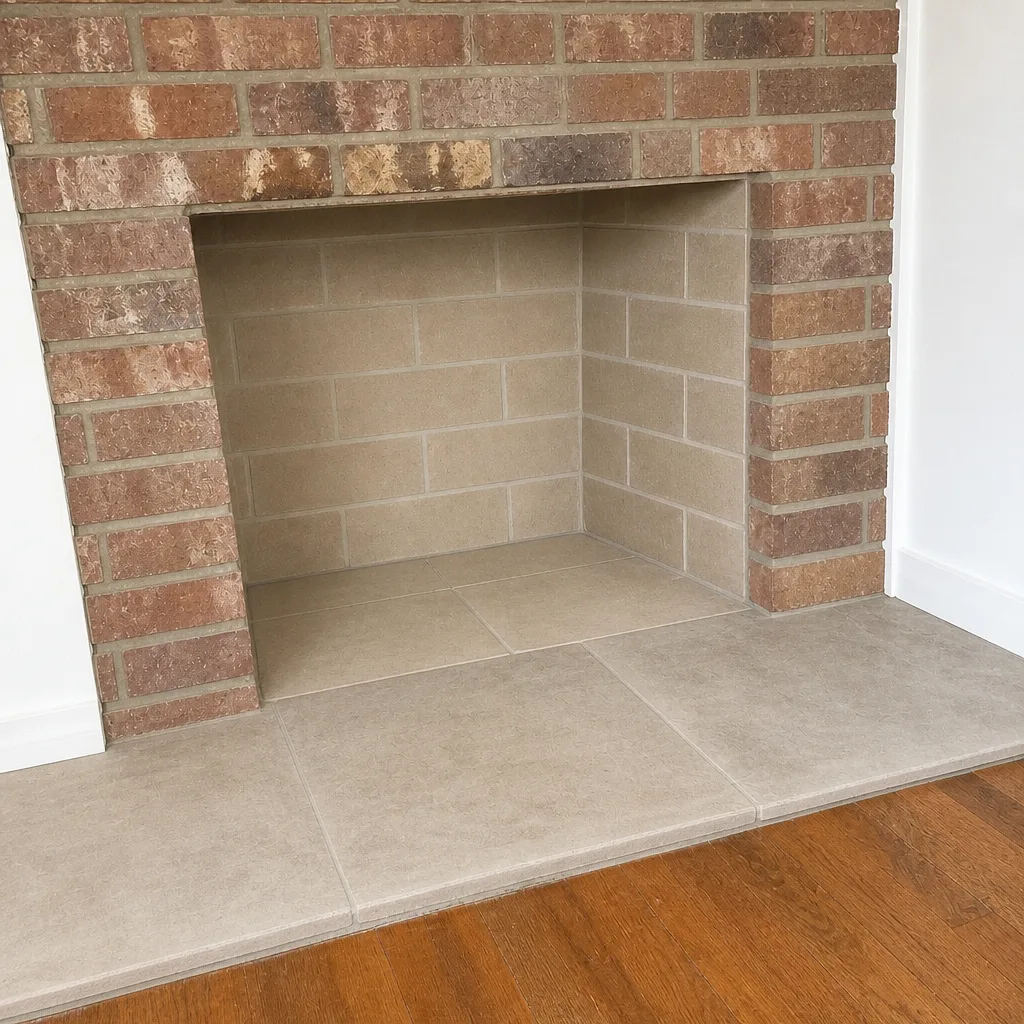
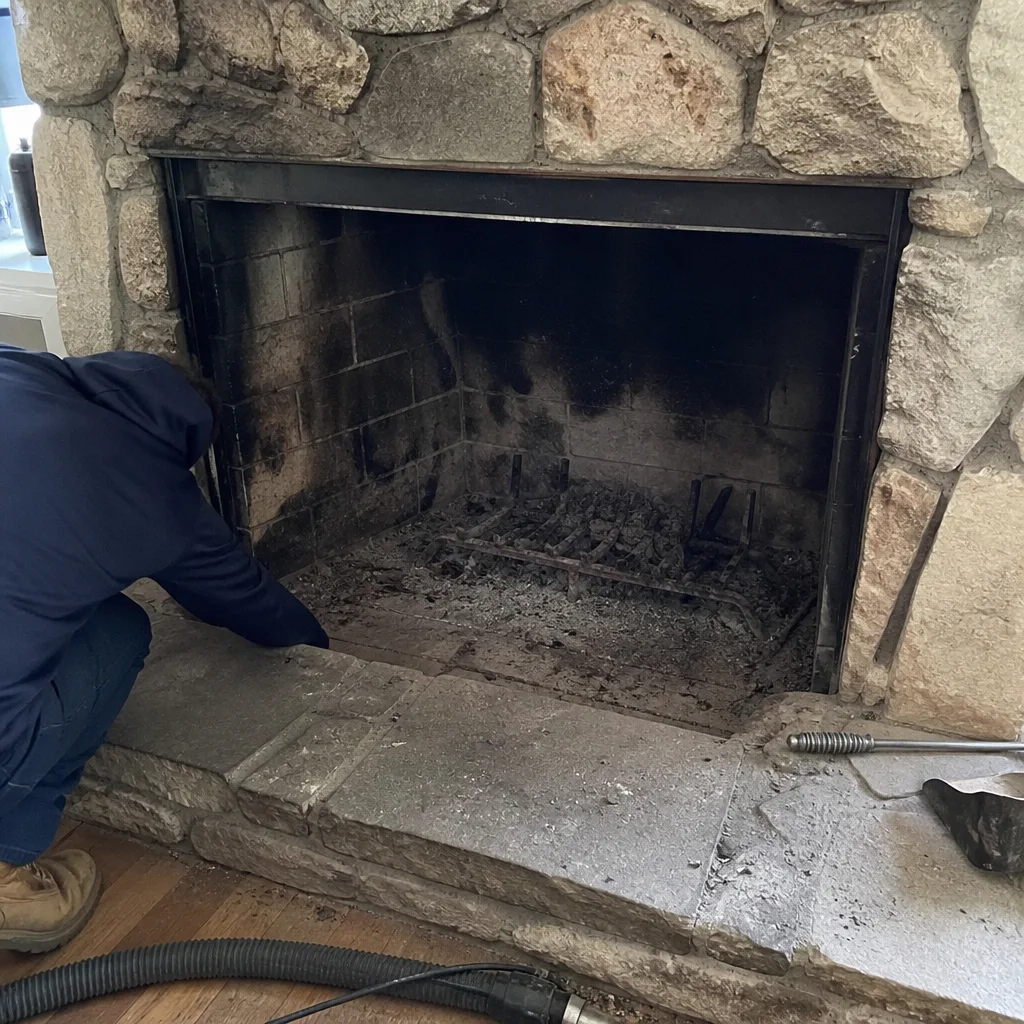
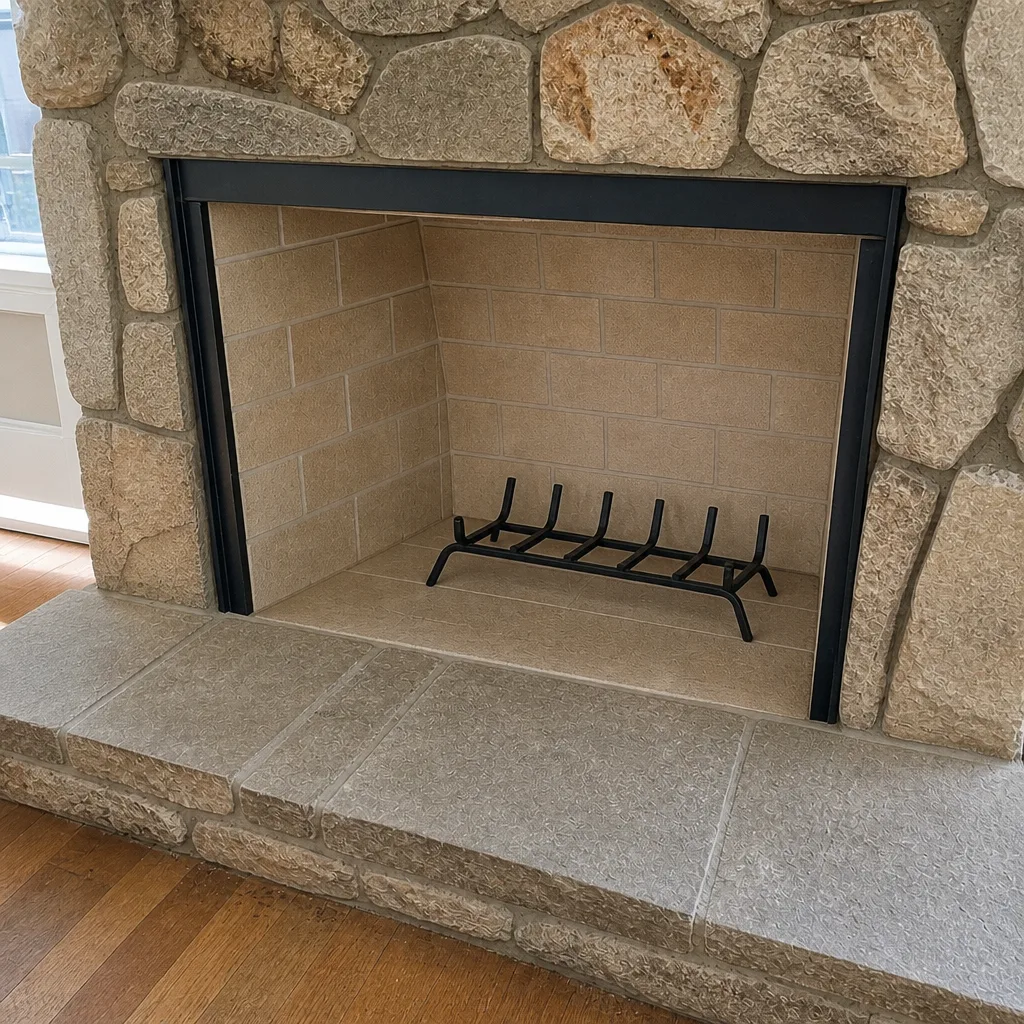
See the difference
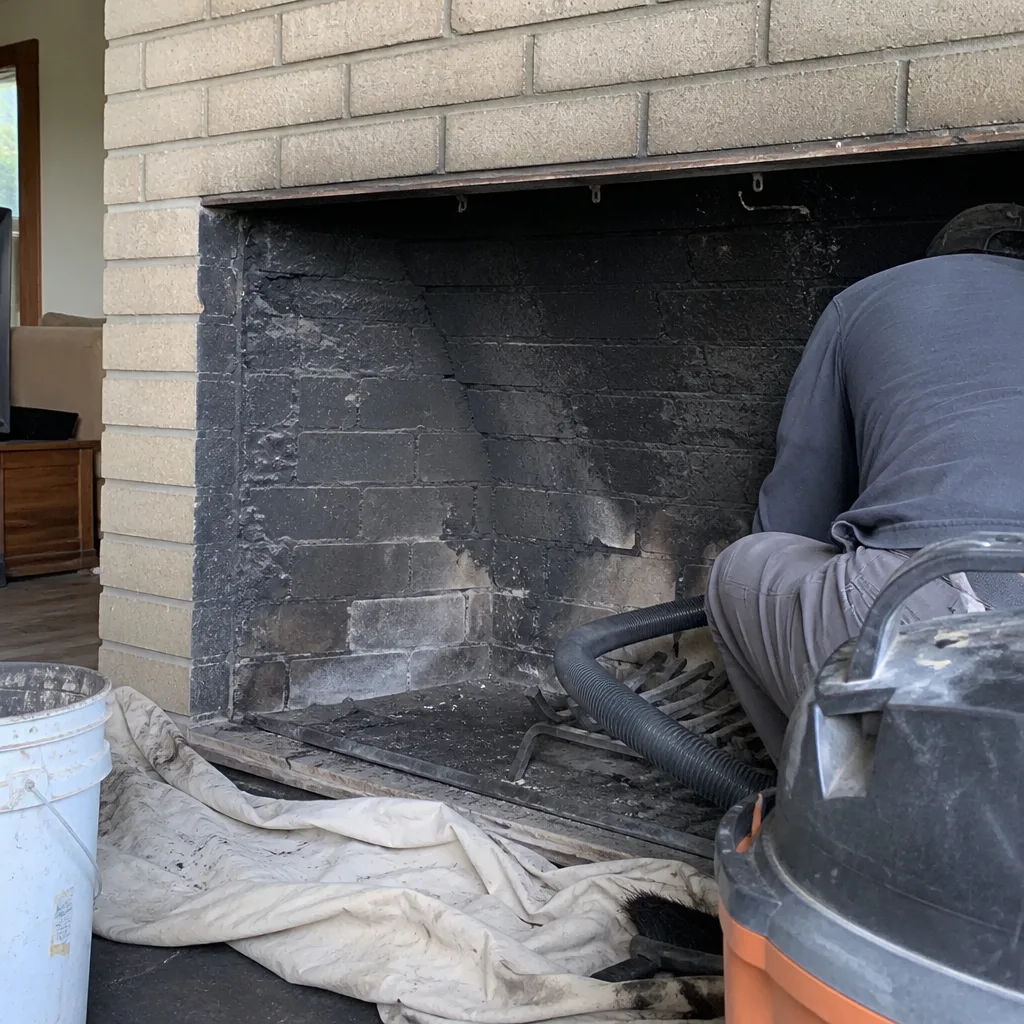 Before
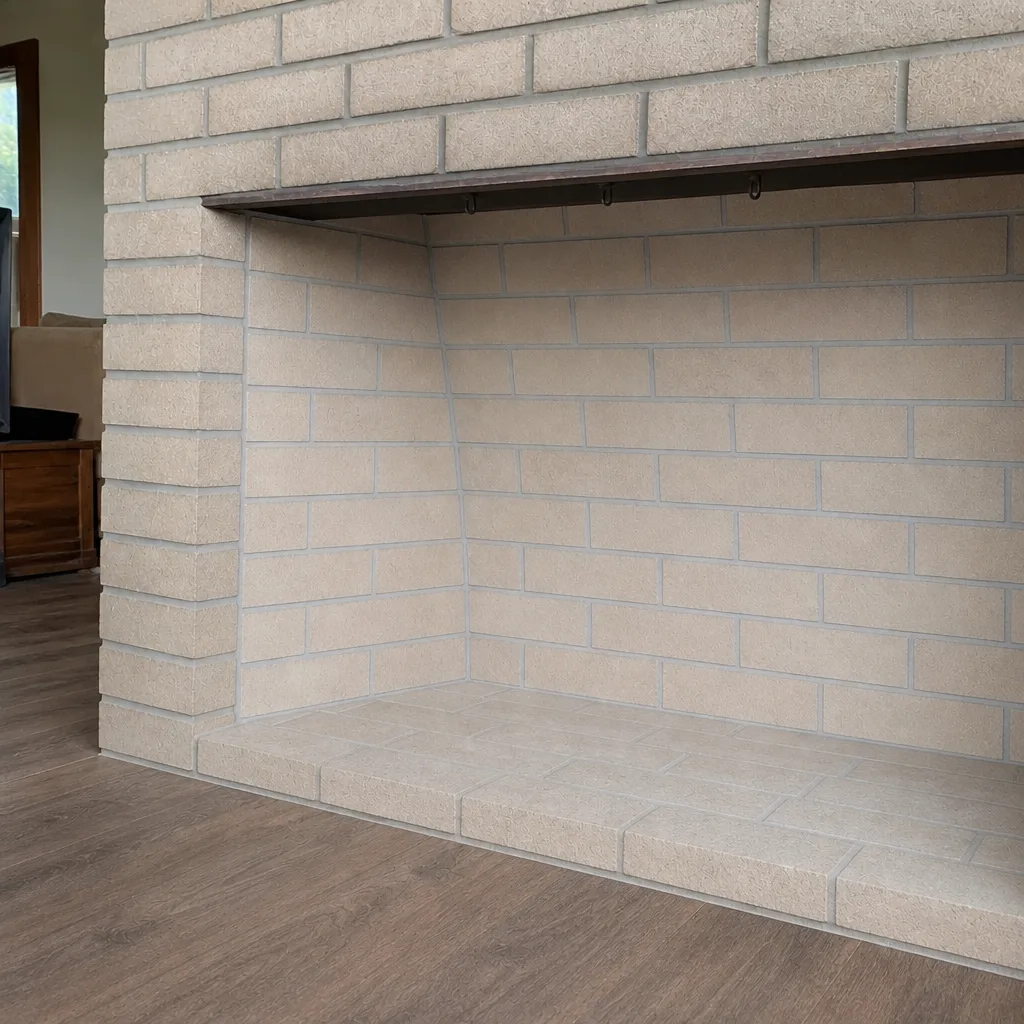 After
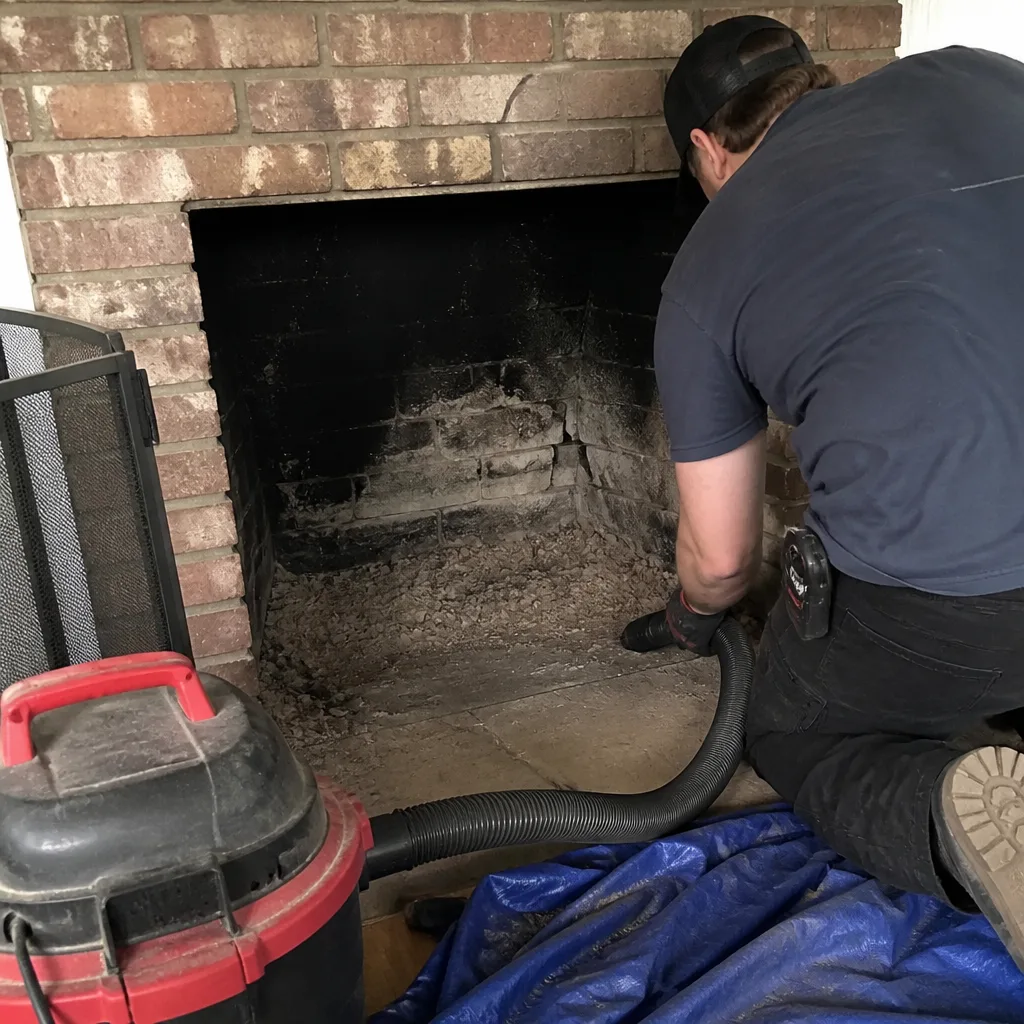 Before
 After
 Before
 After
When to Call a Professional
Call a professional when a red flag shows up, when your cord count passes one, when a crown or cap has failed, when you’re buying or selling a home with a chimney, or when the firebox itself shows loose mortar or cracked tile. Call when a carbon monoxide alarm has gone off, when smoke rolls into the room, or when an animal has gotten into the flue. Call before switching fuel type. Call if you have no record of a previous inspection because you’ve just moved into the house. Gresham Chimney Sweep offers free estimates in Gresham. Call (833) 538-5519. We answer 24/7, with fast dispatch from 7am to 7pm, Sunday through Friday.
When you call, have three things ready: the last time the chimney was swept (even approximately), roughly how much wood you’ve burned since, and whether the chimney is masonry or metal. Those three answers make the first conversation useful in about thirty seconds. They also tell us whether the visit should be a chimney repair call, a sweep, an inspection, or a combination, and let us say honestly whether anything on your list can safely wait.
Frequently Asked Questions
A standard chimney sweep in the Gresham area typically falls in the $180 to $340 range for a straightforward sweep and inspection. Costs go up if the deposit layer is heavy, glazed, or the flue needs a camera inspection beyond the standard one. Prices are set per job by the written estimate, which is free. Call (833) 538-5519 for an exact quote for your chimney.
Not always. A liner needs to be replaced when the clay tiles have cracked through or separated, or when a metal liner has failed. A HeatShield resurfacing handles some cracked tile liners without full replacement, which is a real alternative when the cracks aren’t structural. You don’t have to take any of this on trust: a camera inspection with a photo report shows the condition, and nothing gets recommended without that evidence. Call (833) 538-5519 to schedule the inspection.
Sweep when you’ve burned about one cord of wood or a quarter-inch of creosote has built up on the flue, whichever comes first. For a household burning two or more cords a season, that means sweeping mid-season as well as at the start. For a gas insert used occasionally, the annual inspection matters more than the sweep itself. Call (833) 538-5519 for a schedule that matches your use.
Two things, and neither is cosmetic. Creosote builds up in layers that ignite at chimney-fire temperatures, and a chimney fire can damage the flue and spread into surrounding framing. Separately, a blocked or damaged flue can let carbon monoxide back into the living space. Skipping a year doesn’t guarantee a chimney fire, but it does move a household from “managed” to “unverified.” Call (833) 538-5519 to get back on a schedule.
Yes. Gas inserts need annual inspection even though they don’t produce creosote. The items we check are vent termination, blockage, appliance connection, and clearances. A gas flue that vents incorrectly is a carbon monoxide concern, which is why the inspection matters even on a fireplace that “doesn’t do anything.” Call (833) 538-5519 to schedule.
A sweep removes creosote and debris from the flue; an inspection evaluates the condition of the liner, crown, cap, smoke chamber, and firebox. Both are annual items for a masonry chimney used for wood, and both can be handled on the same visit. Call (833) 538-5519 and tell us your fuel type and burn volume; we’ll match the visit to what you actually need.
The Bottom Line
Build your chimney maintenance checklist around how your household actually heats, not a generic annual calendar. Sweep at one cord or a quarter inch of deposit. Inspect annually regardless of use. Check the crown, cap, and firebox yourself between professional visits and note what you see in a log that follows the chimney through repairs and ownership changes. Sort your chimney as masonry or metal, since the two have different task lists. Gresham’s wet-dry cycle makes crowns and mortar joints the wear parts, so check them twice a year, not once. When a red flag shows up, stop burning and call. Gresham Chimney Sweep offers free estimates in Gresham: call (833) 538-5519 to book a sweep, inspection, or repair. A single visit covers all three with the professional-grade materials and the camera evidence you need to make a confident decision.
Written by the team at Gresham Chimney Sweep.