
Last updated November 16, 2026
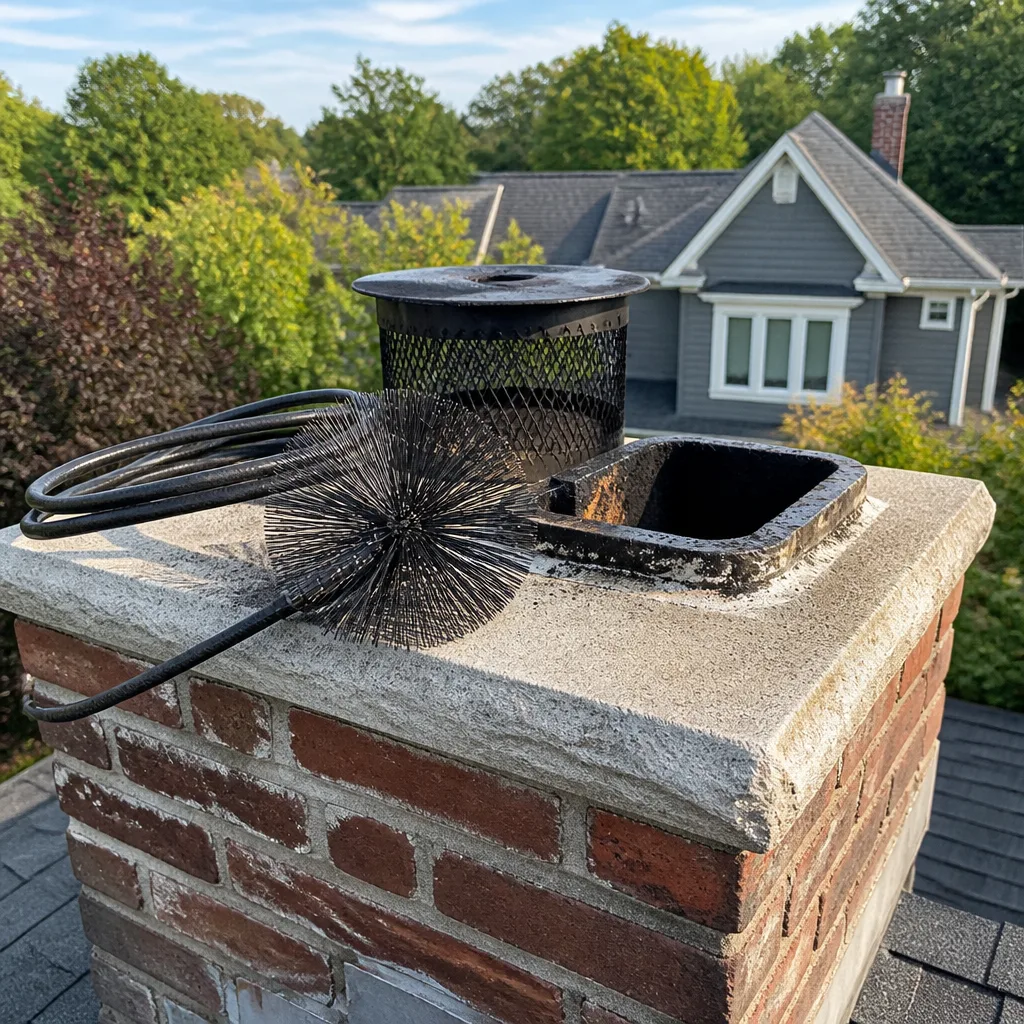 Sweep & inspection
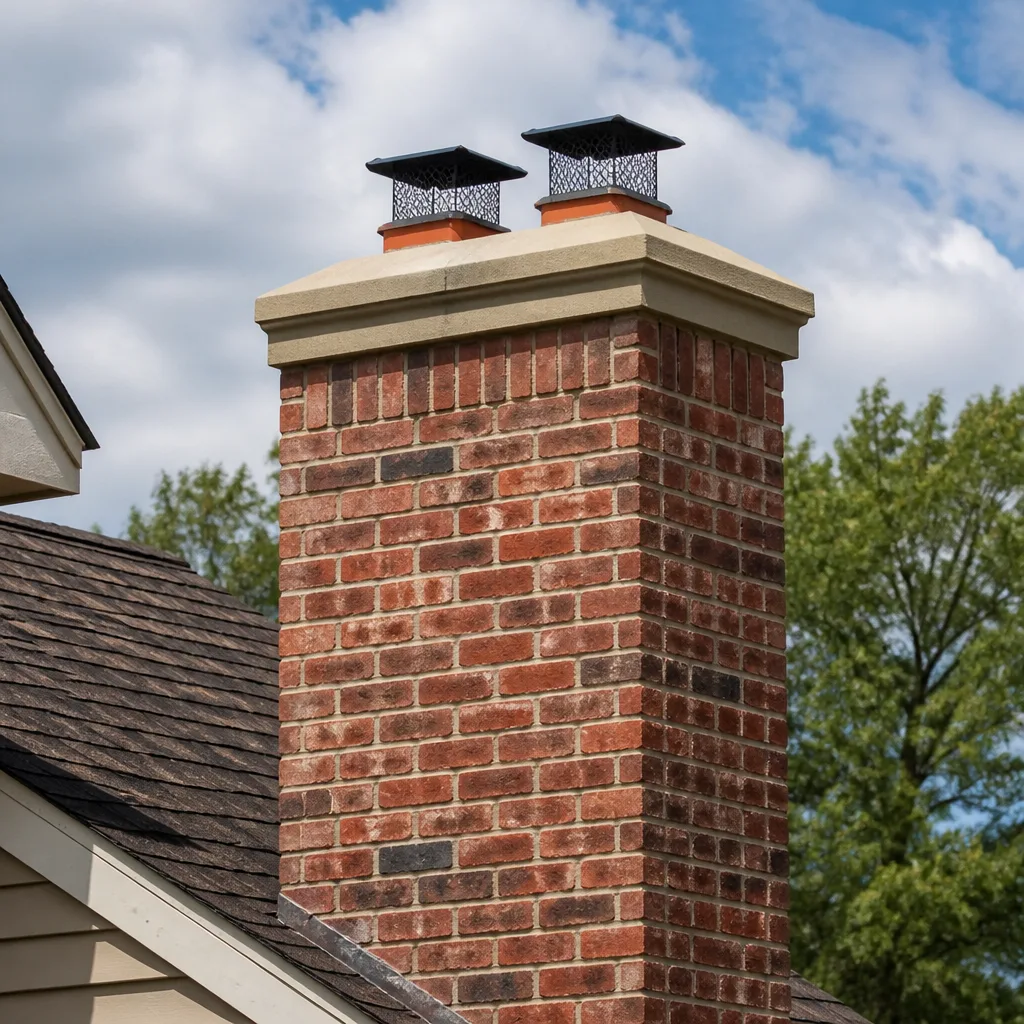 Caps & crowns
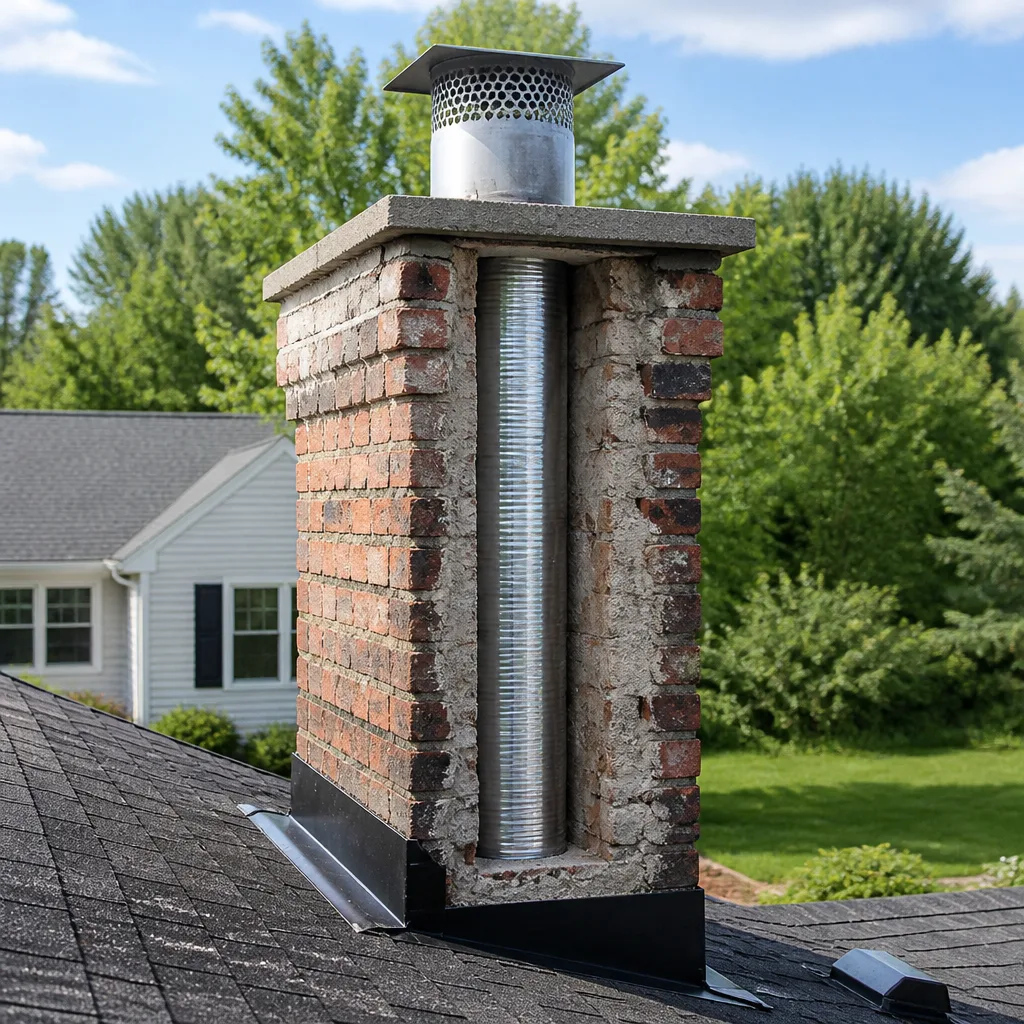 Flue relining
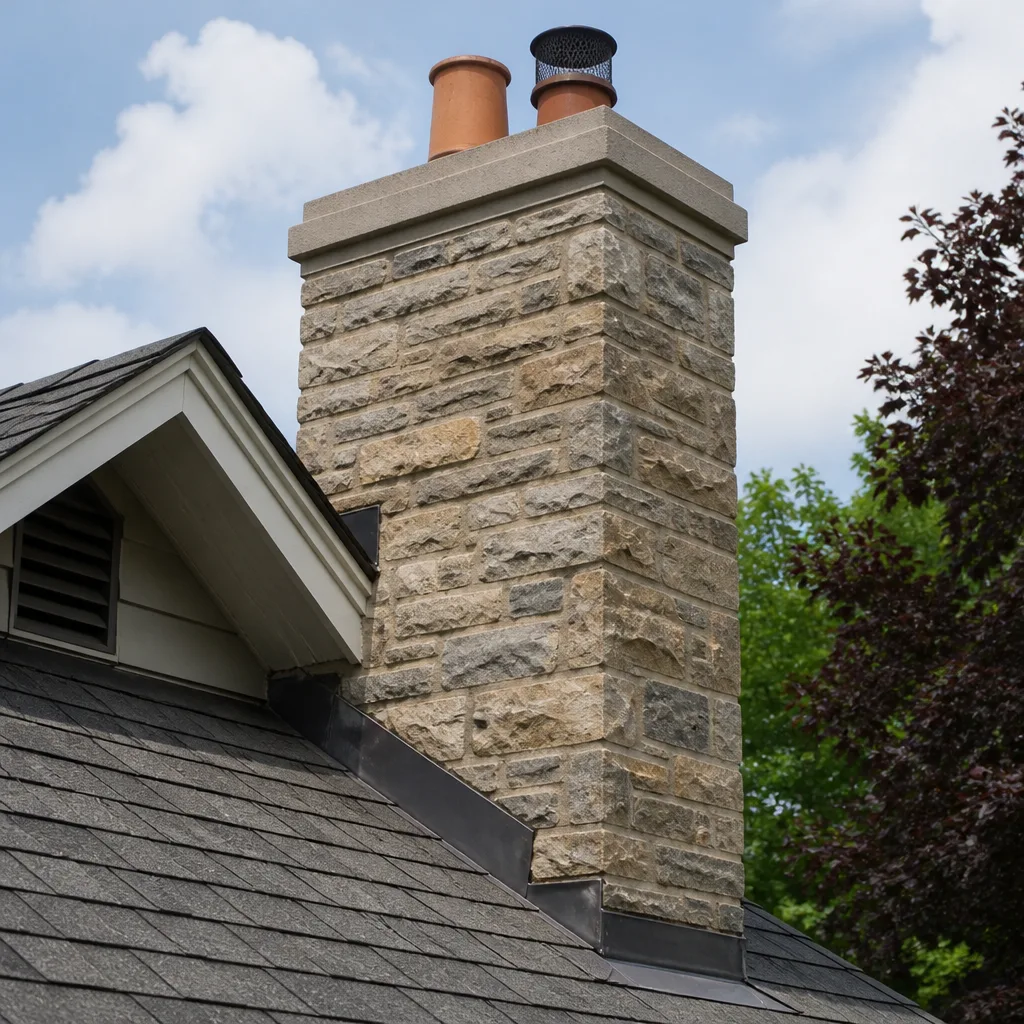 Masonry repair
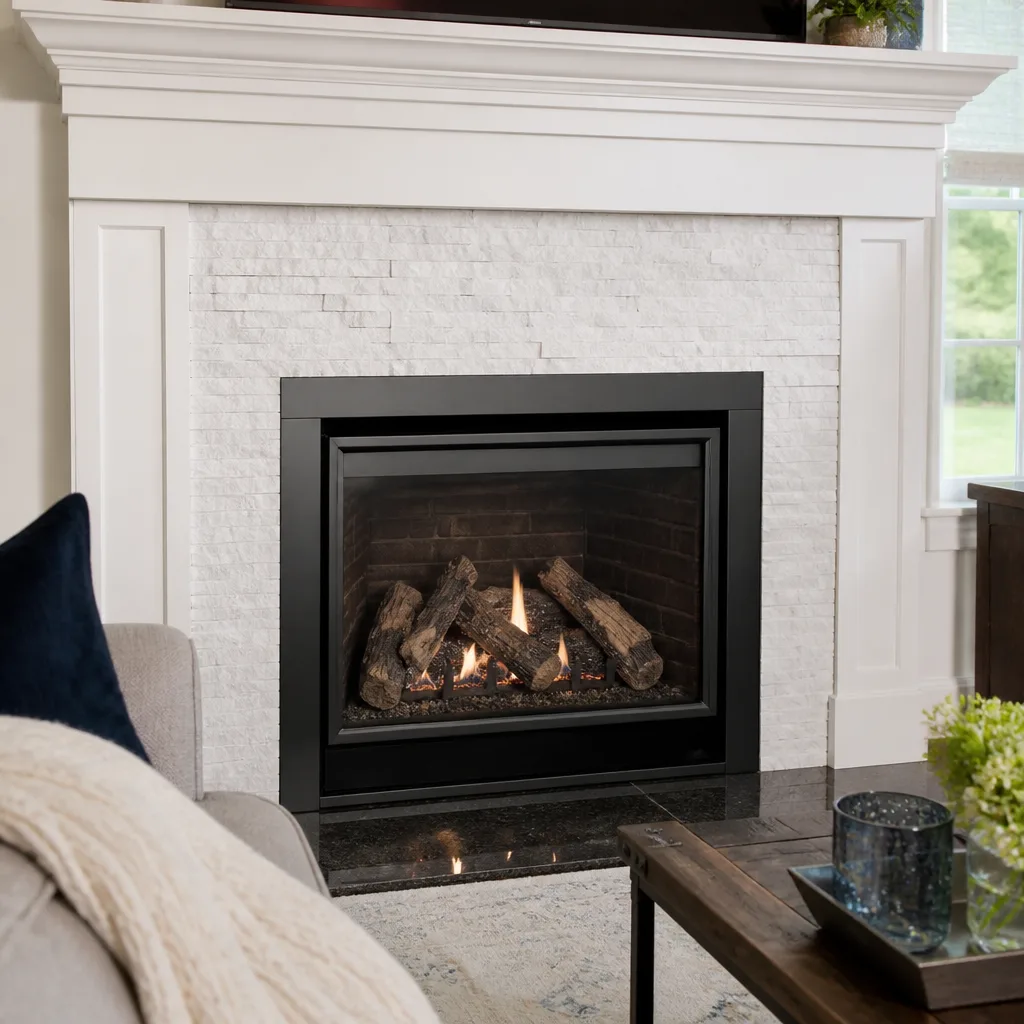 Gas fireplace service
Level 1 sweep and inspection to the NFPA 211 annual standard - flue, crown, cap, and flashing checked and photographed
Chimney sweep logs do not sweep chimneys. They loosen some creosote - which then falls where a brush and vacuum still have to collect it.
Chimney Sweep Troubleshooting in Gresham: Common Problems and How to Fix Them
If your fireplace smokes into the room only on cold startup, then clears after ten minutes, you’re likely dealing with a pressure stack problem, not a dirty flue. That single distinction saves Gresham homeowners a lot of guesswork. Most of what gets filed under “chimney issues” is actually one of four or five specific, diagnosable problems, and each one behaves differently. A flue packed with creosote restricts flow all the time. A cold chimney that hasn’t warmed up yet only misbehaves at the start. An animal nest blocks things suddenly and completely. A house under negative pressure smokes on windy days and calms down when a window cracks open. This guide teaches you to read those signatures accurately, so you know what you’re looking at before you call anyone, and so you can have a real conversation with a professional instead of accepting whatever gets proposed. You’ll learn the symptom-to-cause map, why western Oregon’s wet winters stress masonry in ways drier climates don’t, how smell identifies problems, and which situations are safe to watch versus which need attention now.
Quick Answer
Smoke coming into the room usually traces to one of four causes: a cold flue that hasn’t established draft yet (smokes briefly at startup, then clears), a physical blockage like a nest or debris (smokes every time until cleared), a pressure imbalance in the house (smokes on windy days or when exhaust fans run), or a heavy creosote restriction (weak, lazy smoke with poor pull). Match your symptom’s timing and pattern to the cause before booking a sweep, and never burn again on a chimney that’s smoking heavily, venting oddly, or smelling strongly of acrid creosote. If you’re unsure, an inspection settles it with a camera and a real look at the flue.
Styles & brands we work with
- Sweep & inspection
- Caps & crowns
- Flue relining
- Masonry repair
- Gas fireplace service
Table of Contents
- Reading Your Symptom: Backdraft, Blockage, Draft Pressure, or Creosote
- Why Smoke Rolls Into the Room on Cold Startup
- How Gresham’s Wet Winters Damage Masonry and Firebox Liners
- The Smell Test: Musty, Acrid, or Sulfur
- Creosote Stages and What Each One Means for Your Chimney
- What You Can Safely Monitor vs. What Needs a Technician Now
- What a Camera Inspection Reveals That a Flashlight Cannot
- Repair Options: Caps, Liners, Resurfacing, and When Each Fits
Reading Your Symptom: Backdraft, Blockage, Draft Pressure, or Creosote
The fastest way to understand a chimney problem is to watch *when* it happens. Four causes cover most of what we see in Gresham homes, and each has a distinct behavioral signature. Learning them is the single most useful troubleshooting skill a fireplace owner can build.
- Backdraft (cold-flue smoke): Smoke spills into the room for the first five to fifteen minutes after lighting, then settles into a normal burn. It’s a draft problem caused by a cold chimney that hasn’t warmed enough to pull upward. Common on frosty mornings and during shoulder season in Gresham, when the firebox is cold and the outdoor air is cool and still.
- Blockage: Smoke backs up immediately and stays bad. The fire may burn poorly or struggle to light at all. This points to a nest, a fallen cap, leaves, or heavy soot near the top of the flue. No amount of “warming it up” fixes a physical obstruction, and it needs to be cleared before the next fire.
- Pressure imbalance: Smoke rolls in on windy days, when the kitchen fan runs, or when the dryer is going. It improves when a nearby window cracks open. The chimney itself may be fine; the house is pulling air down the flue because interior air pressure drops below outdoor pressure.
- Creosote restriction: The fire burns but the smoke is lazy and weak, the wood is harder to keep going, and the smell intensifies when you open the damper. The flue has narrowed from buildup, reducing its cross-section and pulling poorly.
Two problems frequently overlap. A cold, damp chimney with moderate creosote buildup will both backdraft at startup and burn poorly once it’s warm. That’s why a proper evaluation has to look beyond the immediate symptom to the condition of the flue. When the diagnosis is genuinely unclear, a technician can confirm the cause with a camera inspection and a look at the firebox and smoke chamber before recommending anything.
Why Smoke Rolls Into the Room on Cold Startup
Smoke that spills briefly at lighting and clears within ten or fifteen minutes is a cold flue problem, and it’s the most common thing we hear about in Gresham when the weather turns. Here’s what’s actually happening: a chimney starts pulling draft only after the air inside it warms up. Warm air rises, and until it does, the flue behaves like an open conduit to the outside, so cold outdoor air pushes down. Light a fire and you briefly have two competing airflows at war with each other while the flue warms.
Gresham’s climate makes this worse than it would be in a dry climate. A chimney sitting idle for a week through a wet stretch absorbs moisture. That damp air weighs more than dry air, so it takes longer for the fire’s heat to lift it out of the flue. Between fronts, the outdoor air is often cool and heavy, and the pressure differential that ordinarily helps you pull smoke up isn’t there yet.
Several fixes reduce or eliminate the problem:
- Pre-warm the flue before lighting. Holding a lit rolled newspaper or a small piece of kindling up near the open damper for a minute or two warms the air column and starts the draft before you set the fire.
- Open a nearby window a crack during the first ten minutes. It relieves the low-pressure situation in the house and lets the chimney pull.
- Turn off exhaust fans briefly: kitchen vents, bathroom vents, and clothes dryers all pull air out of the house, and a tight house may find its makeup air by pulling it down the chimney.
- Check your cap. A cap that’s partially blocked with debris or a mesh that’s clogged with soot restricts airflow even further.
- Keep the firebox properly sized. Oversized fires can overwhelm a flue that’s still cold, especially in an older Gresham home with a small flue.
If pre-warming consistently fixes the problem, the flue itself is probably fine. When it doesn’t, or the spill deepens instead of clearing, the cause is more than cold air. That’s the point where a proper chimney sweep and inspection pays for itself.
How Gresham’s Wet Winters Damage Masonry and Firebox Liners
Western Oregon’s wet months work on masonry in a cycle that drier climates don’t produce. Brick, mortar, and the firebox liner are porous to some degree. When the masonry absorbs moisture during the rain, then warms and dries as a fire burns, the trapped water turns to vapor and expands. Repeated through a heating season, that expansion and contraction pushes mortar joints and any weak spots apart. Over years it produces spalling, where the face of a brick flakes off, and cracking in the firebox, smoke chamber, and crown.
Gresham sits right in that cycle. Wet, cool falls give way to cold, damp winters with intermittent dry spells, and the moisture-load/unload rhythm pushes masonry harder than it would be in a drier place with cleaner seasonal swings. Homes in the older neighborhoods with exposed crowns and thin mortar joints tend to show it first: a crumbling crown, dark stains on the chimney’s exterior, or hairline cracks in the firebox walls that widen over a season.
What to watch for, without climbing anything:
- White powdery stains on brick or mortar (efflorescence) mean moisture is migrating through the chimney and drying on the surface.
- Cracks in the firebox walls, especially where the wall meets the floor, are a repair signal, not a monitor-and-wait situation.
- A crown that’s crumbling or has lost its slope lets water pool and seep downward into the chimney structure.
- Musty smells from the firebox in wet weather often mean water is finding its way into the smoke chamber or flue.
- Flashing at the roofline is where a lot of water intrusion starts in Gresham. Poorly sealed flashing around the chimney shows up as interior ceiling stains far from the roof.
Masonry damage compounds. A cracked crown that goes unrepaired for a season lets in enough water to crack the firebox next. That’s why addressing water at the top of the chimney is usually cheaper than rebuilding the inside of it. When we see interior damage from a wet flue, the repair conversation gets real fast: some cracks call for resurfacing with HeatShield, some for spot repair, and some for relining, depending on how deep the damage runs. What’s on the table depends on what the camera shows, not on what the outside looks like.
The Smell Test: Musty, Acrid, or Sulfur
Smell diagnoses a chimney as reliably as smoke pattern does, if you know what you’re smelling. Three categories cover almost everything homeowners report, and each one points to a different cause.
Musty or earthy
A musty smell from the firebox or chimney during wet weather usually means moisture is trapped in the flue, the smoke chamber, or the masonry itself. It rhymes with the smell of a damp basement. The cause is often rain getting past a cracked cap, a failing crown, or damaged flashing, combined with airflow that has been restricted by an object in the flue. A chimney that only smells musty in the wet months but smells fine in summer is showing you the moisture cycle in action. A camera inspection shows whether the problem is at the top, in the flue, or in the smoke chamber.
Acrid or sharp
An acrid, tarry, or sharp smell when the damper opens points to creosote, and the sharpness increases with the stage. Stage 1 creosote smells like soot. Stage 2 smells stronger and often looks like flaking, curled deposits on the flue walls. Stage 3 is a hardened, glazed coating that smells strongly and is the most dangerous to leave in place. If you’re catching an acrid smell after a fire and the flue hasn’t been cleaned in a while, book the sweep before the next burn. This is the stage where a chimney fire risk lives.
Sulfur or rotten-egg
A sulfur smell is a different animal. Gas appliances and gas inserts can give off a faint sulfur smell when something is wrong with combustion or venting, and that needs immediate attention from whoever services the appliance. A dead animal or nest decay in the flue can also produce a foul smell, but it’s usually less sharp and more like decay than sulfur. When you can’t distinguish the two, treat it as a professional call. We also get calls about a smell only when the furnace runs (that’s usually a flue that shares the chimney with the furnace vent) and about a smell that appears only on windy days (pressure). The pattern tells half the story before anyone touches the chimney.
Creosote Stages and What Each One Means for Your Chimney
Creosote is the reason chimneys get swept. It’s the residue produced when wood smoke cools on the flue walls, and it comes in three forms, each with different removal difficulty and risk. Knowing the stages helps you understand what a sweep is dealing with and why a routine cleaning sometimes turns into a repair conversation.
- Stage 1: Soot and light flake. The easiest form. A stiff brush clears it in a normal sweep. Stage 1 builds up from regular burning and is exactly what routine maintenance addresses.
- Stage 2: Compacted flake and crust. Harder, more consolidated. A standard brush still clears it, but it takes longer and usually signals that the chimney is past due for a sweep. This stage is common in Gresham homes that burn a lot of wood through wet winter months with a mix of green and seasoned wood.
- Stage 3: Glazed, hardened creosote. This is a fuel. It looks like a shiny, tarry coating on the flue walls and can ignite, which is the mechanism behind most chimney fires. Removing stage 3 is not a brush-and-go job; it often takes chemical treatment and specialist tools, and sometimes the flue needs relining afterward if the coating has damaged the liner walls.
Two things accelerate creosote. Cool or smoldering fires produce more of it than hot, well-established fires. Unseasoned or wet wood produces more than dry, seasoned wood. Gresham’s wet winters make it easy to slip into prolonged low, damp burns, and that’s exactly the pattern that builds creosote faster than the homeowner expects.
We use professional sweep equipment and camera inspection to see how far buildup runs up the flue, not just at the firebox. Light-flake creosote in a one-story chimney is one thing. Heavy crust all the way to a T-junction in a two-story flue is another, and the sweep method follows the diagnosis. This is also where the flue’s construction matters: older clay-tile liners crack under the heat of stage 3 fires, and a cracked liner lets creosote vapor reach the framing of the house. If the inspection reveals cracking, the next conversation is a chimney repair, and it should happen before the next season’s fires.
What You Can Safely Monitor vs. What Needs a Technician Now
Not every problem requires a call today, and not every problem can wait. The distinction matters because panic-scheduling and unnecessary repairs are both real risks. Here’s how we split the two.
Safe to monitor for now
- Occasional startup smoke that clears within ten minutes when you pre-warm the flue.
- A faint sooty smell that appears only in wet months and clears when the chimney dries.
- Mild efflorescence on the exterior of the chimney (white powdery stains).
- A chimney cap that’s dented or has slipped and is still covering the flue, when no smoke has backed into the house.
- Slight wind-driven smoke on very gusty days that resolves with a window cracked.
Needs professional attention before the next fire
- Smoke rolling into the room immediately and not clearing. Suspect a blockage and stop using the fireplace.
- Any smell of acrid or tarry creosote when the damper opens, especially after a fire you know ran hot or long.
- Cracks in the firebox walls, the smoke chamber, or visible damage to a clay-tile liner.
- A chimney fire, even a small one. The flue needs to be inspected for damage before it’s used again, no exceptions.
- Water stains on interior ceilings, walls near the chimney, or inside the firebox.
- Backdraft that persists even after pre-warming and opening a window.
- Any smell of sulfur when a gas appliance is running. Treat it as a safety call.
The rule of thumb: if the symptom gets worse over time or leaves evidence behind, it’s a call. If it comes and goes with weather, is brief at startup, or is cosmetic, it can usually wait for a scheduled inspection. The honest version of that rule is that most “maybe” situations are settled by an inspection rather than guesswork, and that’s the point of the visit.
What a Camera Inspection Reveals That a Flashlight Cannot
A flashlight-and-mirror look is a real technique, and it shows you a lot about the firebox and the first few feet of flue. What it can’t show you is the rest of the flue. Chimneys are offset. They have smoke shelves, dampers, T-junctions, and caps. A firebox view stops where the flue bends or where smoke cuts off the light. Camera inspection runs the entire length, and the findings change the repair conversation.
Here’s what a camera reveals in practice:
- Liner cracking at depth. A hairline crack three feet above the damper that a mirror won’t turn up is a genuine repair finding. It’s also the kind of thing a sweep-only contractor may miss entirely.
- Creosote distribution at the top. Creosote often concentrates higher up the flue where the smoke is coolest. Seeing the actual extent is what determines whether a sweep alone will do the job.
- Obstructions that aren’t visible from below. Nests, birds, collapsed liner pieces, or the remains of a cap that fell in.
- The condition of the smoke chamber. The “smoke shelf” area between the firebox and the flue is where a lot of undocumented damage lives, and it’s where a lot of backdraft problems actually originate.
- T-junction condition in two-flue chimneys. Where a fireplace flue and a furnace flue share a stack, the junction is where cross-contamination and damage show up.
Camera inspection is worth the cost when any of the following are true: you’ve had a chimney fire, the chimney hasn’t been inspected in several seasons, you’re buying a home, you’ve had persistent backdraft, or you’re noticing interior signs of water. In Gresham, where wet winters push masonry hard, an inspection is the difference between replacing a cap and finding out next spring that a firebox liner needs resurfacing. The right approach is to recommend whatever the camera supports and no more. When a liner is intact and the creosote is stage 1 or 2, a sweep is the answer. When a liner has failed or a firebox is spalling, the camera shows why, and the repair options become a specific discussion instead of a sales pitch.
Repair Options: Caps, Liners, Resurfacing, and When Each Fits
The repair conversation should always start with the diagnosis, not the product. Here’s how the common repairs map to the problems this guide has covered.
Chimney caps and ventilation components
A cap is your first line of defense against water, animals, and wind-driven backdraft. We install caps from Gelco and Famco product lines, and for multi-flue chimneys we use Olympia Chimney and Copperfield components when a custom cover is the right fit. A damaged cap is often the cheapest repair on the list and the one that prevents the most damage. If your cap is missing a spark arrestor screen, birds and squirrels are getting in.
Flexible relining
When the flue’s clay-tile liner is cracked, badly spalled, or missing entirely, a stainless flexible liner is the standard professional repair. We install DuraFlex flexible liner systems because they’re the kind of liner professionals specify: appropriate for gas, wood, and oil appliances, and engineered for the insulation and clearance a safe flue requires. Relining is a real repair, not a cosmetic upgrade, and it’s the right answer when camera inspection shows a liner that can no longer safely contain the fire.
Resurfacing with HeatShield
When the liner is damaged but not beyond repair, resurfacing with HeatShield is often a better fit than a full reline. HeatShield is a specialist chimney resurfacing system applied to the interior of the flue to seal cracks and restore a smooth surface. Many sweep-only companies can’t offer it; we can, because the same team that inspects and sweeps also performs the repair. When a resurface is appropriate, it saves the customer the cost of a full liner. When it isn’t, we say so.
Crown and flashing repair
Water damage is the slow problem in Gresham. A crumbling crown or failed flashing near the roofline lets in the same moisture that splits brick and cracks fireboxes. Repairing the top of the chimney is usually cheaper than repairing the damage it’s causing underneath.
What doesn’t fix these problems
Spray-on products that claim to seal a flue from the inside without proper inspection, or a “sweep and it’ll be fine” approach when the camera shows a cracked liner, are not repairs. Chimney work is a safety discipline. The right repair is the one that matches what the flue actually needs.
Common Mistakes to Avoid
- Burning through a backdraft without diagnosing it. If smoke keeps rolling in past the first fifteen minutes, something besides a cold flue is wrong. Stop the fire, or you’re turning a draft problem into a fire-safety problem.
- Assuming a sweep alone will fix a smoking fireplace. A sweep removes creosote and soot. It doesn’t fix a cracked liner, a failed smoke shelf, or a pressure imbalance. In Gresham, the diagnosis comes first and the sweep follows.
- Trusting a flashlight check to rule out liner damage. A firebox view misses everything above the damper. If a chimney has been used for several seasons without an inspection, book one before you assume the flue is sound.
- Leaving a broken cap in place. A damaged cap lets water and animals in and lets creosote vapor out. It’s a cheap fix that prevents expensive damage.
- Burning wet wood to save on the wood bill. In Gresham’s wet winters, wood that’s been sitting outside without cover produces a lot of creosote and a lot of smoke. It’s the wrong trade.
- Treating a chimney fire as a small event. Even a chimney fire the homeowner “handled” can crack a liner or warp a smoke chamber. The flue needs a camera inspection before it’s used again.
- Skipping the annual inspection in a wet climate. Western Oregon’s winters are hard on masonry in a way that a drier climate isn’t. Deferring inspection here costs more than it does elsewhere.
Each of these mistakes shares a common root: treating a symptom as the whole problem. A homeowner who reads the smoke pattern, the smell, and the water signs correctly usually avoids all of them. If you’d like the once-over that settles the ambiguity, Gresham Chimney Sweep handles sweep, inspection, and repair with the same team, so nothing found in the inspection gets handed off to a second contractor to interpret.
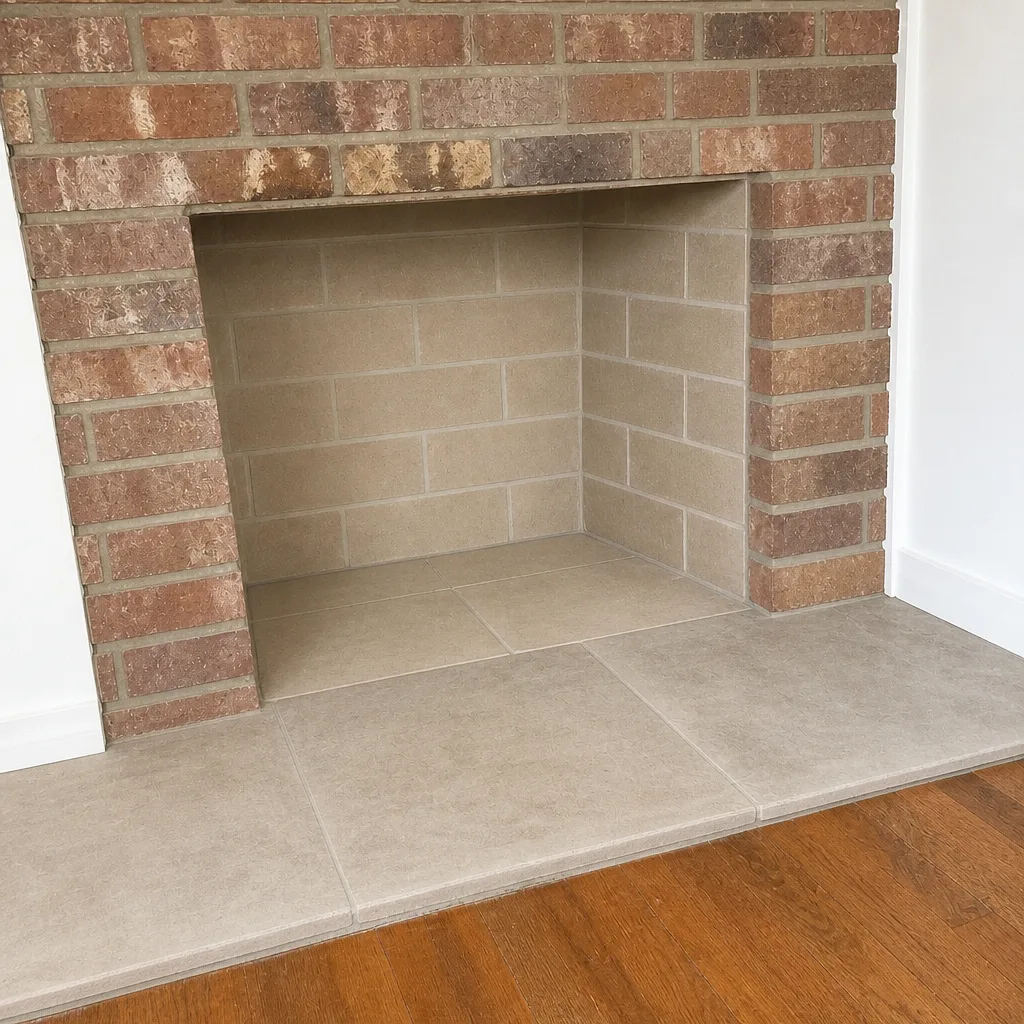
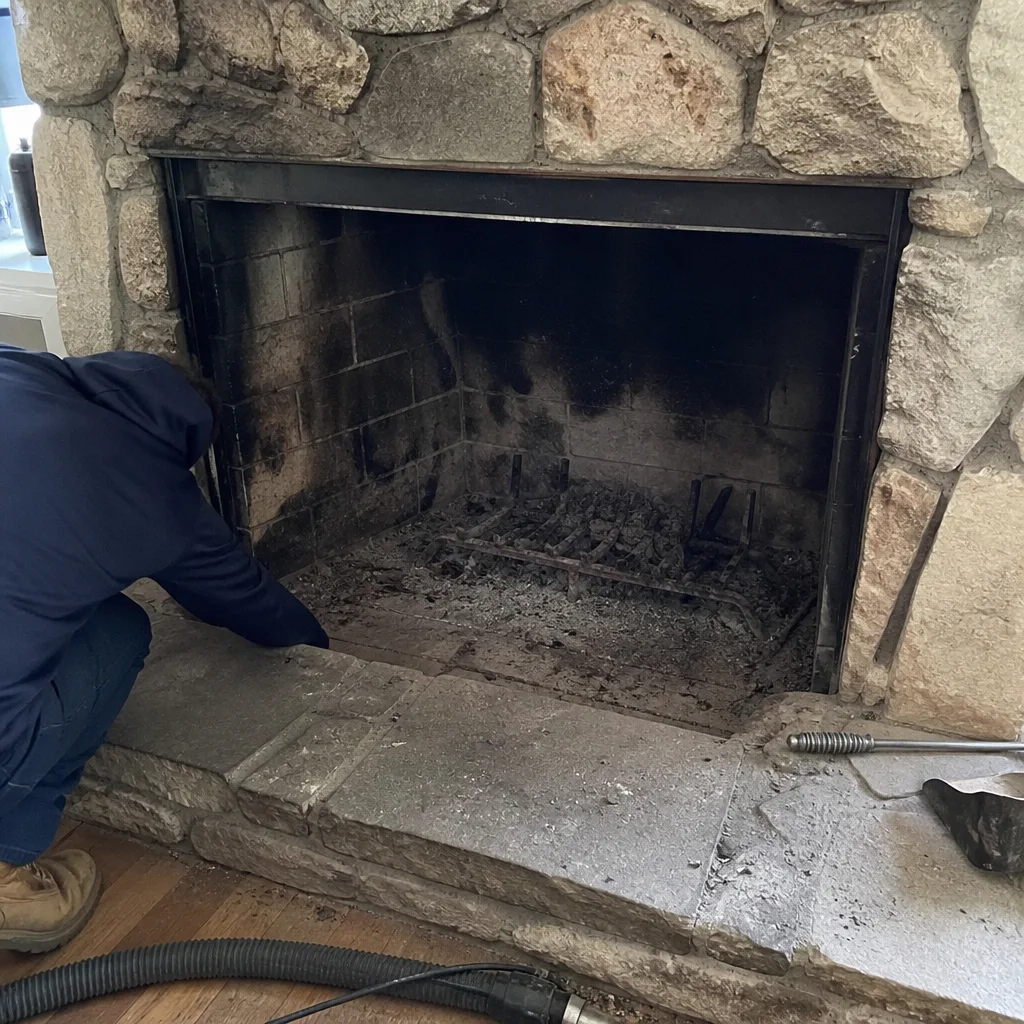
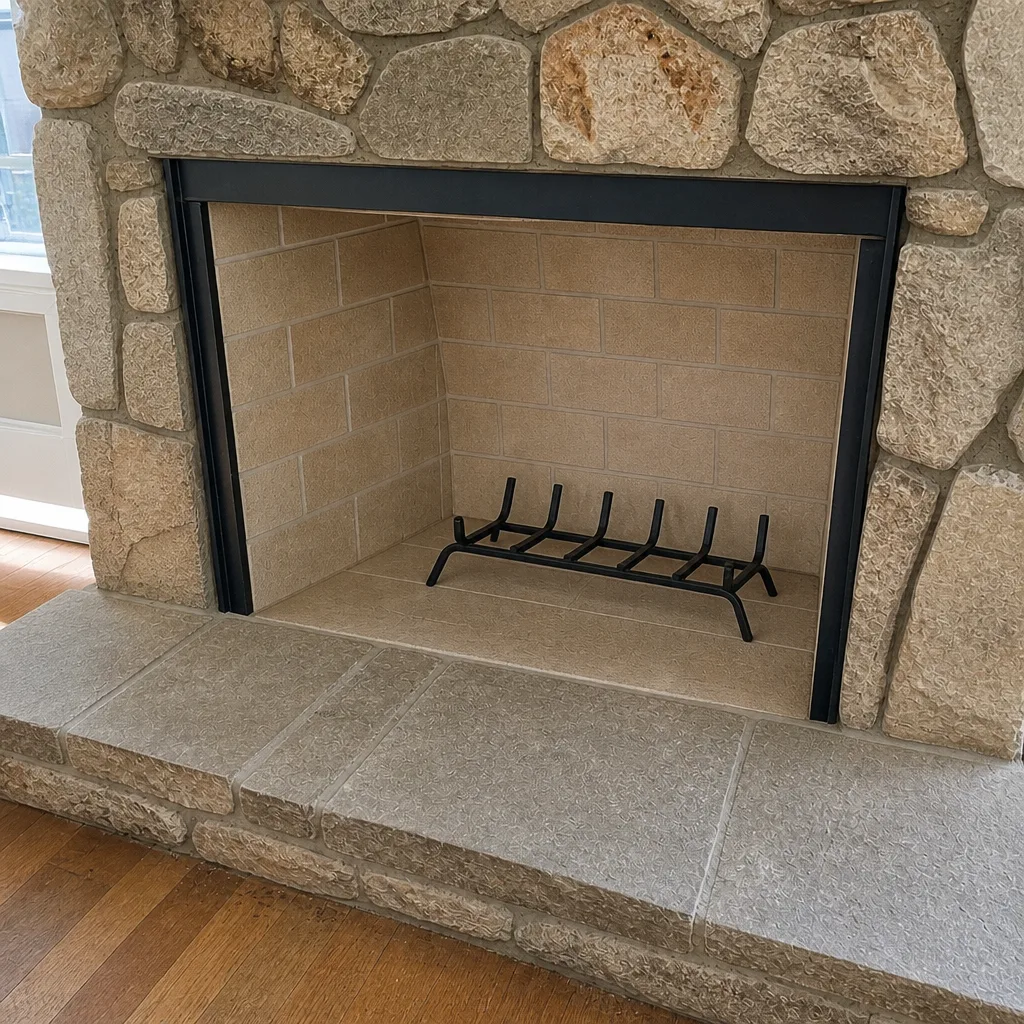
See the difference
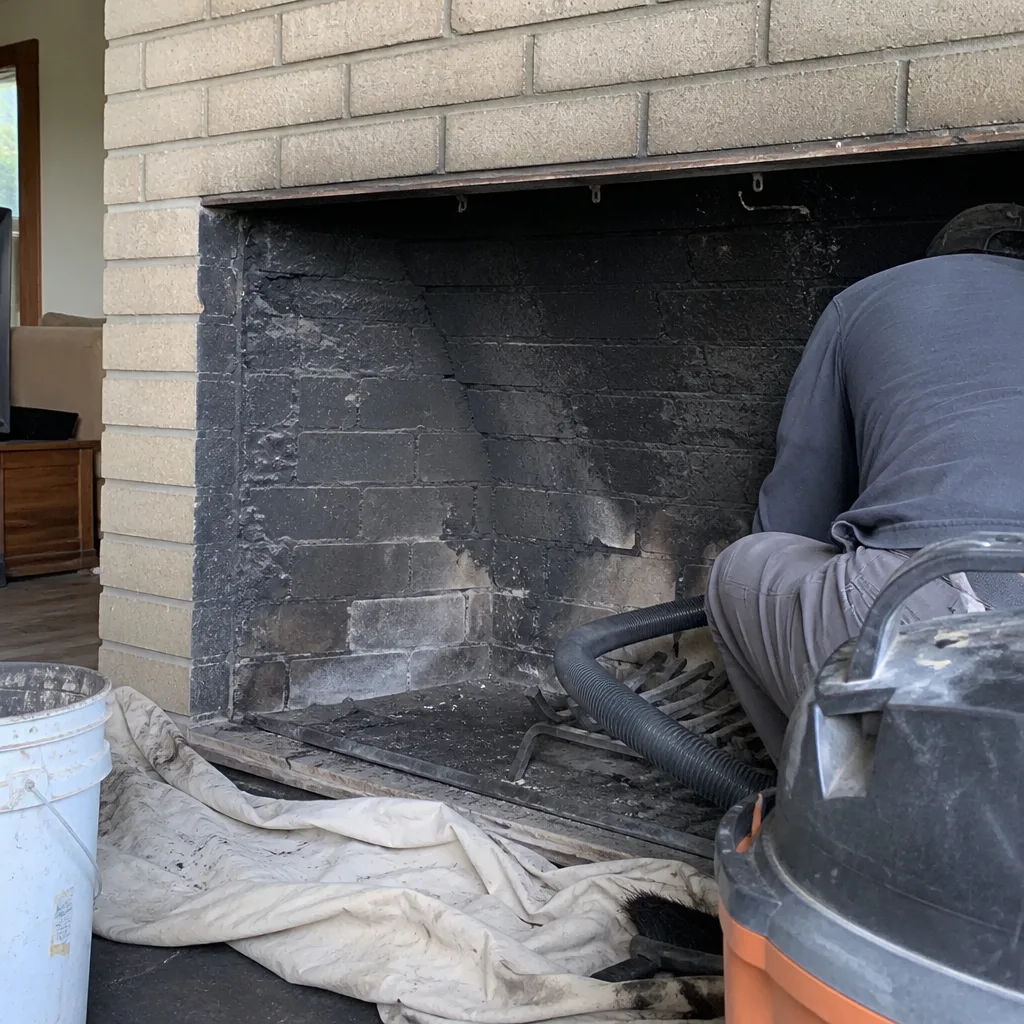 Before
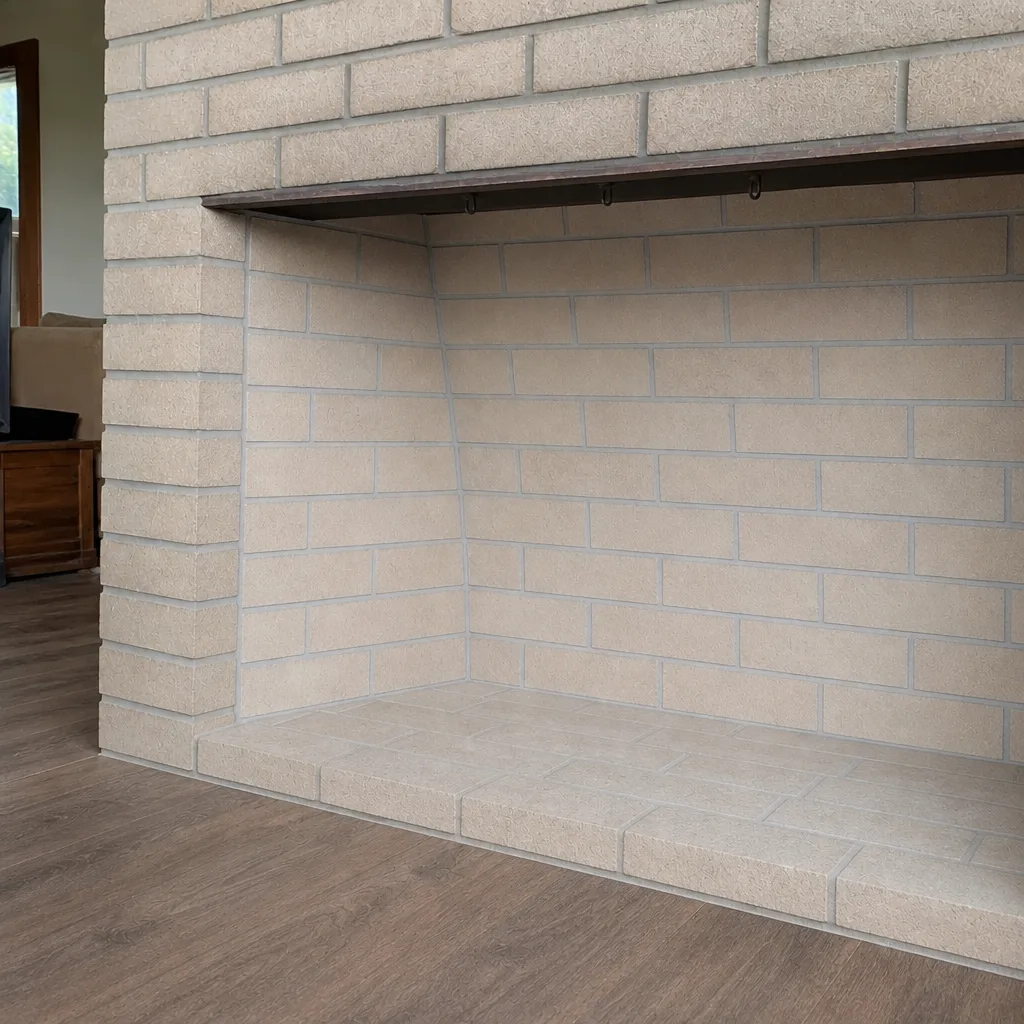 After
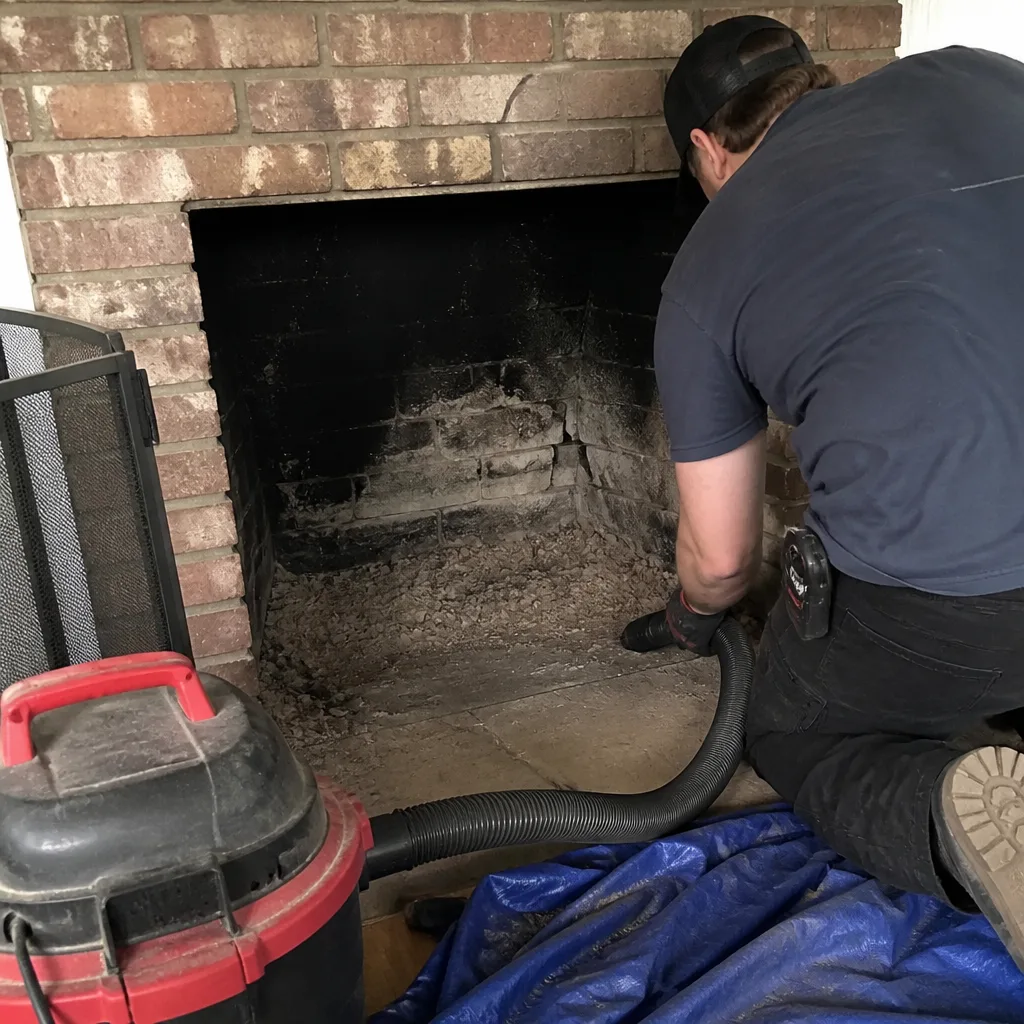 Before
 After
 Before
 After
When to Call a Professional
Call a professional when the symptom does one of four things: it persists past the first fifteen minutes of a fire, it comes with a smell you can’t identify (especially any sulfur smell near a gas appliance), it leaves visible evidence like cracking, water stains, or crumbling masonry, or it followed a chimney fire. Also call if it’s been several heating seasons since your last inspection, or if you’re buying a home in Gresham and want to know what you’re inheriting before closing. Anything involving the flue liner, the firebox walls, or the crown is a repair a trained technician should evaluate, not a do-it-yourself project. Our technicians have up to 14 years of experience, and we work with the professional product lines – DuraFlex for relining, HeatShield for resurfacing, and Gelco, Famco, Olympia Chimney, and Copperfield for caps and components – because the right materials make a lasting repair. Gresham Chimney Sweep offers free estimates in Gresham. Call (833) 538-5519. We answer 24/7. Fast dispatch from 7am to 7pm, Sunday through Friday.
Frequently Asked Questions
That’s a cold-flue problem, and it’s the most common cause of brief startup smoke. The chimney hasn’t warmed enough to establish upward draft, so outdoor air pushes down until the fire heats the flue. Pre-warm it with a lit roll of newspaper near the damper, crack a window, and turn off exhaust fans. If the smoke continues past fifteen minutes or deepens instead of clearing, something else is going on and it needs a look. Call (833) 538-5519 for an exact quote on an inspection – estimates are free.
Blockage smoke and draft smoke behave differently. Blockage smoke backs up immediately and stays strong, and the fire often struggles to light at all. Draft smoke appears briefly at startup and clears. If the smoke is consistent from the moment you light the fire, suspect a nest, a fallen cap, or a heavy creosote restriction and stop burning. A camera inspection settles it quickly.
Musty usually means moisture, not fire damage. In Gresham, wet winters and a chimney that isn’t fully sealed at the top will let this in. A damaged cap, a crumbling crown, or poor flashing is the typical source. It’s worth an inspection, and it’s often cheaper to fix than the damage the moisture is causing. Call (833) 538-5519 for an exact quote on a diagnosis – estimates are free.
Once a year for most homeowners who burn regularly, and more often if you’re burning a lot of wood through the wet months. The wet climate here builds creosote and stresses masonry in ways that drier places don’t, so annual inspection is the baseline. If you’re burning low, damp fires, or you notice a sharp smell when the damper opens, book sooner. Call (833) 538-5519 for an exact quote on a sweep – estimates are free.
Not until it’s been checked. An acrid creosote smell is your chimney telling you the buildup has reached a stage where a chimney fire is possible. That’s a stop-and-schedule situation, not a wait-and-see one. A sweep removes the buildup; a camera inspection confirms the liner wasn’t damaged by a previous fire.
Two reasons. The wet weather pushes moisture into the masonry, and moisture moves smells out of the flue. And the cool, heavy air makes the chimney slower to establish draft, so smoke lingers longer inside. A cap that’s in good shape, a sealed crown, and an annual sweep all reduce the problem. The right fix depends on what the inspection finds.
The Bottom Line
Most chimney problems you notice in Gresham have a specific cause behind them, and the four you’ll meet most are backdraft, blockage, pressure imbalance, and creosote restriction. Each has a distinct signature: backdraft smokes briefly at startup, blockage smokes every time, pressure problems appear with wind and exhaust fans, and creosote restriction shows up as a lazy, weak fire with a strong smell. If you learn to read those, you’ll know when to monitor and when to call. The smell test and the water-damage signs round out the diagnostic picture. When in doubt, an inspection with a camera settles it, and the right repair follows the diagnosis rather than a sales script. The chimney specialists who work with the professional product lines – DuraFlex for relining, HeatShield for resurfacing, and Gelco, Famco, Olympia Chimney, and Copperfield for caps – are the ones who can match the fix to the finding.
If your fireplace has been smoking, smelling off, or just giving you doubts this heating season, we can look at it and tell you plainly what’s going on and what, if anything, needs to happen. Call (833) 538-5519 for a free estimate. We answer 24/7. Fast dispatch from 7am to 7pm, Sunday through Friday.
Written by the team at Gresham Chimney Sweep.