
Last updated November 16, 2026
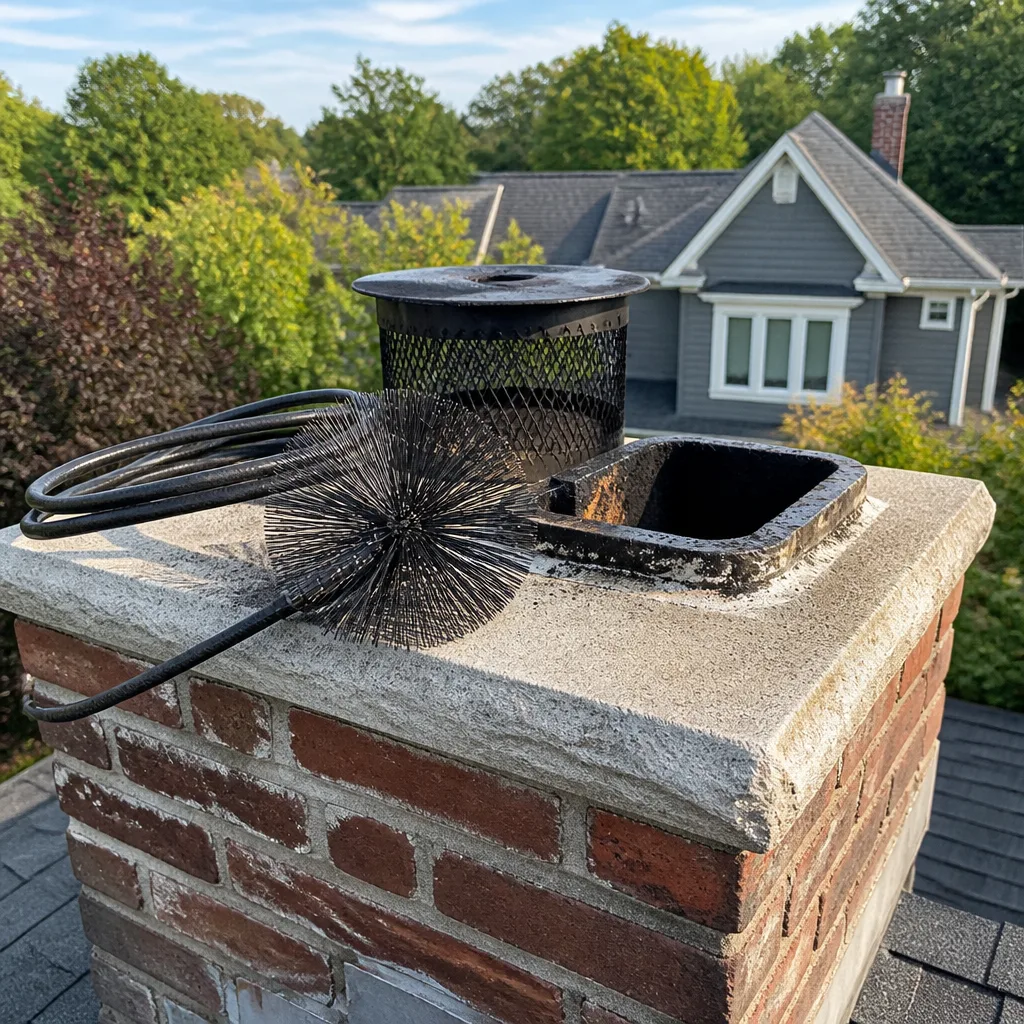 Sweep & inspection
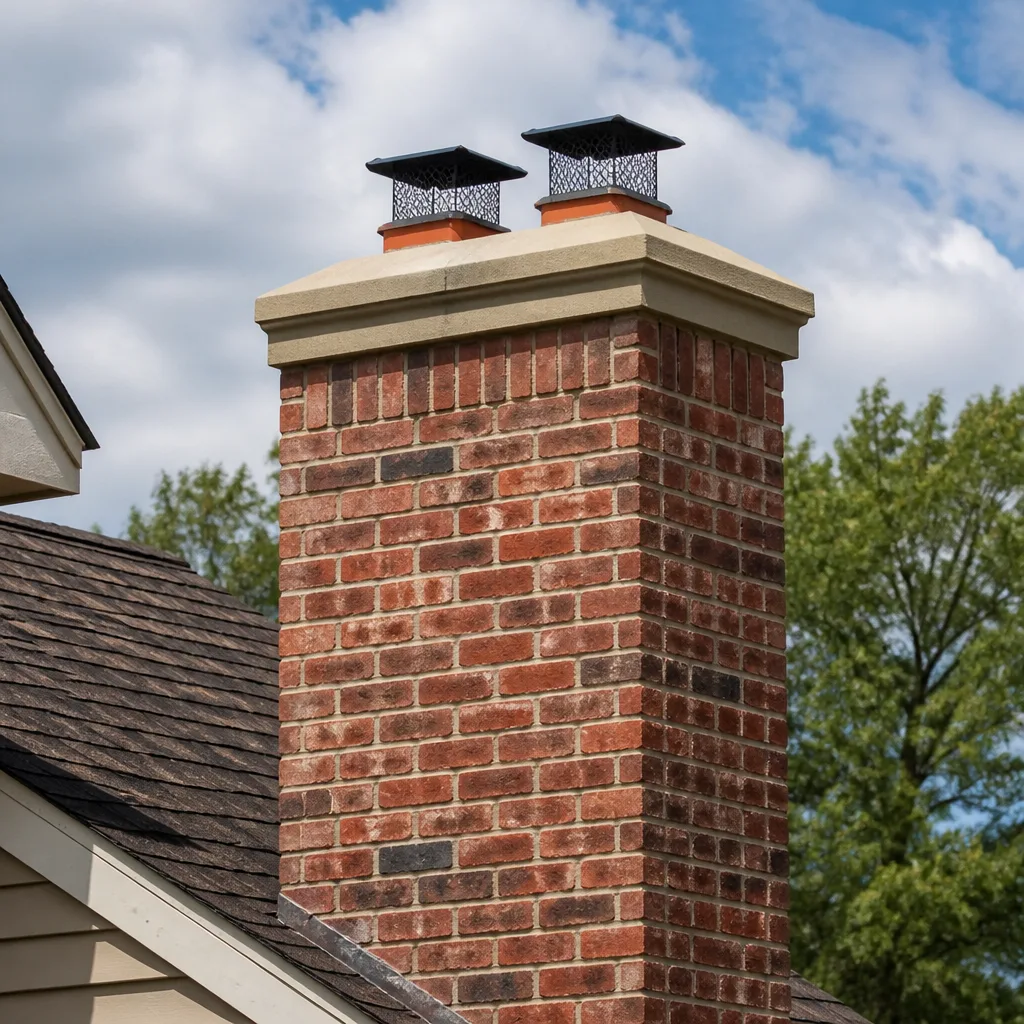 Caps & crowns
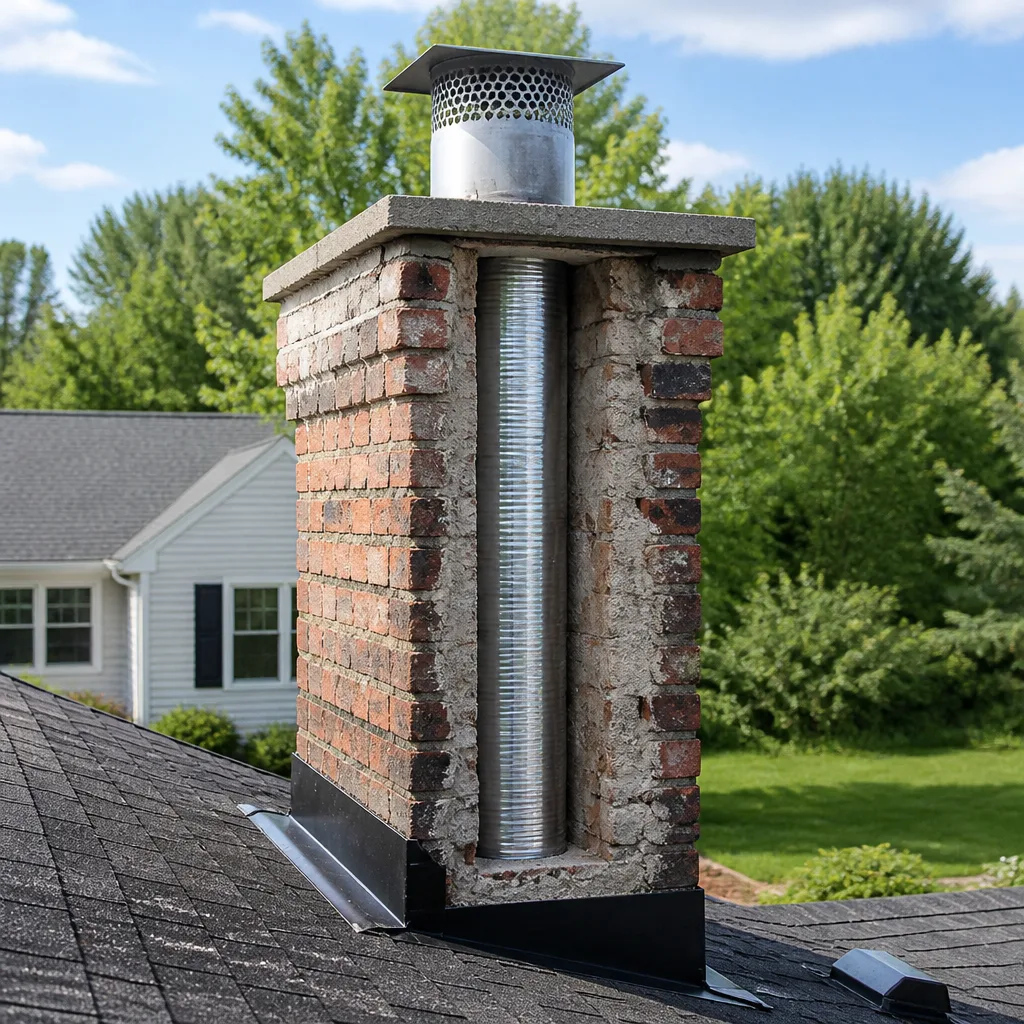 Flue relining
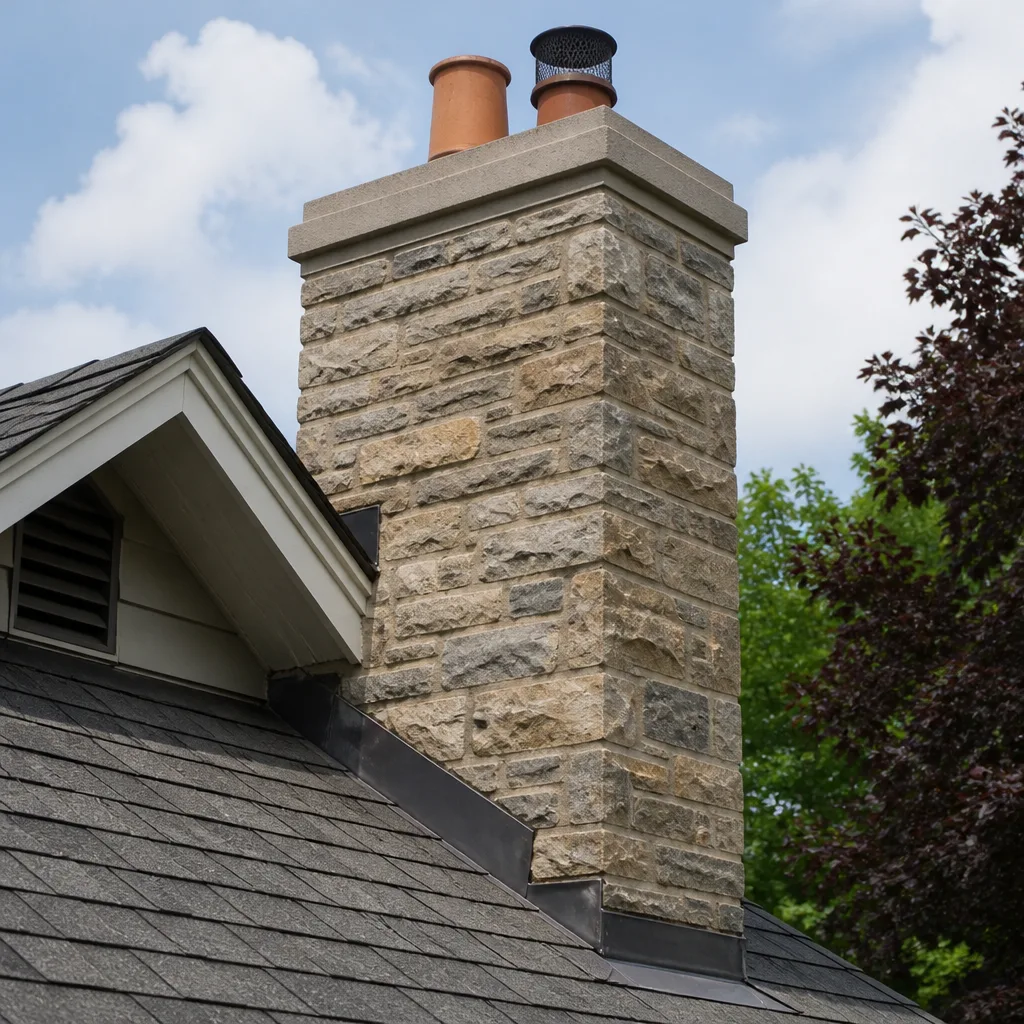 Masonry repair
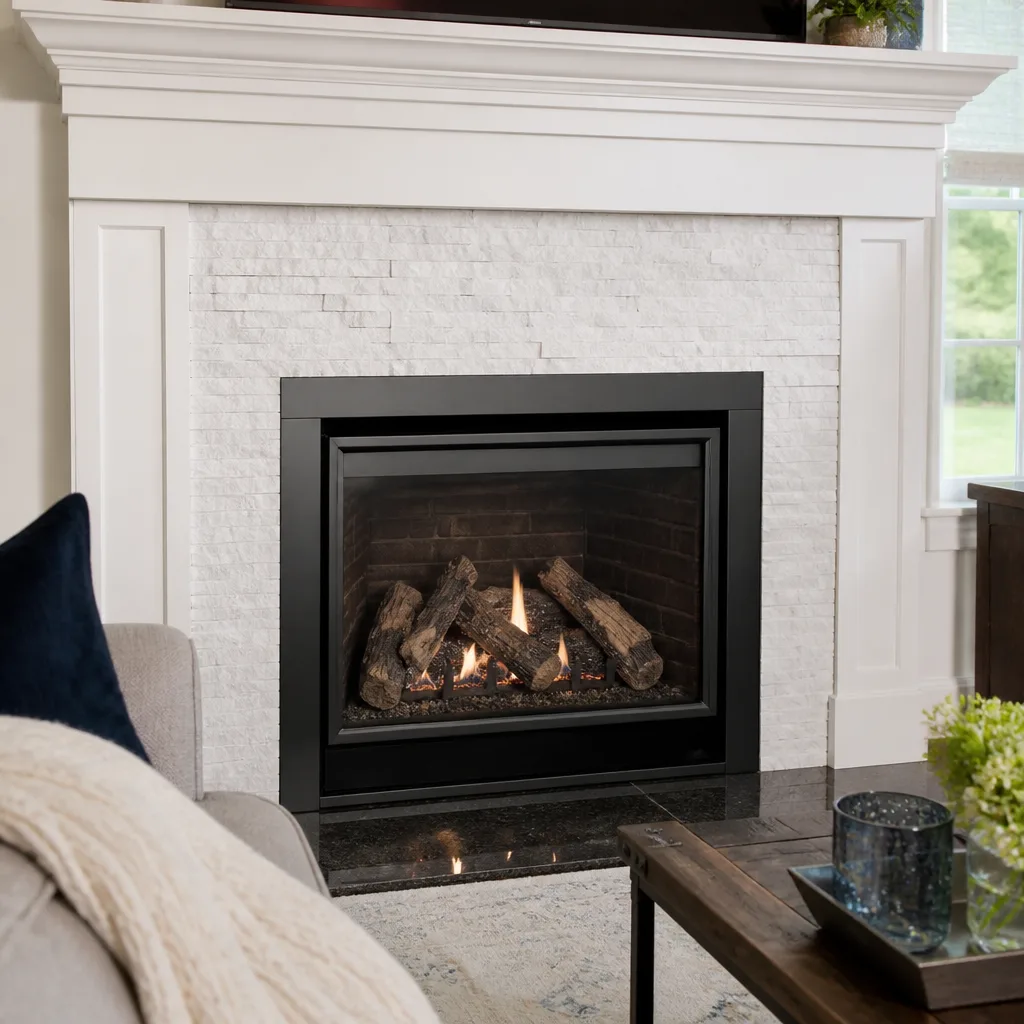 Gas fireplace service
Level 1 sweep and inspection to the NFPA 211 annual standard - flue, crown, cap, and flashing checked and photographed
Chimney sweep logs do not sweep chimneys. They loosen some creosote - which then falls where a brush and vacuum still have to collect it.
Choosing the Right Chimney Cleaning Brand: A Buyer’s Guide for Gresham
Two chimney sweeps can run the same brush down the same flue and leave you with very different results. The difference usually isn’t technique. It’s what went onto the chimney afterward: the sealant at the crown, the material of the liner, the cap screwed to the top. One crew reaches for a product engineered for a wood-burning appliance and rated for the heat it will actually see. Another grabs a tube of general-purpose caulk from a hardware shelf and calls it a day. Both look finished. Only one holds up.
This guide is about that second half of the job. We’ll walk through what “professional-grade” really means in a chimney context, name the product lines that matter and what each one is formulated to do, and give you the exact questions to ask a contractor before they start. You’ll also learn how creosote treatments differ from a mechanical cleaning, and why the answer changes what you should expect. If you live in Gresham and heat with wood, this is the part of chimney maintenance most homeowners never get told.
Quick Answer
The right chimney products are the ones engineered for the heat, fuel type, and venting setup of your specific appliance – not the cheapest item on a shelf. Professional-grade means published temperature ratings, material standards, and application methods a manufacturer stands behind. When you hire a sweep, ask which product lines they use for liners, resurfacing, caps, and sealants, and treat a vague answer as a signal to keep looking.
Styles & brands we work with
- Sweep & inspection
- Caps & crowns
- Flue relining
- Masonry repair
- Gas fireplace service
Table of Contents
- What “Professional-Grade” Actually Means in a Chimney Context
- The Product Lines That Matter and What Each One Does
- Creosote Treatment vs. Mechanical Cleaning: Know the Difference
- Why Professional Caps, Dampers, and Sealants Outlast Retail Versions
- How to Ask a Contractor What Brands They Use
- Why This Matters More in Gresham’s Climate and Housing Stock
- The Full Service Loop: Sweep, Inspect, Repair Under One Roof
What “Professional-Grade” Actually Means in a Chimney Context
Professional-grade is not a marketing word, though plenty of companies use it like one. In chimney work it refers to three concrete things: a published temperature and material rating, a documented application method, and a manufacturer who will stand behind the product when it’s installed to spec. If a sweep can’t tell you any of those for the product they’re using, it isn’t professional-grade. It’s just what they had.
Here’s what to look for:
- Temperature tolerance. A chimney flue handles more heat than almost any other part of the house. Liner systems, sealants, and cap adhesives all carry a maximum continuous temperature rating. A product without one isn’t rated for a flue.
- Material standards. Stainless steel liners, for example, are graded by alloy and thickness. Flexible liner systems from manufacturers like DuraFlex are built to a specification a general handyman won’t be familiar with. Off-brand or improvised alternatives often skip those specs entirely.
- Application standards. Resurfacing systems like HeatShield come with their own application procedure: surface prep, mix, cure. Applied wrong, the product fails no matter how good the material is. The method is half the product.
- Warranty terms. Professional lines typically carry manufacturer warranties that depend on correct installation by a trained applicator. Retail sealants and caps sold to the consumer carry no such coverage for chimney work.
The practical takeaway for a Gresham homeowner: you’re not just buying labor. You’re buying a specific material system installed to a specific method. When the material matters – and on chimney work it always does – the brand on the can is part of the safety calculation.
The Product Lines That Matter and What Each One Does
Chimney work runs on a few well-known professional lines, each built for a specific part of the job. Racing to name every one isn’t the point. Knowing what each does – so you can follow the conversation and spot when a contractor is improvising – is. Here’s what we use at Gresham Chimney Sweep and why.
DuraFlex for liner systems
DuraFlex flexible liner systems are the professional standard for relining a chimney. A flexible liner is what a sweep installs when the original clay tile lining is cracked, deteriorated, or unsuitable for the appliance that’s connected – a wood stove insert, for example, needs a properly sized flue to run safely. Off-brand flexible liner exists, and it’s cheaper. It also typically lacks the alloy specification and manufacturer documentation a proper reline depends on. We install DuraFlex because it’s what professionals specify for the application.
HeatShield for resurfacing
HeatShield is a specialist chimney resurfacing system, and it’s one of the reasons a full-service chimney company can often restore a deteriorating flue without a complete reline. Where the flue is damaged but the structure is sound, HeatShield can be applied to the interior surface. Not every chimney is a candidate – that determination needs a camera inspection first – but when it works, it saves the client the cost of a full liner system. Many sweep-only companies can’t offer it because they don’t carry the product or the certification. That’s a real gap in a quote you should notice.
Gelco, Famco, and Copperfield for caps and ventilation
Repairs should address the whole chimney, not just the flue. That means chimney caps, dampers, and ventilation components. Gelco, Famco, and Copperfield are the lines we source for those pieces. A chimney cap is not a decorative lid. It’s the part that keeps water, animals, and debris out of a flue that costs thousands to reline. A properly fitted, professionally made cap lasts; a stamped retail version often doesn’t. Olympia Chimney products also feature in our work for related venting and connection components.
One call covers sweep, inspection, and repair – so when a problem turns up mid-service, you’re not handed off to a second contractor who uses their own brands, or a general handyman who reaches for whatever’s on the shelf.
Creosote Treatment vs. Mechanical Cleaning: Know the Difference
Creosote is the tarry residue that builds up inside a flue when wood burns incompletely. It’s the main reason chimneys need cleaning, and it’s the fuel in a chimney fire. Many homeowners think a chemical treatment product is a substitute for a sweep. It isn’t. A creosote treatment is a chemical application that changes the consistency of certain creosote deposits so they can be more easily removed by brushing. It doesn’t remove anything by itself. The sweep does that with a brush and rods.
The distinction matters because some products are marketed as if they solve the problem on their own. They don’t. Here’s how a full-service sweep approaches it:
- Inspect before treating. A camera inspection shows the depth and type of creosote – light soot, flaky crust, or glazed tar. Each responds to a different method. Treating without looking is guesswork.
- Mechanically clean. Brushing the flue is the actual removal step. The brush and rods are sized for the flue diameter.
- Apply a treatment where warranted. Certain glazed creosote calls for a chemical treatment first, followed by a second mechanical pass. Products like Rutland and Chimney Rx are formulated for this – each designed to soften or change specific creosote conditions so a follow-up brushing removes more. Applied at the wrong stage or on the wrong type, they do nothing useful.
- Inspect again and document. A camera pass afterward confirms the flue is clear and shows you the result. If the report includes photos, you can see what the sweep sees.
If a contractor wants to apply a creosote product without a camera inspection first, that’s a red flag. If they claim a “chemical cleaning” replaces a mechanical sweep, that’s a bigger one. The right sequence is inspect, clean, treat where appropriate, inspect again.
Why Professional Caps, Dampers, and Sealants Outlast Retail Versions
A chimney cap bought at a hardware store and a chimney cap supplied by a chimney professional are often the same rough shape and the same rough function. What separates them is the spec sheet behind them. Professional lines like Gelco, Famco, and Copperfield are built to performance standards that account for the environment a chimney cap actually lives in: rain, wind, freeze-thaw cycles, and the heat coming up from the flue.
That difference shows up in three places:
- Fasteners and adhesives. A cap held on by retail silicone at the crown may last a few winters. A cap installed with a product rated for the chimney’s exposure will last years longer. The sealant failure is what usually lets water in – not the cap itself.
- Fit and coverage. Professional caps are sized to the specific flue opening and spark-arrestor requirements. A one-size retail lid often leaves gaps. On a wood-burning flue, an ill-fitting cap also affects draft and how well the chimney performs.
- Warranty. A manufacturer warranty on a cap or damper generally assumes correct installation by a professional. Retail versions carry consumer warranties, which typically don’t cover the labor to replace them when they fail.
The same logic applies to dampers and to the crown at the top of the chimney. A crown repair done with a proper masonry product is a different job from a crown patched with whatever’s in the truck. At Gresham Chimney Sweep, that’s why we source from the six professional lines we use, rather than picking up supplies from a general retailer when the crew arrives. If you’re weighing a full chimney repair quote and something in it doesn’t add up, chimney repair takes a closer look at what a proper repair involves.
How to Ask a Contractor What Brands They Use
The single most useful question you can ask a chimney contractor before booking is: “Which brands do you use for liners, resurfacing, caps, and sealants, and why those?” The answer tells you more than any review or advertising claim. It’s a supply-chain question dressed as a brand question, and it exposes the difference between a specialist and someone improvising.
Here’s how to interpret what you hear:
- A specific brand, named without hesitation. Good sign. A specialist who carries professional lines knows the names and can tell you why they chose them for the application.
- “We use whatever’s best for the job.” Vague. It might be true, but it doesn’t tell you anything. Ask which brands that means in practice.
- “We don’t really use brands.” Bad sign. Chimney work runs on specific materials. A crew that can’t name them isn’t sourcing professionally.
- A named brand they can’t explain. Neutral. Naming a product without understanding its application is no better than not naming one. Ask what the product is formulated to do.
- “We can get whatever you want.” Flag. You’re not the expert. You’re paying them because they are. A contractor who wants you to specify the brand has the supply chain backward.
You can also ask for a written quote that lists the specific product lines used for each part of the job. A quote that says “liner replacement” is less useful than one that names the liner system. A quote that says “chimney cap and sealant” is less useful than one that asks which cap line and which rated sealant. A contractor who works with professional brands will happily put them on paper.
Why This Matters More in Gresham’s Climate and Housing Stock
Gresham sits in the Willamette Valley, which means wet winters, humid shoulder seasons, and years of freeze-thaw cycles that work on masonry. Chimneys here take water on three sides: rain driving into the crown, moisture wicking through mortar joints, and condensation inside the flue when a wood stove runs cool. The material choices underneath all three determine whether a repair lasts.
That’s why a Gresham chimney cap needs to be more than a lid. It needs a properly sized base, a rated sealant, and a fit that sheds water away from the crown. It’s why resurfacing systems like HeatShield matter here: a flue that’s taken on moisture over a few wet seasons can often be restored rather than fully relined. And it’s why liner alloy specifications matter – a flexible liner that isn’t rated for the moisture and heat cycle of a Gresham winter is one that may need replacing far sooner than it should.
The housing stock adds a wrinkle. Many homes in Gresham were built and heated before modern appliance venting standards were common. That means a chimney that looks sound from the ground can have a flue that’s undersized for the insert installed later, or a lining that’s cracked in a way only a camera inspection will show. A full-service chimney company works in Gresham often enough to know what to expect from each type of setup. If you’re new to the area and want a broader picture of what local chimney service looks like, Gresham covers the community and the work we do there.
The Full Service Loop: Sweep, Inspect, Repair Under One Roof
The biggest material-quality problem a homeowner faces isn’t choosing a product. It’s the handoff. A sweep-only company cleans the chimney, finds a cracked crown, and hands you off to a general contractor who’s never spec’d a chimney product in their life. Or worse, they patch it with hardware-store materials and hope you don’t notice. Either way, the whole system never gets treated as one system.
We built our work around the opposite: chimney sweep, inspection, and repair handled by the same team, using the same professional product lines. That means:
- The technician who sweeps your flue is the one who knows what product goes on the crown.
- Findings from the inspection are documented with photos you can see before anything is approved.
- Nothing is recommended without camera evidence – so if work can safely wait until next season, we say so.
- Estimates are written per job, with the product lines named, so the final price is what you agreed to.
That’s not a marketing structure. It’s what makes the material choices coherent. A liner, a cap, a crown repair, and a damper all need to work together, and they don’t if four different people sourced them from four different supply chains. If you’re comparing quotes and the materials list is vague on one and specific on another, the specific one is doing the job right. Our technicians have up to 14 years of experience with these systems.
Common Mistakes to Avoid
- Accepting a verbal quote that doesn’t name products. “Liner replacement” and “DuraFlex liner replacement” are not the same quote. Ask for the product lines in writing before you book the job.
- Assuming a chemical treatment replaces a sweep. Creosote treatment softens deposits; it doesn’t remove them. A sweep who offers a “chemical cleaning” with no mechanical pass is skipping the essential step.
- Letting a handyman patch the crown. The chimney crown is masonry at the top of the house, exposed to every freeze-thaw cycle Gresham throws at it. A masonry product rated for that exposure is a different material than general-purpose caulk, and it usually shows within two or three winters.
- Buying a retail chimney cap and having a crew bolt it on. The cap is the easy part. The rated sealant and the correct sizing are what keep water out of the flue. Retail versions often fail on both.
- Skipping the camera inspection to save time on a reline. A reline is only as good as the flue assessment that preceded it. Without a camera pass, nobody – including the installer – knows whether a resurfacing system like HeatShield could have saved the liner cost.
- Choosing on price alone. The lowest quote is often the one using off-brand flexible liner or a general-purpose sealant. When a reline fails early, you pay twice for the same job.
- Not asking what happens when a problem is found. If the crew can’t repair it themselves using professional parts, you’re getting a recommendation, not a solution – and a second contractor with a second supply chain.
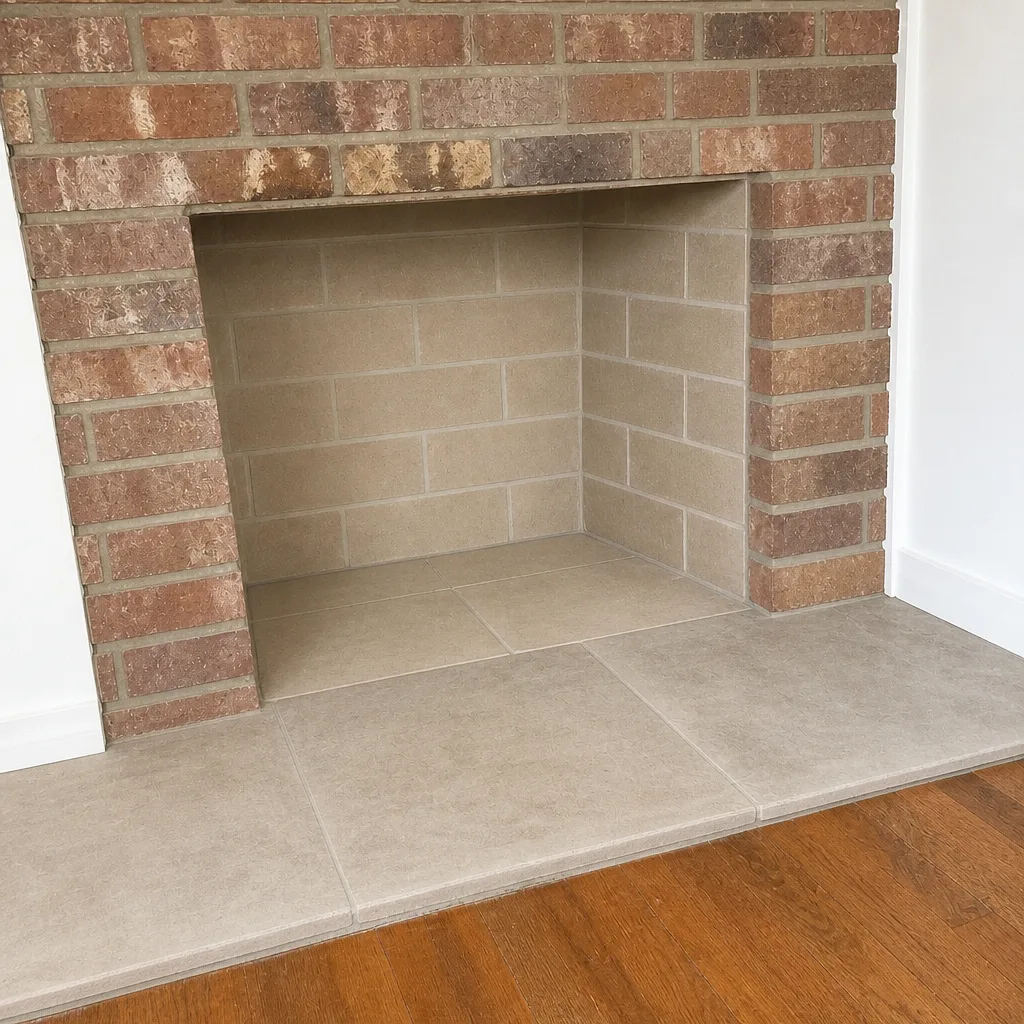
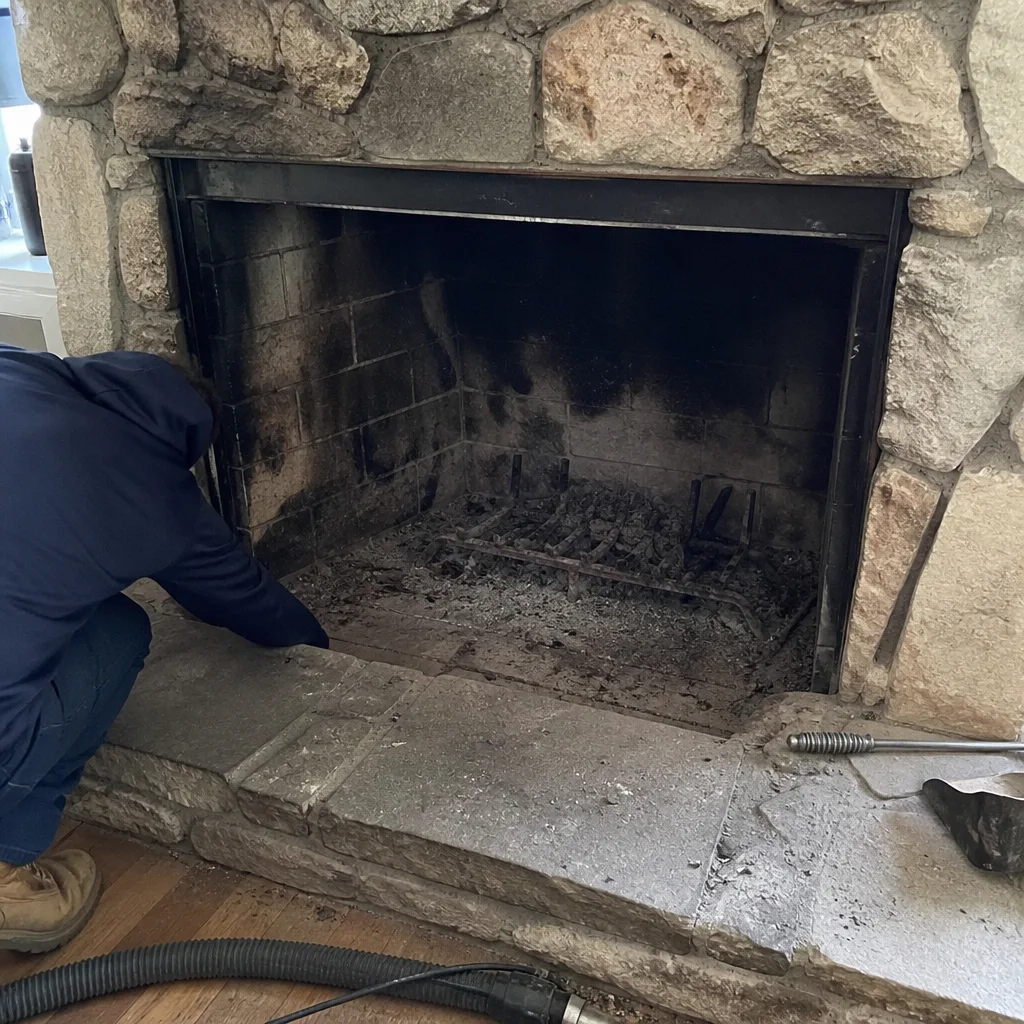
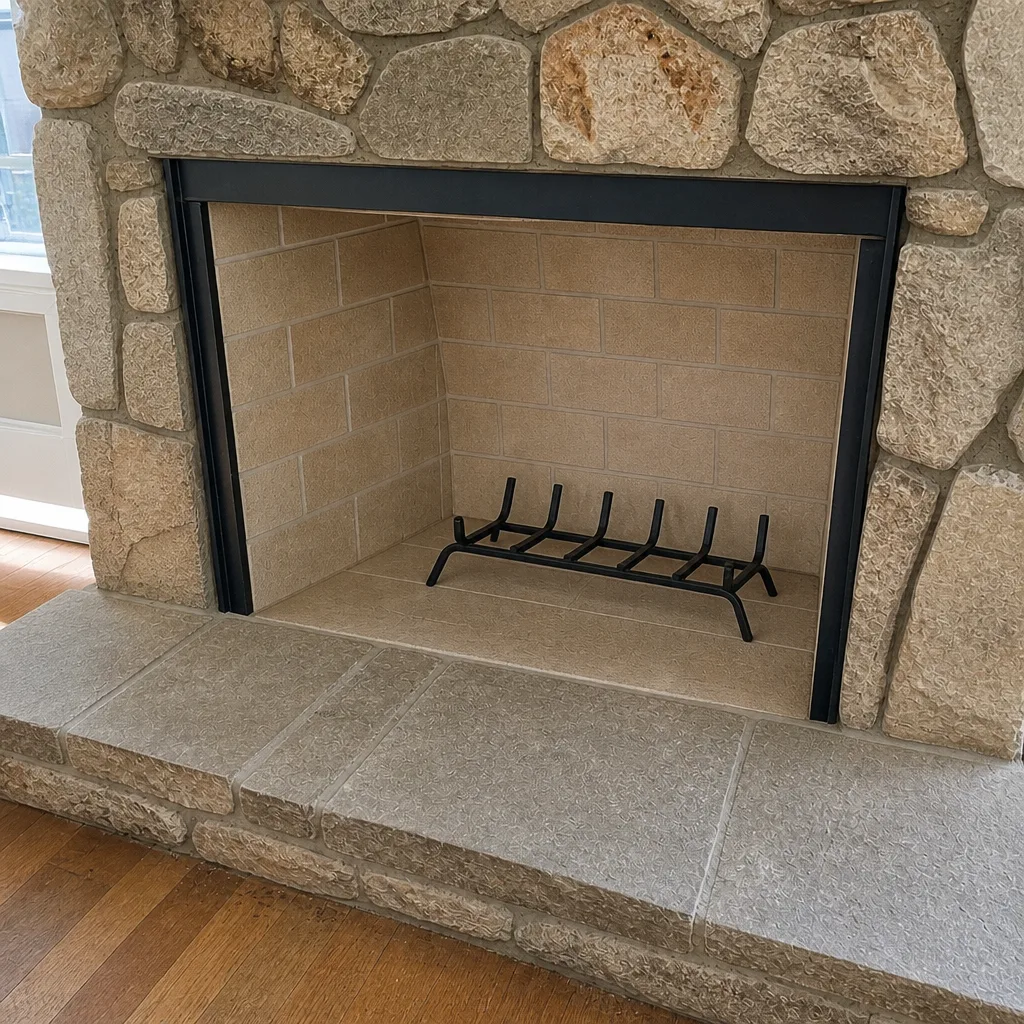
See the difference
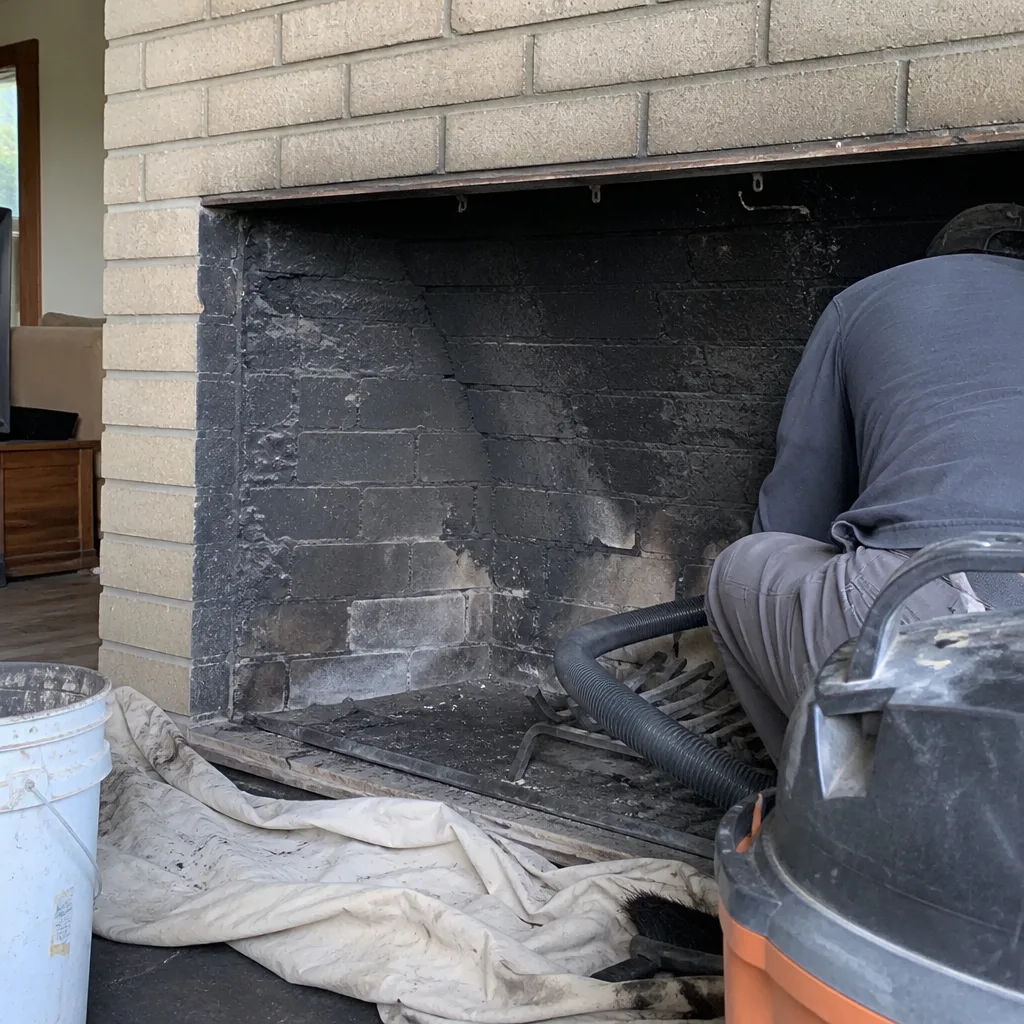 Before
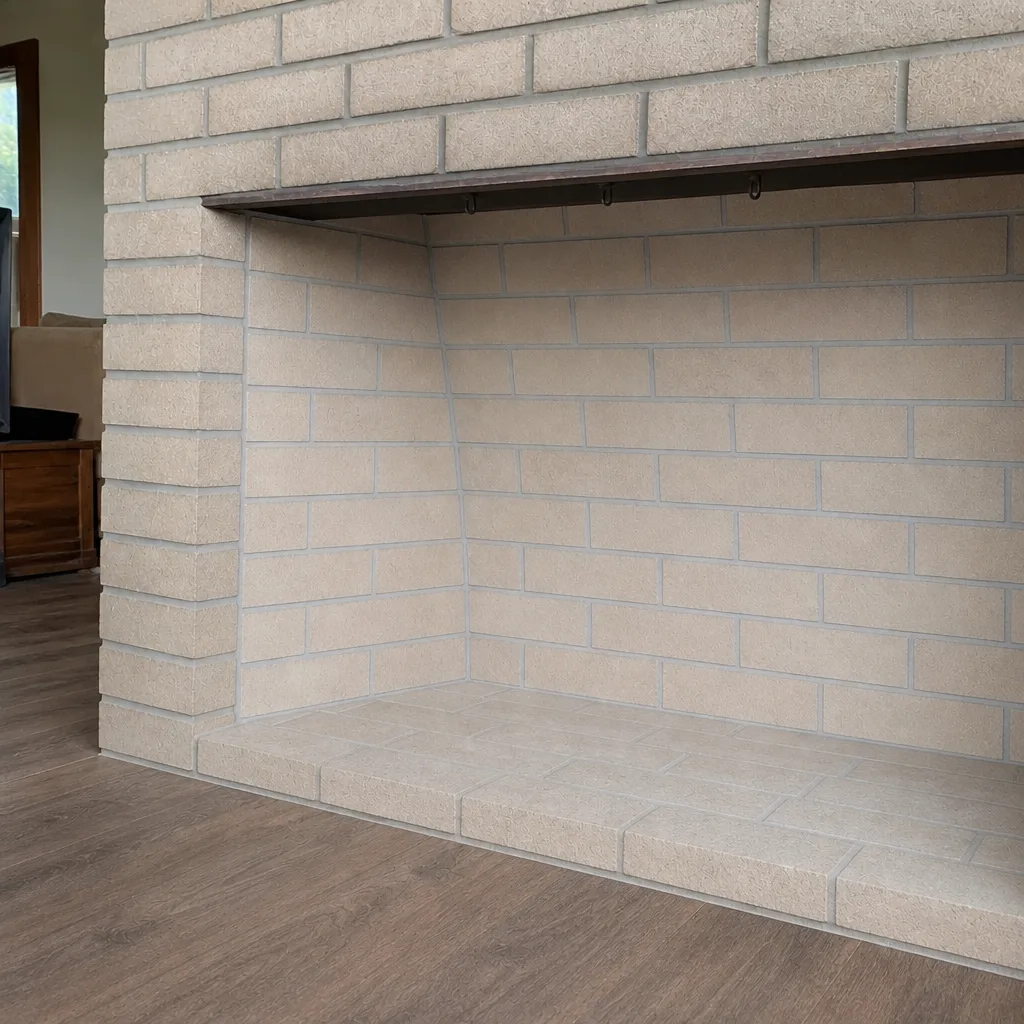 After
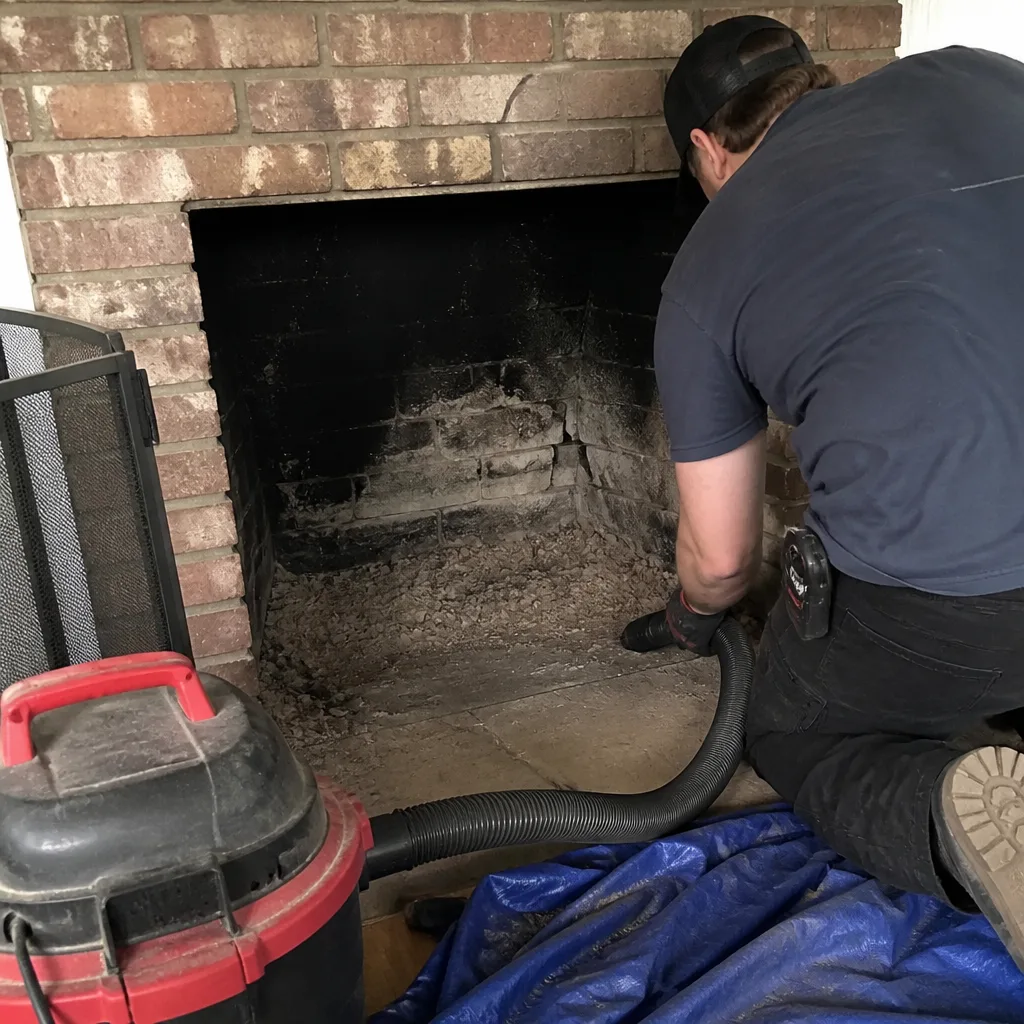 Before
 After
 Before
 After
When to Call a Professional
Some chimney work is genuinely a call-a-professional situation: a liner crack spotted in a camera inspection, a crown failing at the top of the flue, a cap that’s come loose after a wind storm, or the tell-tale signs of a glazed creosote buildup that a sweep says needs a chemical treatment before the next cleaning. Any of those is a materials-and-technique decision, not a patch. The products you choose here determine whether the repair lasts through a Gresham winter or fails halfway through it.
Call us when you’re not sure what you’re looking at. Nothing is recommended without camera evidence you can see, and we’ll tell you plainly when work can safely wait. Gresham Chimney Sweep offers free estimates in Gresham – call (833) 538-5519. We answer 24/7. Fast dispatch from 7am to 7pm, Sunday through Friday. The written estimate sets the final price, and the product lines are named in it.
Frequently Asked Questions
Professional chimney work in Gresham runs on a small set of established product lines. The most common for liners is DuraFlex flexible liner systems, which are the professional standard for relining. HeatShield is the resurfacing system specialists use to restore a damaged liner without full replacement where the flue allows it. For caps, dampers, and ventilation components, the lines are Gelco, Famco, and Copperfield, with Olympia Chimney featuring in related venting work. When you hire a sweep, ask which of these they use and what each does in the application. Call (833) 538-5519 for a free estimate.
No. A creosote treatment changes the consistency of certain deposits so they can be brushed out more easily, but the mechanical cleaning is what actually removes them. Treatments like Rutland and Chimney Rx are formulated for specific creosote conditions and are applied after an inspection – not as a substitute for brushing. If a contractor offers a “chemical cleaning” without a mechanical pass, that’s a signal to keep looking. Ask what the inspection found first. Call (833) 538-5519 for a free estimate.
Look for the manufacturer’s name on the cap and ask which line it came from. A cap supplied through Gelco, Famco, or Copperfield is built to a published specification, and the sealant used to install it is rated for the chimney’s exposure. A retail cap typically carries a consumer warranty and no published rating for the chimney application. The bigger tell is the sealant: hardware-store silicone at the crown often fails within a few winters in Gresham’s freeze-thaw cycle. Call (833) 538-5519 for a free estimate if you’re not sure what’s on your chimney now.
It depends on the condition of the flue, and that’s exactly what a camera inspection is for. HeatShield resurfacing can restore a sound but damaged flue without a full reline in many cases – but not every flue is a candidate. A liner that’s structurally failing, undersized for the appliance, or damaged to the point that resurfacing won’t hold needs a full reline, which is where DuraFlex comes in. We don’t recommend a liner without camera evidence you can see. Call (833) 538-5519 for a free estimate.
Yes, more than most homeowners realize. A chimney that looks fine on the outside can be taking water through a cap that’s slightly undersized or a crown sealed with a product that’s failed. The visible symptom – a stain on the ceiling or a crumbling crown – usually shows up later, when the damage is already done. Rated sealants and correctly sized caps from Gelco, Famco, or Copperfield are the cheap part of the job compared to replacing water-damaged masonry. Call (833) 538-5519 for a free estimate.
Creosote continues to build up, and the deposits get harder to remove. In Gresham’s wet winters, moisture also works on the masonry from the outside, and a chimney that isn’t inspected doesn’t get caught until something fails. The risk is real – creosote is what catches fire in a chimney fire, and a blocked or damaged flue can push carbon monoxide back into the house. Skipping one season doesn’t guarantee a chimney fire, but it does remove the inspection that would have caught a problem. Call (833) 538-5519 for a free estimate.
The Bottom Line
The products a chimney company carries say a lot about how they work. Professional-grade means published temperature ratings, material specs, application methods, and manufacturer warranties – not a word on a van. DuraFlex and HeatShield cover the liner and resurfacing side. Gelco, Famco, and Copperfield cover caps, dampers, and ventilation. Olympia Chimney appears in related venting work. When those specific lines are in the quote, in writing, and the same team handles sweep, inspection, and repair, the job is being treated as a system rather than a patch. If you heat with wood in Gresham and want the right materials for a lasting repair, that’s the standard to hold any contractor to. If you’d like to see how the standard applies to your chimney, start with a Gresham Chimney Sweep.
Call (833) 538-5519 for a free estimate. We answer 24/7. Fast dispatch from 7am to 7pm, Sunday through Friday. Closed Saturday; a call outside those hours is booked into the next opening. Free estimates, and a written estimate that names the product lines sets the final price.
Written by the team at Gresham Chimney Sweep.