
Last updated November 16, 2026
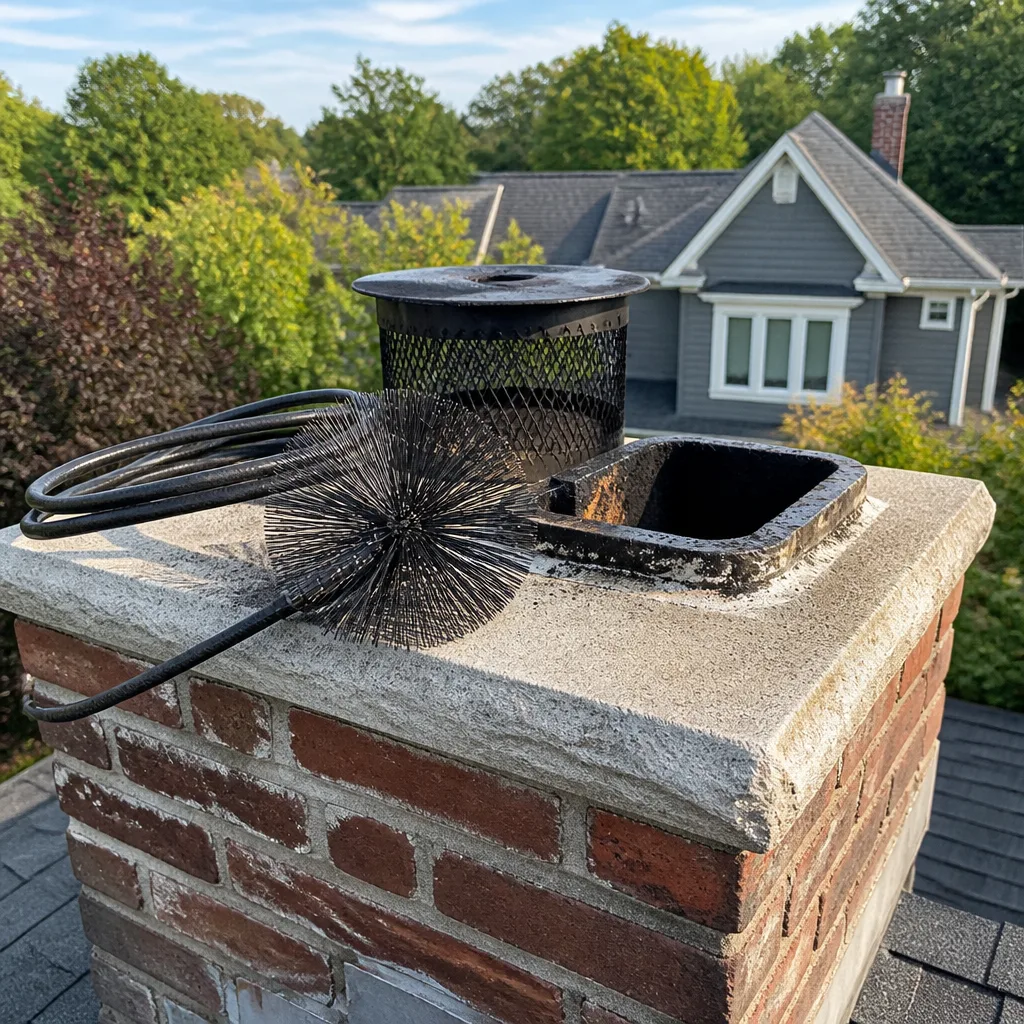 Sweep & inspection
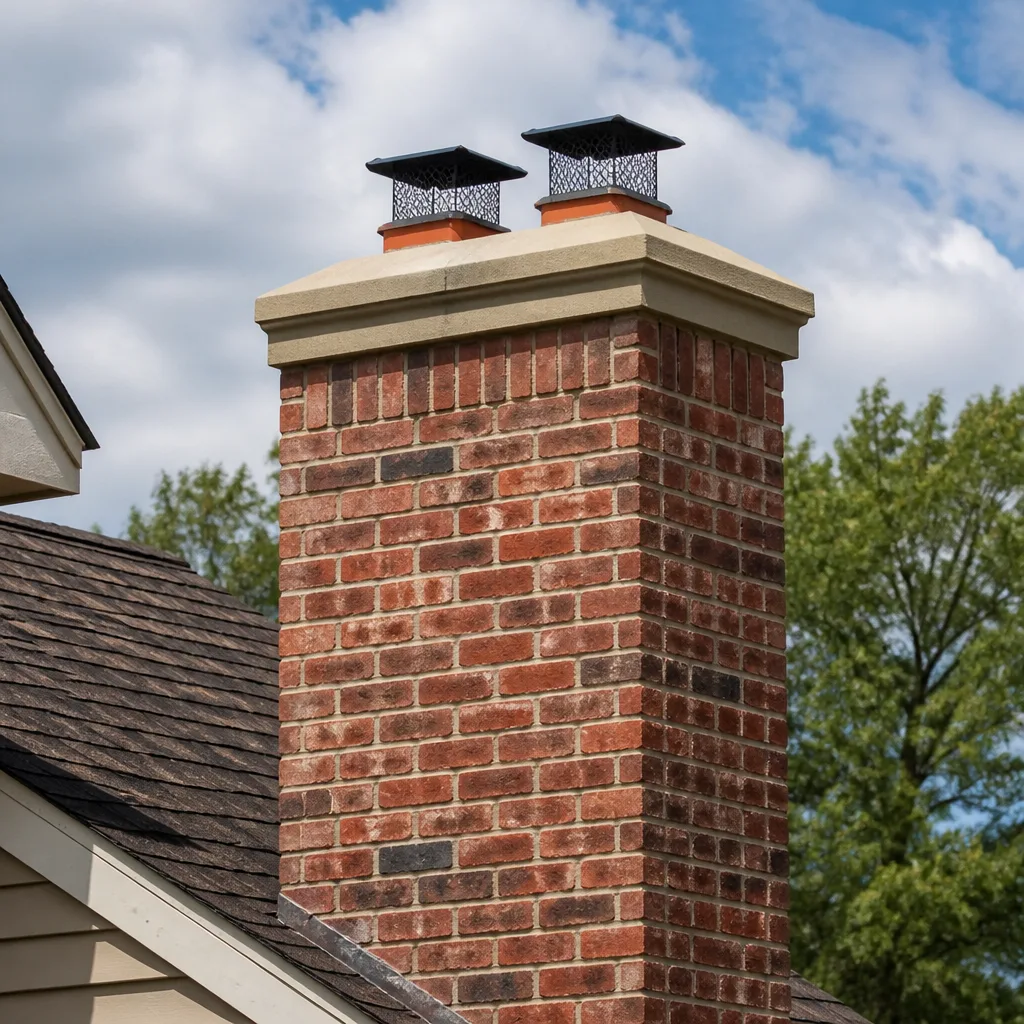 Caps & crowns
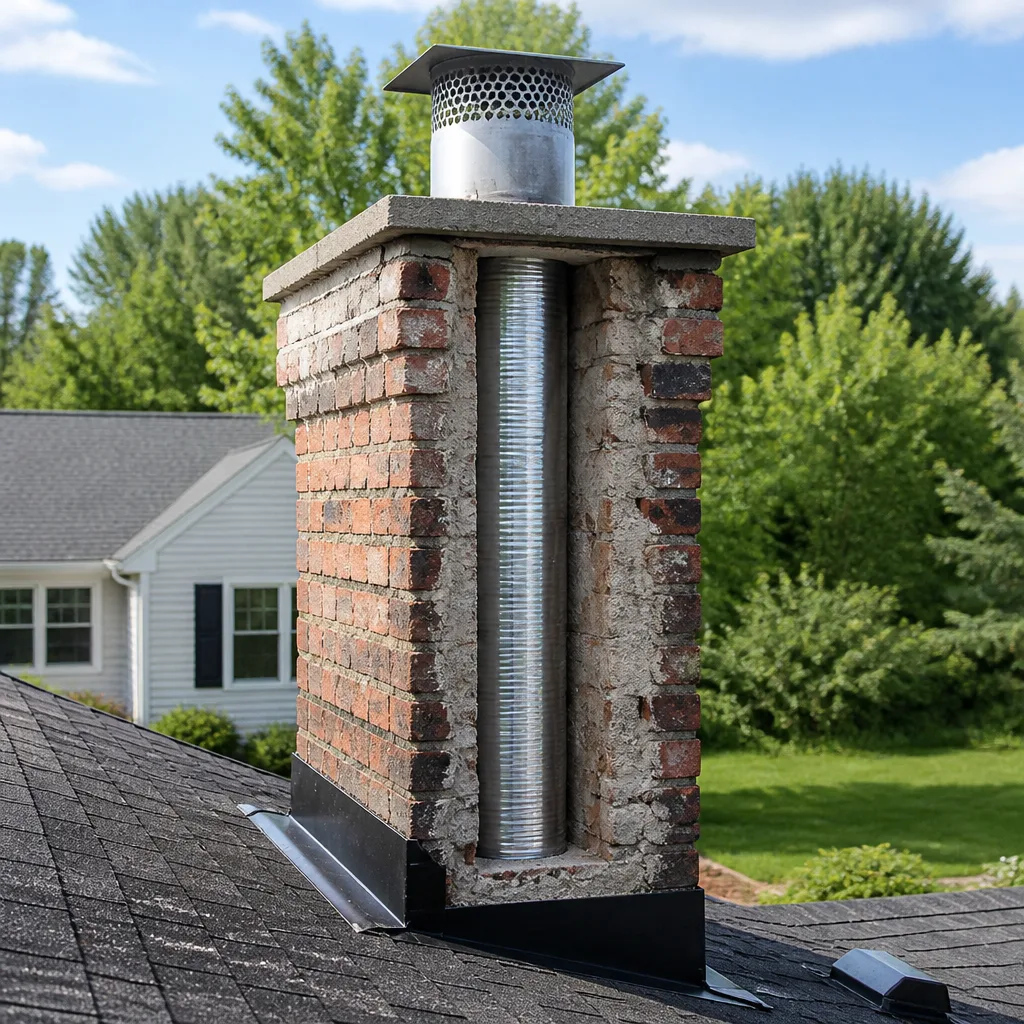 Flue relining
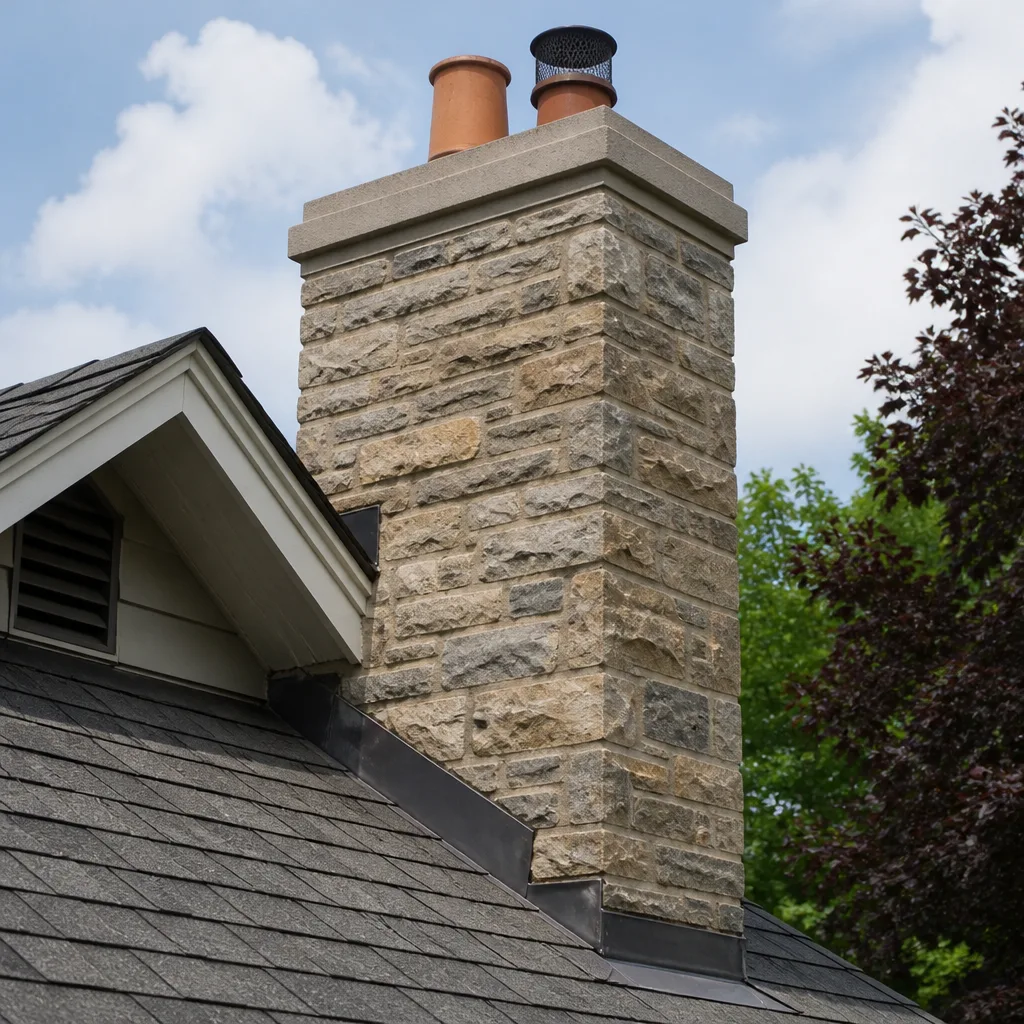 Masonry repair
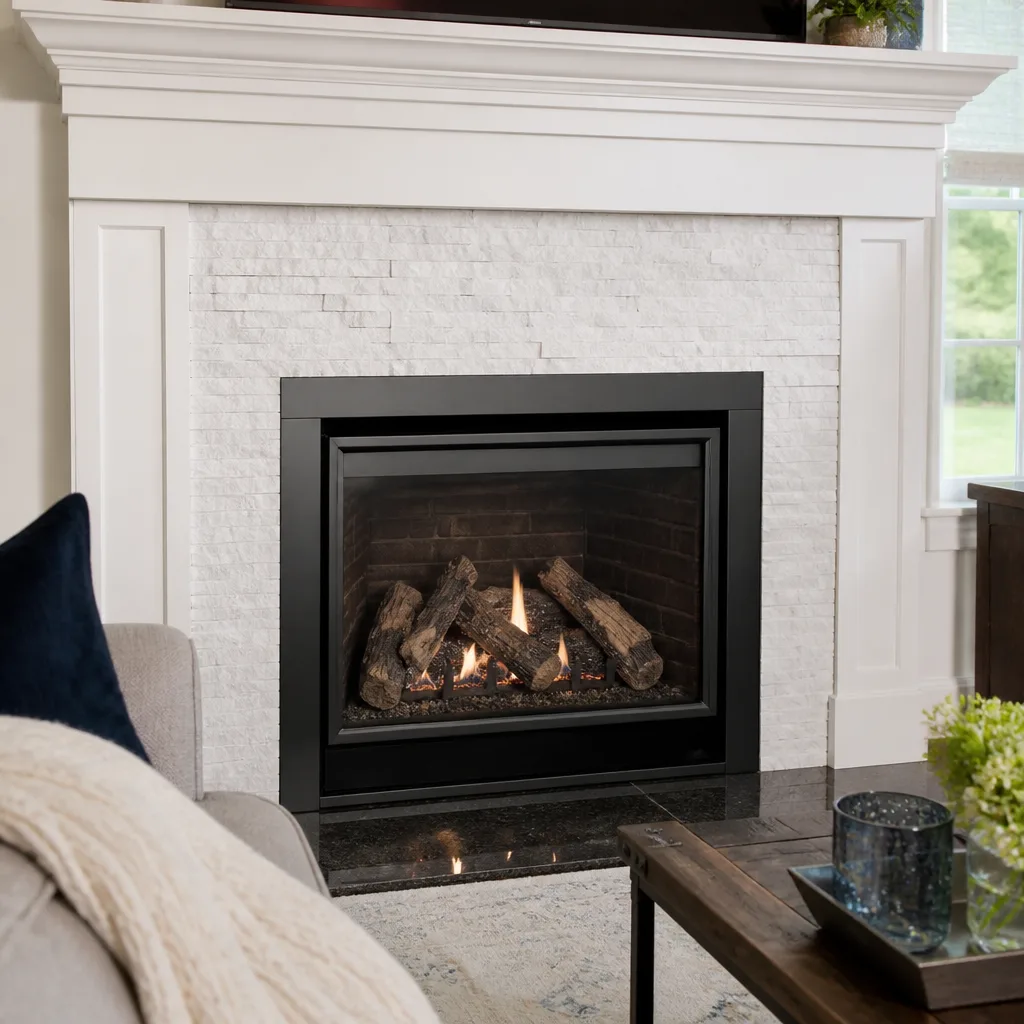 Gas fireplace service
Level 1 sweep and inspection to the NFPA 211 annual standard - flue, crown, cap, and flashing checked and photographed
Chimney sweep logs do not sweep chimneys. They loosen some creosote - which then falls where a brush and vacuum still have to collect it.
The Complete Guide to Chimney Cleaning in Gresham
Most chimney fires in Oregon aren’t caused by years of neglect. They’re caused by one cold, wet burning season where a homeowner burned unseasoned wood just once too often. That’s the counterintuitive part: the fire doesn’t come from a chimney nobody touched for a decade. It comes from a chimney that got swept last spring, then fed damp Douglas fir all winter because it was the wood available. Soot looks the same either way. What builds up inside does not.
This guide explains what chimney cleaning in Gresham actually involves, why our wet winters change the creosote picture, how a real sweep differs from a visual once-over, and how to read the report you get afterward so you know exactly what was found and what was done.
Quick Answer
Chimney cleaning in Gresham means removing soot, creosote, and blockages from the flue, firebox, and smoke chamber, then inspecting the whole system for damage. Because our wet winters and heavy fir burning accelerate creosote formation, most homes here benefit from a sweep once a year, booked before the heating season rather than after. A proper cleaning includes a Level II inspection so you get camera evidence of what’s inside, not just a verbal all-clear.
Styles & brands we work with
- Sweep & inspection
- Caps & crowns
- Flue relining
- Masonry repair
- Gas fireplace service
Table of Contents
- Why Gresham’s Wet Climate Changes What Builds Up Inside Your Chimney
- Douglas Fir and Alder: What Local Firewood Leaves Behind
- A Visual Sweep vs. a Level II Inspection: Which Do You Actually Need?
- What Rotary Cleaning Systems Do That Standard Brushes Cannot
- How Often Should You Clean a Chimney in Gresham?
- What Does Chimney Cleaning Cost in Gresham?
- How to Read Your Sweep Report
- When Cleaning Turns Into Repair: Liners, Caps, and the Right Materials
Why Gresham’s Wet Climate Changes What Builds Up Inside Your Chimney
Creosote forms in stages, and moisture is the accelerator. Stage 1 is light soot and flaky deposits you can brush away. Stage 2 is a crunchy, crusty glaze that clings to the flue walls. Stage 3 is a hard, tar-like coating that’s dense, sticky, and genuinely difficult to remove. The jump from stage 1 to stage 2 doesn’t take a decade of neglect. It takes one winter of burning wet wood in a cool flue.
Gresham sits in a climate that makes all of this worse than a homeowner in Bend or Klamath Falls would experience. Our rainy season runs long, and firewood that’s been sitting outside in a damp stack absorbs moisture faster than it dries. When you burn that wood, more of its energy goes into evaporating water instead of producing clean heat. The smoke is cooler, the flue stays cooler, and cooler smoke deposits creosote faster.
What we look for in Gresham homes specifically:
- Damp wood from uncovered stacks. If the pile hasn’t been covered through the wet months, the wood at the bottom is often too wet to burn cleanly, no matter how it feels on the outside.
- Cool flues from short, smoldering fires. A fire that’s choked down to save wood burns inefficiently and deposits more than a hot, well-aerated fire does.
- Glazed deposits after a single season. In drier regions, stage 2 creosote might take two or three seasons to form. Here, we find it after one, especially in homes burning fir that was cut in spring and burned that same fall.
The practical takeaway: an annual cleaning isn’t overkill in Gresham. It’s the interval the local climate actually calls for. If you’re burning regularly, you’re not cleaning a chimney that could have waited a year. You’re cleaning one that’s already building glaze.
Douglas Fir and Alder: What Local Firewood Leaves Behind
Douglas fir is the firewood most Gresham homeowners reach for, and for good reason. It’s abundant, it splits cleanly, and it throws good heat once it’s dry. Alder is the other local staple, popular for its cleaner burn and steady coals. Both leave a distinct residue profile that a sweep needs to recognize and handle correctly.
Douglas fir is a softwood, and it’s resinous. It burns hot and fast, but it also produces more spark and more fine soot than a hardwood like oak. That soot is light, which sounds like good news – and it is, as long as it’s removed before it binds with moisture. When fir soot mixes with condensation from a cool flue, it turns into the crusty stage 2 glaze that plain brushing struggles to remove.
Alder behaves differently. It’s a hardwood with a denser structure and a more even burn. It tends to leave a finer, harder deposit rather than the fluffy soot fir produces. That deposit can look thin and harmless, but it’s slick and it clings. A brush can skate right over it.
What this means in practice:
- Fir-heavy burning tends to produce volume of light soot and spark residue that needs thorough brushing and a check of the cap and spark screen.
- Alder-heavy burning tends to produce hard, thin glaze that can fool a homeowner into thinking the flue is clean when it isn’t.
- Mixing the two, which is common here, creates a layered deposit that needs both mechanical brushing and, where the glaze has set, a rotary cleaning pass.
This is the part a generic national checklist misses. The residue from local firewood isn’t the same as the residue from the hardwood blends sold back east. A sweep who works in Gresham year after year learns to read fir and alder deposits on sight.
A Visual Sweep vs. a Level II Inspection: Which Do You Actually Need?
These are two different things, and conflating them is the most common source of confusion we run into. A visual sweep – sometimes called a Level I inspection – covers what’s reachable and visible: the firebox, the damper, the smoke chamber as far as the eye can see, and the flue from the top and bottom. It’s appropriate for routine maintenance on a chimney with no known problems.
A Level II inspection goes further. It uses a camera to look at the entire flue interior, including the parts a visual check can’t reach, and it assesses the liner, joints, and connections. It’s the right call whenever something has changed.
When a Gresham homeowner needs a Level II inspection
- Before the first burn in a new home. You don’t know what the previous owner did or didn’t do. Camera inspection is how you find out.
- After a chimney fire, even a small one. A fire you didn’t notice can crack a liner or warp a joint. Camera evidence tells you whether it did.
- After any change to the system. A new appliance, a new liner, a converted gas insert, or a stove swap all warrant a Level II.
- When you’ve had a long gap in burning. If the chimney sat unused through multiple wet seasons, water intrusion and animal nesting are real possibilities.
- When you’re buying or selling a home. A camera report is the kind of documentation that answers questions before they become objections.
Here’s the honest part: a Level II camera inspection isn’t something to upsell on every visit. If you burn regularly, get swept annually, and have no symptoms, a visual sweep is often enough. But if there’s ever a reason to look closer, the camera is how you avoid guessing. In our experience, the homeowners who appreciate this most are the ones who’ve been told before that they need liner work with no evidence to back it up. A photo report settles that.
What Rotary Cleaning Systems Do That Standard Brushes Cannot
A standard chimney brush is a good tool for light soot and stage 1 deposits. It is not a good tool for stage 2 glaze. When a brush hits hard, glazed creosote, it tends to skate across the surface rather than cut into it. The flue looks brushed afterward, but the glaze is still there, and glaze is fuel.
Rotary cleaning systems – sometimes called powered rotary or whip systems – use a spinning head that contacts the flue wall with controlled force. Instead of pushing a brush up and down, the head rotates and grinds the deposit off. On heavy glaze, the difference isn’t incremental. It’s the difference between removing the problem and moving it around.
When rotary cleaning matters most:
- Stage 2 and stage 3 deposits. If the creosote has glazed or turned tar-like, rotary is the appropriate method.
- Offset or angled flues. A straight brush can miss the inner curve of an offset. A rotary head follows the contour better.
- Rough or damaged liner surfaces. Pitted clay tile or a cracked liner gives creosote something to grip. Rotary cleaning gets into those irregularities.
- After a chimney fire. Fire can fuse deposits into a hard shell. Rotary is how that shell comes off.
Rotary systems require a trained hand. Used carelessly, they can abrade a liner that didn’t need abrading. That’s why we match the method to the deposit, and why we don’t rotary-clean a chimney that only needed a standard sweep. The goal is a clean flue, not a scuffed one.
How Often Should You Clean a Chimney in Gresham?
For most Gresham homes burning regularly through the heating season, a chimney cleaning once a year is the right interval. That’s the baseline we recommend for a few reasons specific to this area. Our wet winters mean a longer, more moisture-heavy burning season. Local firewood, especially fir, produces deposits that build faster than hardwood-only burning. And the annual sweep is also your annual chance to catch small problems before they become liner work.
The variables that shift the interval:
- Burn frequency. A fireplace used a few times a month is a different animal from a wood stove that’s the primary heat source from October through April.
- Wood quality. Seasoned, covered, dry wood burns cleaner. Wet or green wood accelerates everything.
- Appliance type. A modern EPA-rated wood stove burns efficiently and can produce less creosote per cord, but it still needs inspection. A gas insert needs less frequent cleaning but still needs the venting checked.
- What the flue looks like. If a check reveals stage 2 glaze forming, the interval shortens. If the flue is clean at the annual sweep, the interval holds.
One thing we tell every homeowner: book the sweep before the season starts, not after. The urgency here is seasonal. If you wait until the first cold snap to call, you’re competing with everyone else who did the same thing. Getting the chimney cleaned in late summer or early fall means you start burning with a known-clean flue and a fresh report.
If you’re not sure where you stand, a chimney sweep with a camera inspection will tell you. You don’t need to guess at the interval. You need to look.
What Does Chimney Cleaning Cost in Gresham?
Chimney cleaning in the Gresham area typically falls in a range depending on the appliance, the deposit level, and whether a camera inspection is included. A straightforward sweep is usually less than a sweep plus a full Level II inspection, and heavy glaze that needs rotary cleaning adds time and cost. We price per job by written estimate, and the estimate sets the final price.
Typical estimated ranges for the Gresham market:
| Service | Typical Estimated Range |
|---|---|
| Standard chimney sweep (fireplace or stove) | $150 – $300 |
| Sweep plus Level II camera inspection | $250 – $450 |
| Rotary cleaning for heavy stage 2 or stage 3 creosote | $350 – $700+ |
| Chimney cap supply and install | $150 – $400 |
| Chimney reline with a flexible liner system | $2,500 – $6,500+ |
| HeatShield resurfacing (where appropriate) | Priced per job by estimate |
Treat those numbers as typical estimates for planning, not as a quote. The final price comes from the written estimate after we’ve seen the chimney. A clean flue with light soot is a different job from a flue that needs rotary work and a cap.
The question homeowners actually worry about is the big one: “Do I really need a new liner?” That deserves a straight answer. Nothing is recommended without camera evidence you can see for yourself, and we’ll tell you plainly when work can safely wait. A liner that’s sound doesn’t need replacing just because a sweep is on site. A liner that’s cracked, misaligned, or failing at the joints does, and the camera shows you why.
How to Read Your Sweep Report
A sweep report is the record of what was found and what was done. It should be specific enough that you can tell the difference between a routine cleaning and a problem that needs attention. If the report you get is vague, ask for more detail. A report that says “chimney cleaned” tells you nothing about the condition of the flue.
What a complete report covers
- Appliance and fuel type – fireplace, wood stove, or gas insert, and what you burn.
- Deposit type and stage – stage 1 soot, stage 2 glaze, or stage 3 tar, and roughly how much was found. This is where the fir-and-alder conversation shows up.
- Method used – standard brush, rotary, or both, and why.
- Inspection level – whether a camera was used and what it showed.
- Findings – cracks, joint separation, damaged crown, missing or failed cap, water staining, animal nesting, or blockages.
- Recommendations – what needs attention now, what can wait, and what to watch.
- Photos – the camera images that back up the findings. These are the part you keep.
Reading a report well is mostly about separating “now” from “later.” A cracked crown that’s letting water in is a now item. A slightly worn damper gasket on a gas insert is a later item. When we hand you a report, we want you to be able to make that distinction yourself, without calling us back to ask what it all means.
When Cleaning Turns Into Repair: Liners, Caps, and the Right Materials
Sometimes a sweep is just a sweep. Sometimes the camera finds something that needs fixing, and the question becomes who fixes it and with what. That’s the whole reason we handle sweep, inspection, and repair under one roof. You don’t get handed off to a second contractor when a problem turns up, and the person fixing it is the person who found it.
The materials matter more than most homeowners realize. A repair that uses whatever’s on a hardware store shelf may not hold up to a Pacific Northwest winter, and a liner installed with improvised parts is a problem waiting for the next inspection. We work with an established roster of professional products because that’s what the trade specifies for these jobs.
- DuraFlex flexible liner systems for relining. This is the professional standard for a reason: the liner has to handle heat, condensation, and the specific chemistry of wood smoke, and off-brand alternatives often don’t.
- HeatShield resurfacing for damaged liners where a full reline isn’t necessary. It’s a specialist repair method that restores the liner surface rather than replacing the whole system – a middle option that many sweep-only companies can’t offer.
- Gelco, Famco, and Copperfield components for caps and ventilation. A cap that fits properly and vents correctly is part of the system, not an accessory. Addressing it means the repair covers the whole chimney, not just the flue.
We also handle broader chimney repair needs – crowns, flashing, masonry, and firebox work – because a chimney is a system, and a clean flue behind a failing crown is still a wet chimney.
A note on the safety side
A few parts of this work are genuinely dangerous and belong with a trained professional. Anything involving the interior of the flue at height, the crown, or a liner replacement means working on a roof and inside a confined space, and a failed liner is a carbon monoxide pathway. We don’t hand out step-by-step instructions for relining or crown work, and we’d rather you didn’t take them from anyone who does. The right move is a camera inspection and a professional assessment.
Common Mistakes to Avoid
- Burning wood that isn’t seasoned. The single biggest driver of fast creosote buildup in Gresham is wet wood. If you can’t tell whether a split is dry, the flue will tell you next spring. Buy seasoned wood, cover the stack, and give it time.
- Skipping the annual sweep because “it wasn’t that dirty last year.” Gresham’s wet winters mean deposits build faster than the last inspection might suggest. A flue that looked light in a dry year can be glazed after a wet one.
- Assuming a visual glance is an inspection. Looking up the flue from the firebox with a flashlight tells you almost nothing. The problems that matter – liner cracks, joint separation, glaze on the upper walls – live where you can’t see them.
- Burning paper, cardboard, or treated wood to “clean the flue.” None of it cleans anything. Treated lumber and cardboard leave deposits and can damage the liner. A hot fire doesn’t remove glaze; it adds to it.
- Letting a sweep-only company tell you the liner is shot without showing you. Ask for the camera images. Any recommendation should come with evidence you can see and keep.
- Ignoring the cap. A missing or damaged cap lets rain, squirrels, and birds into the flue. In this climate, water intrusion is a real cause of liner damage, and a proper cap is one of the cheapest repairs in the trade.
- Waiting until the first cold week to book. The chimney won’t care that you called late. The schedule will. Book before the burning season starts, not after it’s already underway.
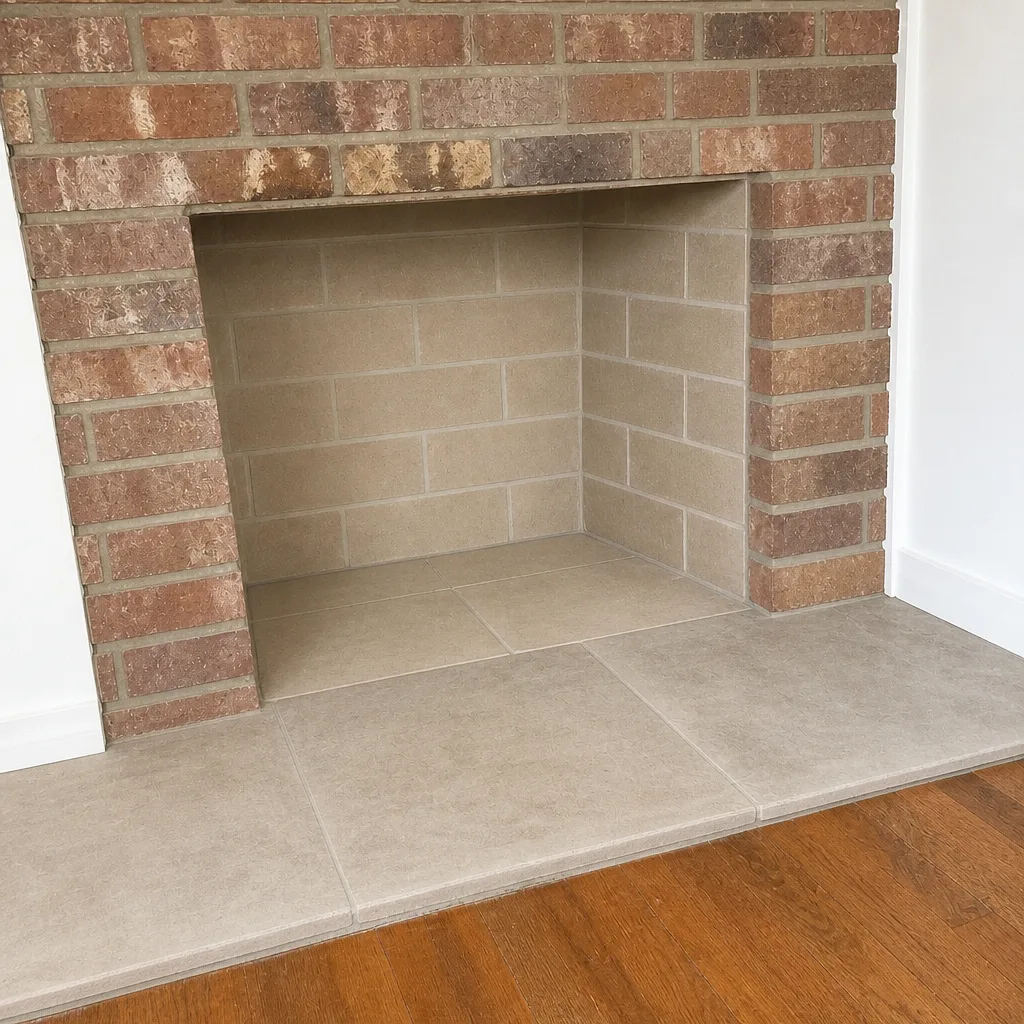
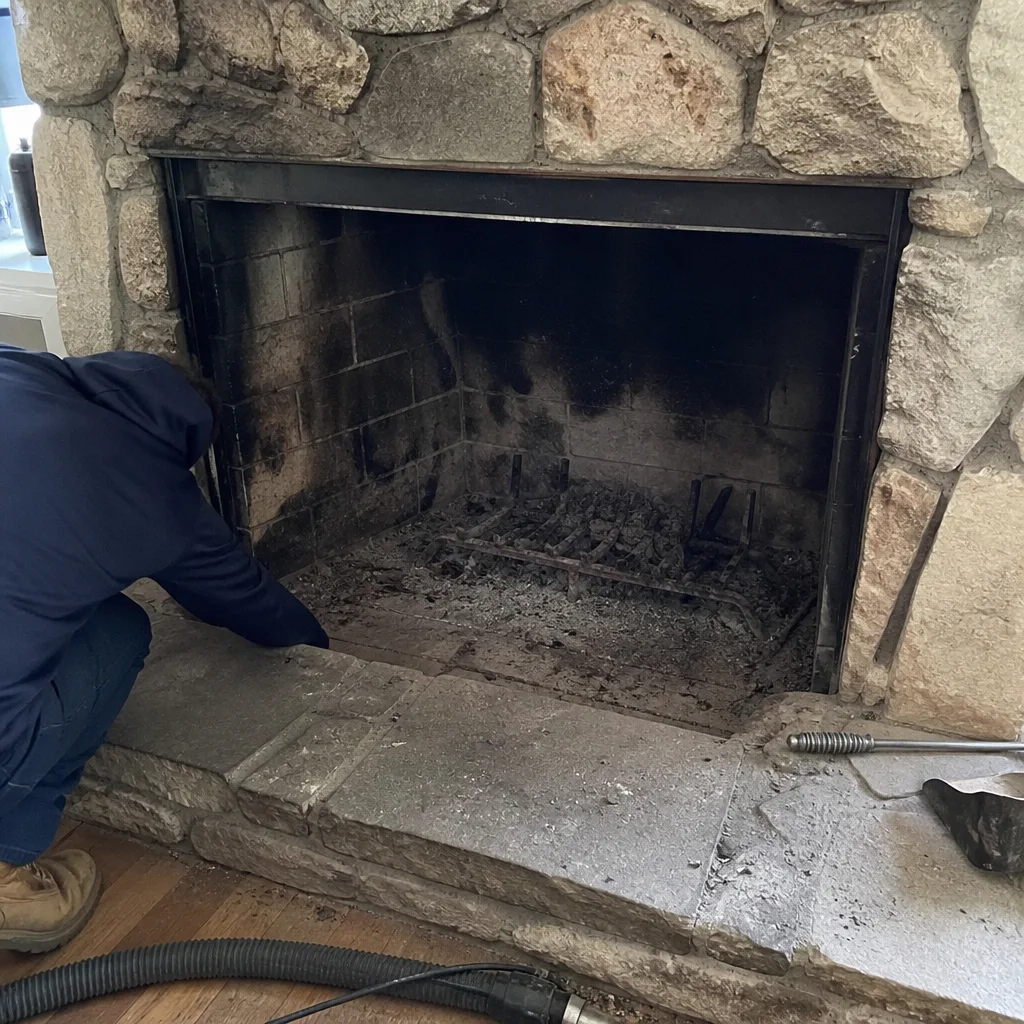
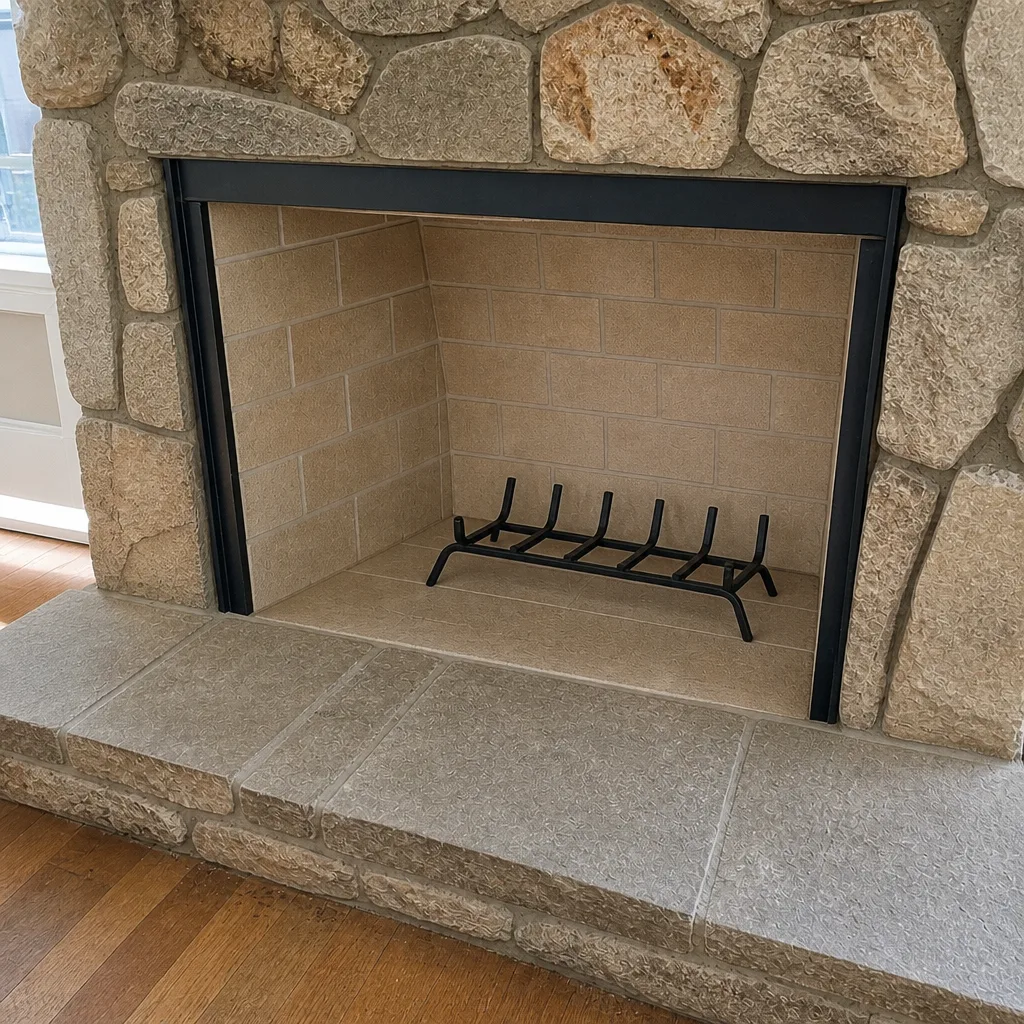
See the difference
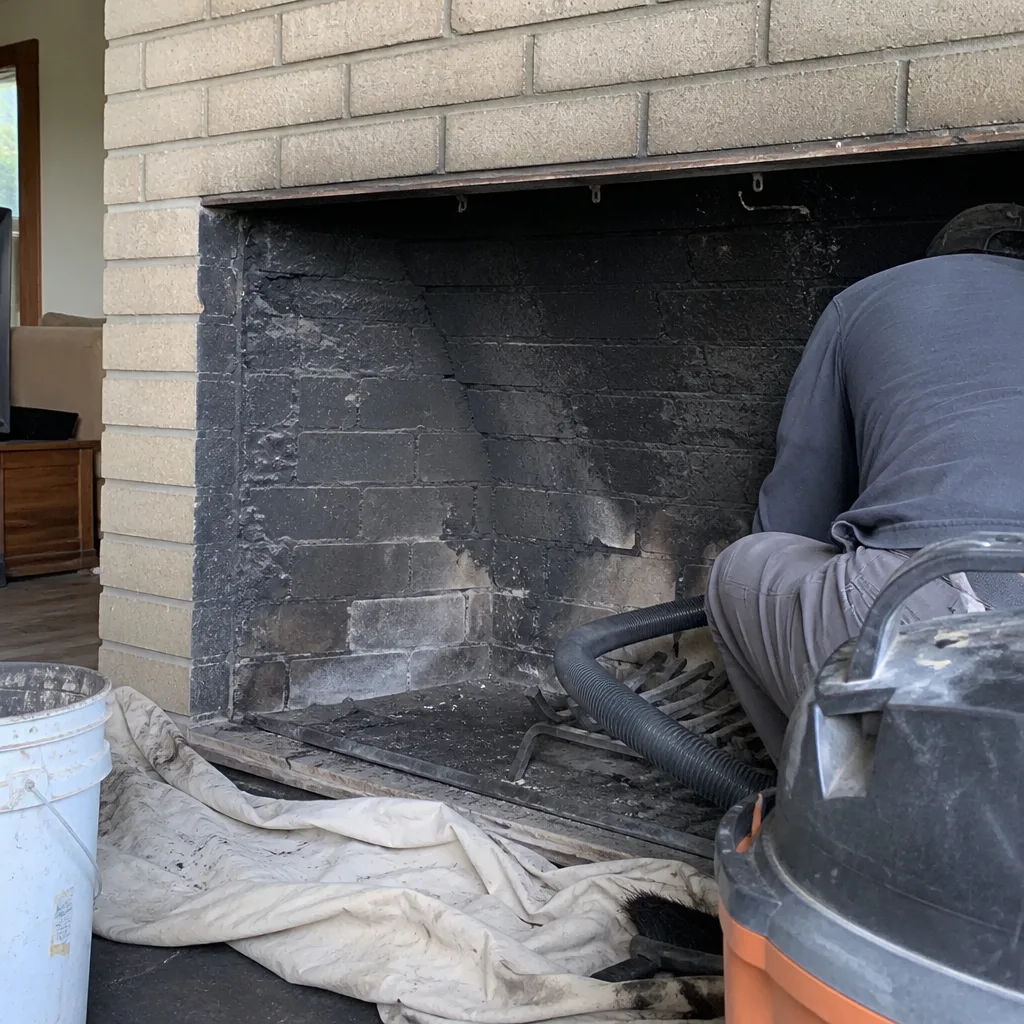 Before
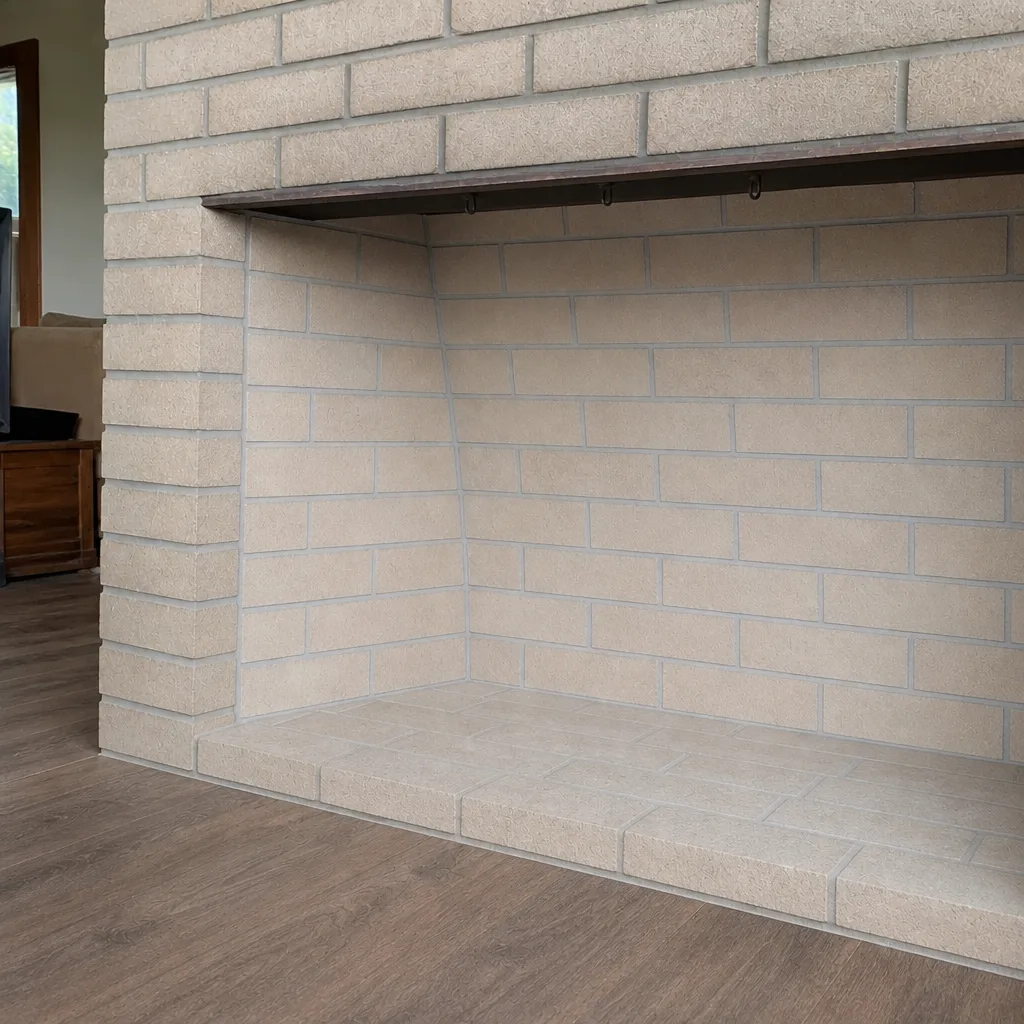 After
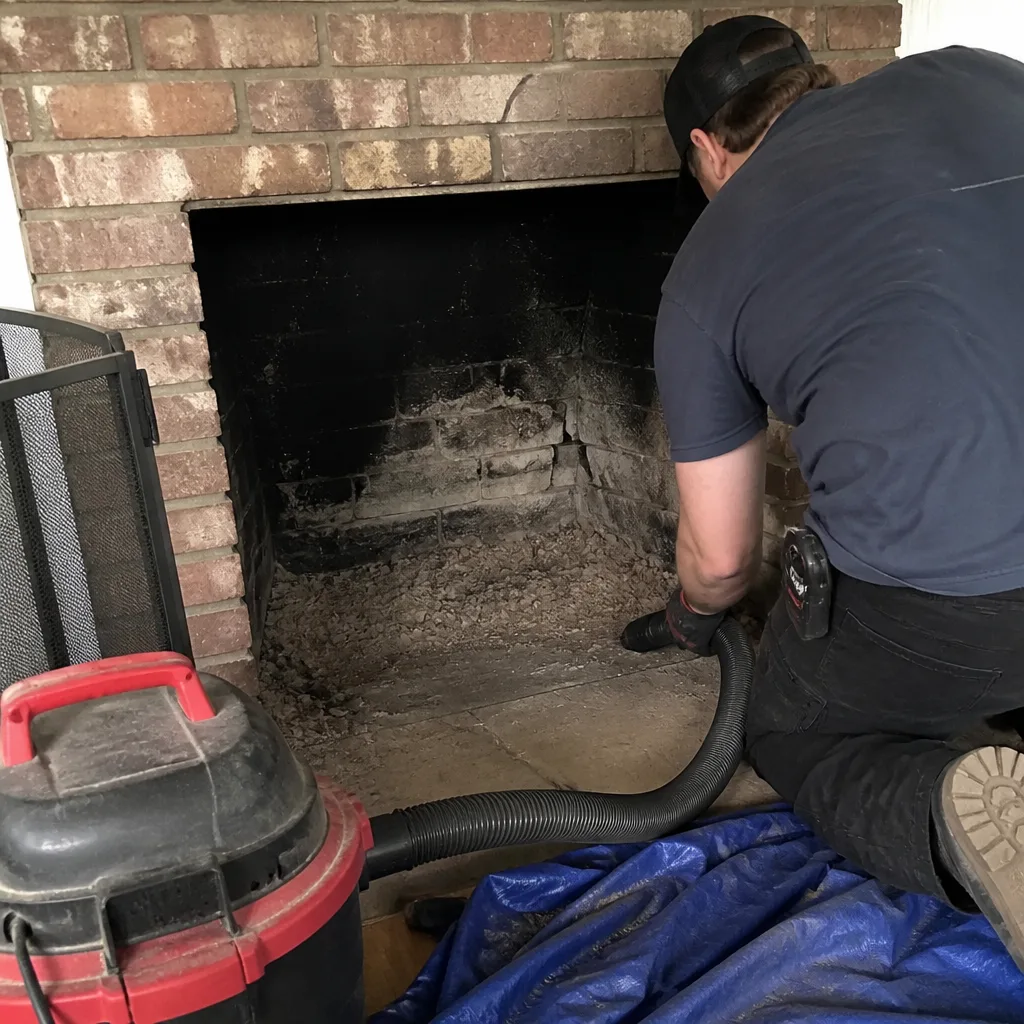 Before
 After
 Before
 After
When to Call a Professional
Call a professional if you’ve never had the chimney inspected, if it’s been more than a year since the last sweep, or if you’ve heard or felt anything unusual during a burn – a rumble, a pop, a sudden draft change. Call if you’re moving into a new home in Gresham and don’t know the chimney’s history. Call if you’ve had a chimney fire, even a small one you think you put out. Call if you smell smoke in the house when the fire is going, or if you see water staining near the firebox. These are the signs that a visual check isn’t enough and a camera inspection is warranted.
Gresham Chimney Sweep offers free estimates in Gresham. Call (833) 538-5519 for an exact quote, and you’ll get a written estimate for the work before anything starts.
Frequently Asked Questions
A standard chimney sweep in the Gresham area typically runs $150 to $300, and a sweep plus a Level II camera inspection typically falls in the $250 to $450 range. Heavy glaze that needs rotary cleaning can push the job higher. Call (833) 538-5519 for an exact quote – estimates are free, and the written estimate sets the final price.
You need a new liner if the camera shows cracks, joint separation, or a surface that can’t safely contain combustion gases. You don’t need one just because a sweep is on site. We don’t recommend liner work without photo evidence you can look at yourself, and we’ll tell you plainly when a liner can safely stay in service. If you want that answer, call (833) 538-5519.
Once a year is the right interval for most homes here that burn through the heating season. Gresham’s wet winters and the local preference for Douglas fir and alder mean deposits build faster than in drier parts of the state. If you burn a lot of fir or run a wood stove as primary heat, don’t stretch the interval. Call (833) 538-5519 to book before the season starts.
Glaze accumulates, the risk of a chimney fire rises, and a small problem – a cracked crown, a loose joint, a failing cap – gets a lot more expensive to fix. It won’t happen all at once, and that’s what makes it easy to push off. A sweep catches problems while they’re still small. Call (833) 538-5519 for a free estimate.
Yes, in a few specific ways. Our long wet season keeps firewood damper, which drives faster creosote formation, and the fir and alder burned here leave residue profiles that need the right removal method. A sweep who works in this climate learns to read those deposits. Call (833) 538-5519 to schedule a sweep in Gresham.
Yes. Any chimney or vent connected to a fireplace, gas insert, or wood stove can be cleaned and inspected. Gas inserts need less frequent cleaning than wood-burning appliances, but the venting still needs to be checked for blockages, corrosion, and proper termination. Call (833) 538-5519 for an estimate.
The Bottom Line
Chimney cleaning in Gresham is a safety service, and the local climate makes the annual interval matter more than it does in drier regions. Wet winters, damp firewood, and heavy fir burning all push creosote from stage 1 toward glaze faster than a generic national checklist assumes. A proper cleaning removes what’s actually there, a Level II inspection shows you what’s going on inside, and a report backed by photos lets you decide for yourself what needs attention now versus later. We handle sweep, inspection, and repair as one process, using professional-grade products from DuraFlex, HeatShield, Gelco, and the other lines the trade specifies, so a repair actually holds.
If you’re due, don’t guess at your chimney’s condition. Call Gresham Chimney Sweep at (833) 538-5519 for a free estimate. We answer 24/7. Fast dispatch from 7am to 7pm, Sunday through Friday. Our technicians have up to 14 years of experience, and one call covers sweep, inspection, and repair. For homeowners across Gresham, that means a known-clean flue before the first cold, wet burn of the season.
Written by the team at Gresham Chimney Sweep.